






Winter storms bring more than just a dusting of snow—they bring hazardous ice, slick sidewalks, and dangerous driving conditions. Whether you're a homeowner trying to clear your driveway or a facilities manager responsible for safe public access, having the right bagged salt for snow and ice control can make all the difference between a smooth winter and an accident-prone nightmare. But with a crowded market offering various salt products, how do you know which one works best for your needs?
In this comprehensive guide, we’ll explore the best types of bagged salt for snow and ice control, evaluate their pros and cons, compare temperature ranges and performance, and offer expert advice on selection, storage, and application.
Understanding the Role of Bagged Salt in Ice Management
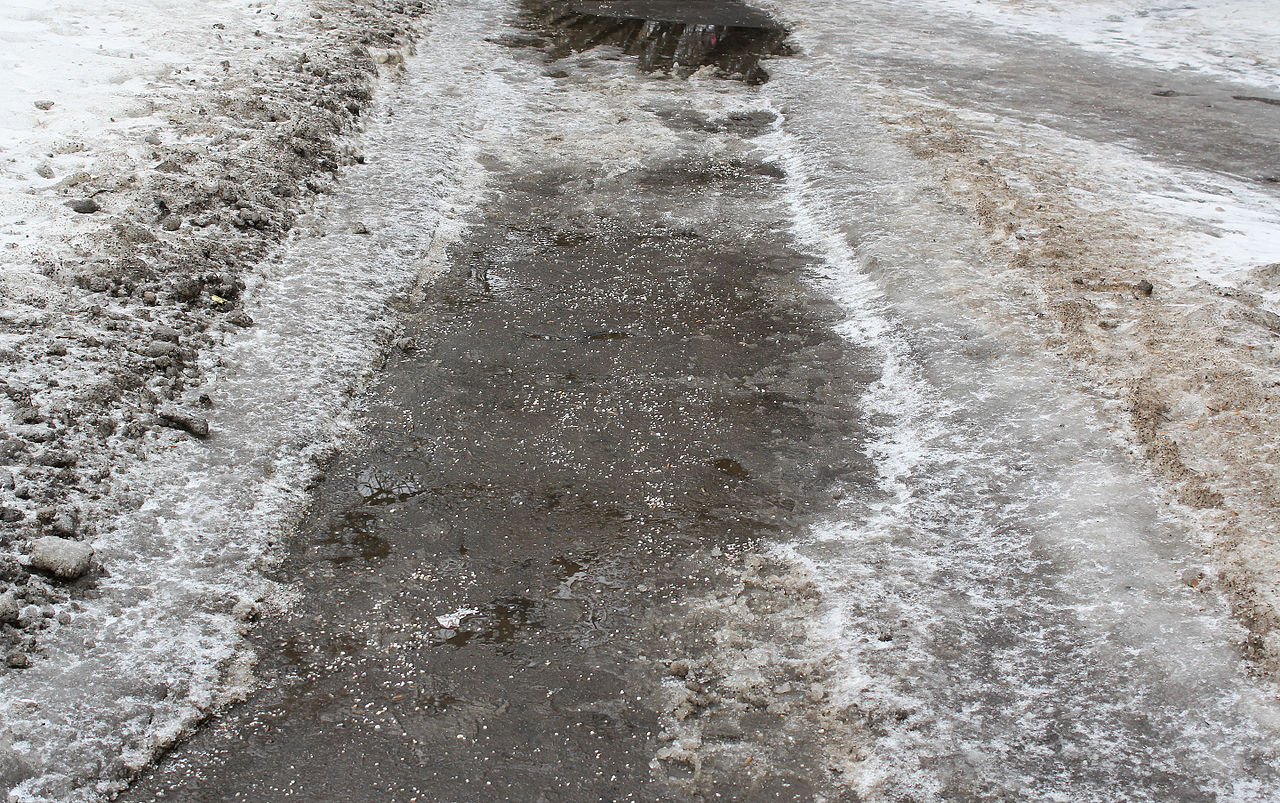
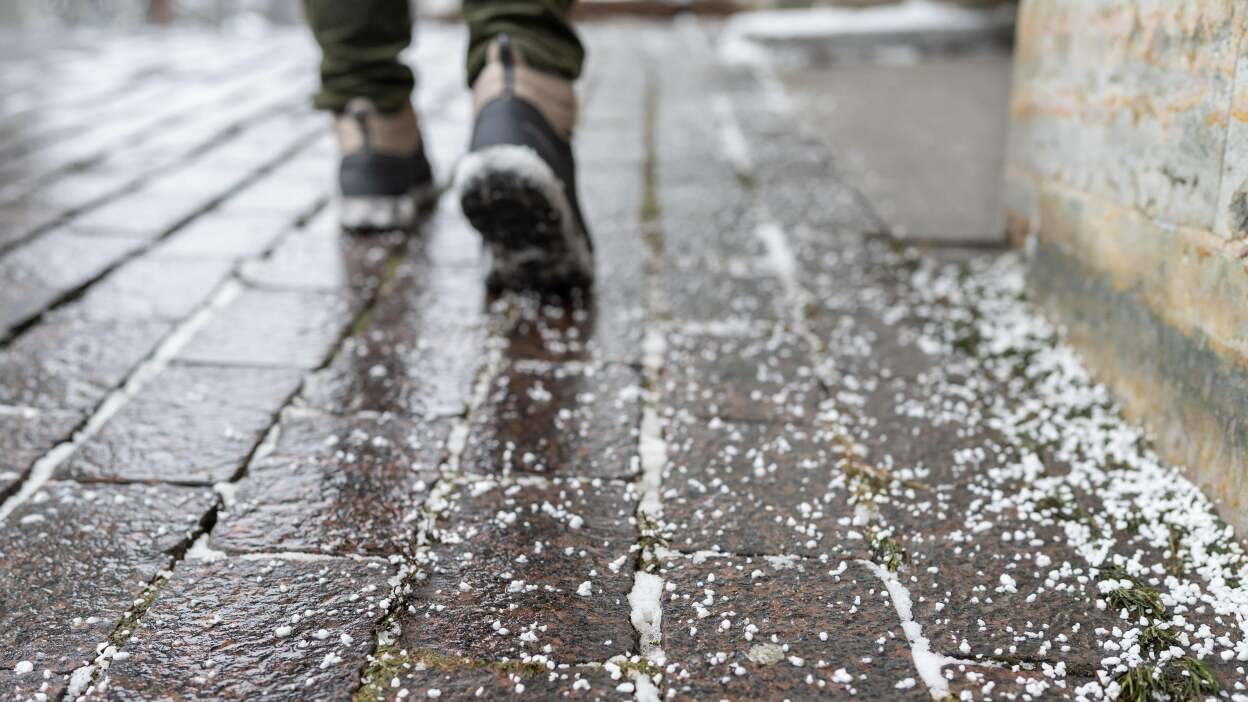
Bagged salt is more than just crushed crystals thrown onto the pavement. It acts chemically to melt ice and prevent it from forming again. Salt lowers the freezing point of water, a process known as freezing-point depression. When spread on snow or ice, it helps break the bond between the frozen surface and the pavement, allowing it to be easily shovelled or melted away by traffic or sunlight.
But not all salts are created equal. Different types of bagged salt vary in:
- Melting performance at different temperatures
- Speed of action
- Environmental impact
- Safety for pets and plants
- Corrosiveness to concrete and metals
Understanding these variables is crucial to selecting the most suitable solution for your specific needs.
Top Types of Bagged Salt for Snow and Ice Control
Let’s explore the most common types of de-icing salts and their performance.
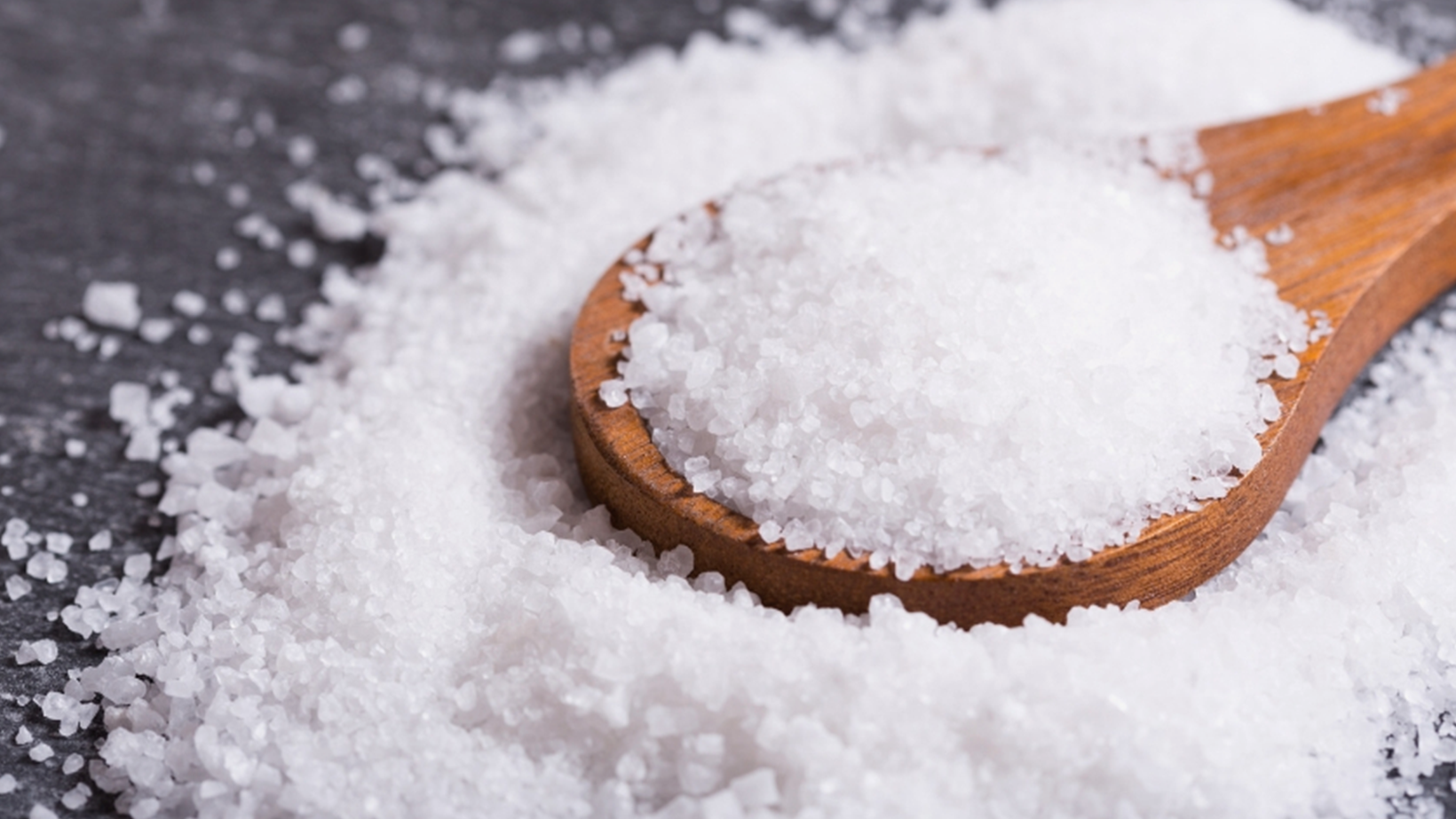
1. Rock Salt (Sodium Chloride)
- Effective Temperature: Down to 15°F (-9°C)
- Speed: Moderate
- Cost: Low
- Best For: Large areas like sidewalks, roads, and parking lots
Rock salt is the most traditional and widely used deicer. It's affordable and readily available in 40- or 50-lb bags. While effective in mild to moderately cold climates, its melting capability drops significantly below 15°F. It’s also corrosive to metal, harmful to some plants, and can damage concrete over time if used excessively.
Pros:
- Affordable and widely available
- Easy to apply
- Works fast in moderate cold
Cons:
- Less effective in extreme cold
- Harsh on vegetation and pets
- Corrosive to metal and concrete
2. Calcium Chloride
- Effective Temperature: Down to -25°F (-32°C)
- Speed: Very fast
- Cost: Higher
- Best For: Extreme cold, emergency ice removal
Extreme cold conditions make calcium chloride a powerful substance. It attracts moisture and generates heat as it dissolves, which allows it to melt ice faster and at lower temperatures than most other salts. It’s often found in round pellets or flakes, packaged in bags.
Pros:
- Works in extreme cold
- Acts fast—starts melting on contact
- Fewer products are required for results
Cons:
- More expensive
- Can be slippery if over-applied
- Still mildly corrosive
3. Magnesium Chloride
- Effective Temperature: Down to -13°F (-25°C)
- Speed: Fast
- Cost: Moderate
- Best For: Pet-safe and eco-sensitive applications
An eco-friendly and pet-safe substitute for calcium or sodium chloride is magnesium chloride. It’s less harsh on concrete, plants, and animal paws, and it leaves less residue. However, its melting power slightly lags behind calcium chloride in extreme conditions.
Pros:
- Pet- and plant-safe
- Less corrosive than rock salt
- Fast-acting and effective in cold temperatures
Cons:
- Pricier than rock salt
- May not be strong enough for severe ice buildup
4. Potassium Chloride
- Effective Temperature: Down to 20°F (-6°C)
- Speed: Moderate
- Cost: High
- Best For: Mild climates, safe for pets and soil
Potassium chloride is typically used for water softening, but it is also an eco-friendly option for de-icing in moderate temperatures. It's not very effective below 20°F, making it less suitable for harsh winters.
Pros:
- Low environmental impact
- Less toxic for animals and plants
Cons:
- Ineffective in extreme cold
- Higher price point
5. Blended Deicers
- Effective Temperature: Relies on blend (often -15°F to -25°F)
- Speed: Fast to moderate
- Cost: Moderate to high
- Best For: Balanced performance and safety
Blended deicers combine salts such as sodium chloride, calcium chloride, and magnesium chloride to offer multi-temperature performance and reduced corrosiveness. To show coverage, some even use color additives.
Pros:
- Versatile perform
- Reduced environmental damage
- Better melting range
Cons:
- May contain dye or residue
- Varies in quality by brand
Best Practices for Using Bagged Salt
Maximize your investment and protect your property with these tips:
- Apply before snowfall: This acts as an anti-icer, preventing snow from bonding to surfaces.
- Don’t overapply: More salt doesn’t always mean better results. Overuse can damage surfaces and plants.
- Use a spreader for even distribution and reduced waste.
- Sweep up excess: To prevent runoff into storm drains, remove any remaining salt after the snow melts.
- Store properly: Keep bags sealed and in a dry area to avoid clumping and loss of effectiveness.
Environmental and Pet Considerations
Bagged salt is effective but can be harmful to ecosystems and pets if misused. Chloride salts can leach into soil and groundwater, harming plants and aquatic life. For pet owners, salt crystals can irritate paws or cause health issues if ingested.
Solutions:
- Choose pet- and eco-safe blends
- Use less product in low-risk areas
- Protect plants with physical barriers or burlap covers
- Rinse pet's paws after walking in salted areas
Final Thoughts
The best bagged salt for snow and ice control depends on your specific needs, including temperature, surface type, environmental concerns, and budget. For general use, rock salt may suffice. For extreme cold or emergency response, calcium chloride is unbeatable. For families with pets or sensitive landscaping, magnesium chloride or blended eco-safe options are ideal.
No matter what product you choose, pairing the right salt with smart application methods ensures safer, more navigable surfaces all winter long. Don’t wait for the next snowfall—stock up now and stay ahead of the storm.
Sometimes, they can bring about destruction.
Anyway, let’s not discuss the extreme conditions.
You can have someone over to shovel the snow for you with the help of an app like Touchplow.
The snow clearance professionals will show up and get the work done for you.
Let’s find out about different types of snow removal equipment:
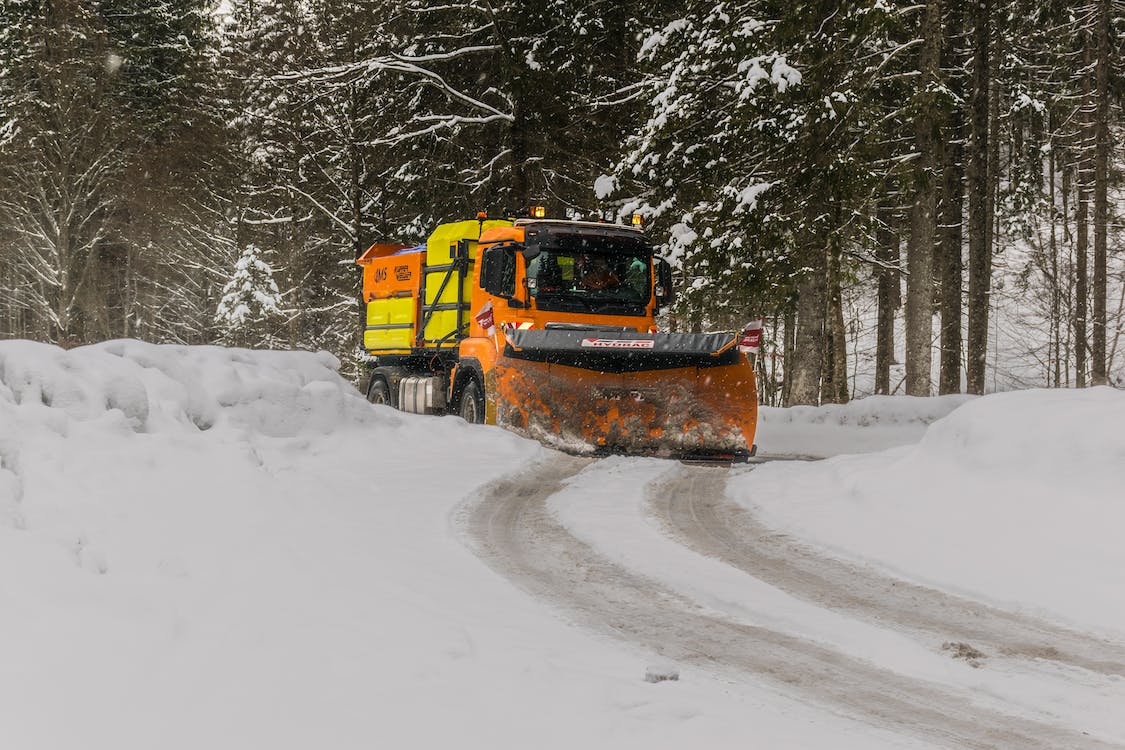
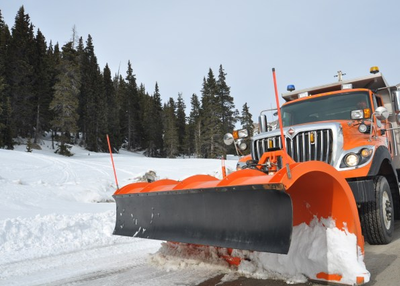
Snow Plow: It’s a device used for removing snow and ice mounted on vehicles serving transportation needs.
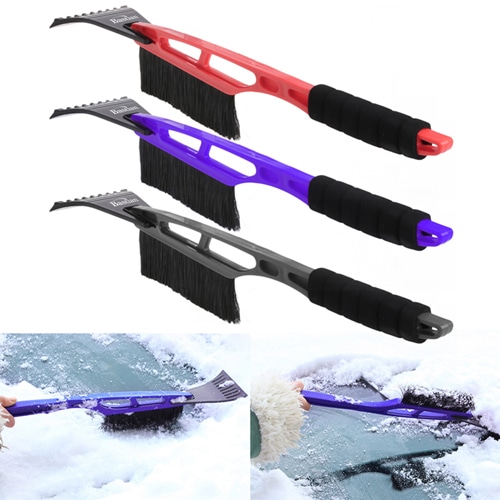
Promotional ice scrapers have the ability to quickly remove ice and frost from a car’s windows.
It is comfortable to hold in the hands and can be conveniently in the backseat of a car so that you can utilize this product at the needed time.