


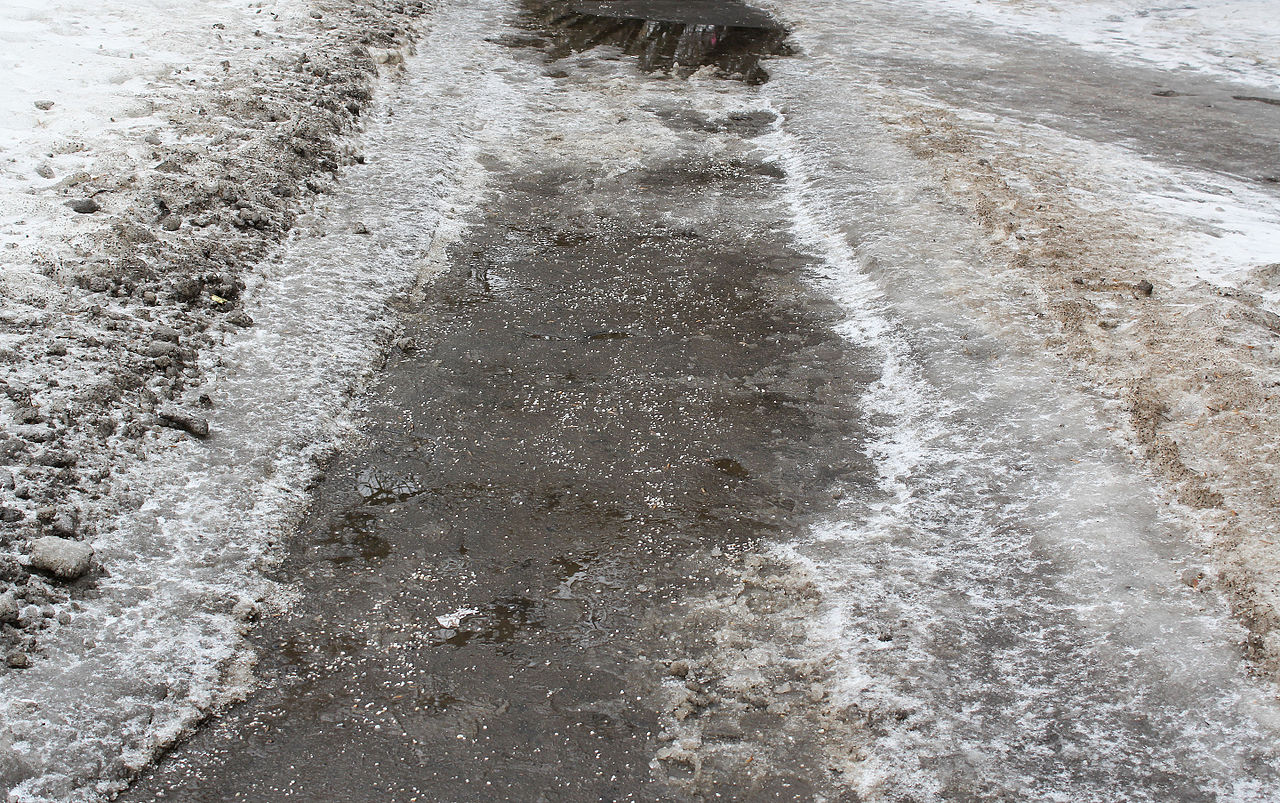
Bagged salt, particularly when used for deicing roads, sidewalks, and driveways during the winter months, plays a vital role in public safety. It helps prevent accidents by reducing slippery surfaces caused by ice and snow. However, while the benefits regarding human safety and convenience are clear, the environmental impact of bagged salt is a topic that deserves equal attention. From its production and packaging to its widespread application and runoff into natural ecosystems, the use of bagged salt can pose serious environmental risks if not managed responsibly.
Understanding What's Inside Bagged Salt
Bagged salt generally contains sodium chloride (NaCl), but some variants include magnesium chloride, calcium chloride, or potassium chloride—each formulated for specific conditions and temperatures. While all these compounds effectively melt ice, their interactions with the environment are a growing concern.
Treated salts, often pre-wetted with brine or additives to reduce bounce and improve adhesion, may contain anti-caking agents, dyes, or corrosion inhibitors. Though small in quantity, these additives further complicate the environmental footprint of deicing products.
The Lifecycle of Bagged Salt: From Mine to Pavement
To assess the environmental impact, we must consider the entire lifecycle of bagged salt.
1. Extraction and Production
The majority of road salt comes from underground salt deposits or is produced by evaporating seawater or brine. Large-scale salt mining can disrupt local ecosystems and use a lot of energy. Particulate matter inhalation from salt dust can be hazardous to mine workers and nearby communities. The energy used in mining and refining processes also influences greenhouse gas emissions.
2. Packaging and Transportation
The "bagged" aspect adds to the environmental burden. Plastic bags are typically made from polyethylene, a petroleum-based material. These single-use plastic bags are rarely recyclable due to contamination with salt, and most end up in landfills. Moreover, transporting salt in smaller, pre-packaged quantities results in higher fuel use per pound of product compared to bulk deliveries, increasing carbon emissions.
How Bagged Salt Affects the Environment After Use
When salt bags are thrown on surfaces and snow starts to melt, the salt dissolves and finds its way into stormwater systems, where it finds its way into nearby lakes, rivers, and soils. Here are the main repercussions:
1. Waterway Contamination
Chloride ions are highly soluble and persistent. Unlike some pollutants, they do not degrade over time and accumulate in water bodies. Elevated chloride levels can disrupt aquatic ecosystems by altering the density and flow of water, inhibiting fish reproduction, and harming freshwater organisms such as frogs, macroinvertebrates, and even plankton. Just 230 mg/L of chloride is enough to impact some aquatic species negatively, yet some urban streams show levels over 1,000 mg/L during winter months.
2. Soil Degradation
Excessive salt alters the chemical composition of soils. Sodium ions decrease soil fertility by dislodging vital nutrients like calcium and magnesium. The salt also affects the structure of clay particles, leading to poor drainage and compaction. These changes hinder plant growth and may lead to erosion over time.
3. Vegetation Damage
Plants near salted sidewalks and roads often show signs of salt stress: browning leaves, stunted growth, and, in severe cases, plant death. Vehicles passing by can sprinkle salt up to several meters from the road. In urban areas, this leads to the loss of greenery and reduces plants' aesthetic and ecological benefits.
4. Infrastructure Corrosion
Salt is corrosive—not just to vehicles but also to bridges, sidewalks, concrete rebar, and building foundations. While this doesn't directly affect ecosystems, the deterioration of infrastructure due to salt use requires frequent repair, which further consumes resources and increases carbon emissions.
The Plastic Problem: Bagged Salt Packaging Waste
Plastic packaging significantly contributes to the environmental impact of bagged salt. These bags are typically made from LDPE (low-density polyethylene), a durable and resistant to moisture plastic ideal for keeping salt dry but detrimental to waste streams. When discarded improperly, plastic salt bags may end up in waterways or natural habitats, contributing to the growing problem of plastic pollution.
In addition, the salty residue left inside these bags often prevents them from being processed by municipal recycling programs. Even when collected properly, they often head straight to landfills, where they can take hundreds of years to degrade.
Sustainable Alternatives and Solutions
Understanding the environmental risks doesn't mean we need to stop using deicing salt altogether, but we need to do it smarter. Here are some sustainable alternatives and mitigation strategies:
1. Use Less Salt with Smart Application
Modern application tools, such as calibrated spreaders and pre-wetted salt, help ensure even coverage and reduce overuse. Applying salt just where and when needed can benefit homeowners and municipalities.
2. Switch to Eco-Friendly Ice Melts
Some ice melt products now use beet juice, sugar brine, or calcium magnesium acetate (CMA), which are more biodegradable and less harmful to vegetation and waterways. While these options may be more expensive upfront, their long-term environmental savings are substantial.
3. Choose Bulk Salt over Bagged Salt
Bulk salt generates significantly less packaging waste. When possible, especially for large-scale users such as commercial snow contractors or municipalities, bulk deliveries can reduce both plastic use and transportation emissions.
4. Recycle or Reuse Plastic Bags
While many curbside recycling programs won't accept salt-contaminated bags, some specialty recycling programs or local collection centers will. Alternatively, repurposing bags for other uses on-site (e.g., temporary sandbags, debris collection) can keep them out of landfills longer.
Final Thoughts
Bagged salt may be convenient, accessible, and effective for winter safety, but its environmental footprint is significant. From mining and packaging to application and runoff, each stage of its lifecycle potentially harms ecosystems, infrastructure, and water quality. Fortunately, growing awareness of these impacts prompts change—both in policy and consumer behavior. As more people adopt eco-conscious winter maintenance practices and seek out alternatives, we move closer to a more sustainable way of managing ice and snow. The challenge lies not in eliminating bagged salt altogether but in using it more responsibly, efficiently, and with the environment in mind.

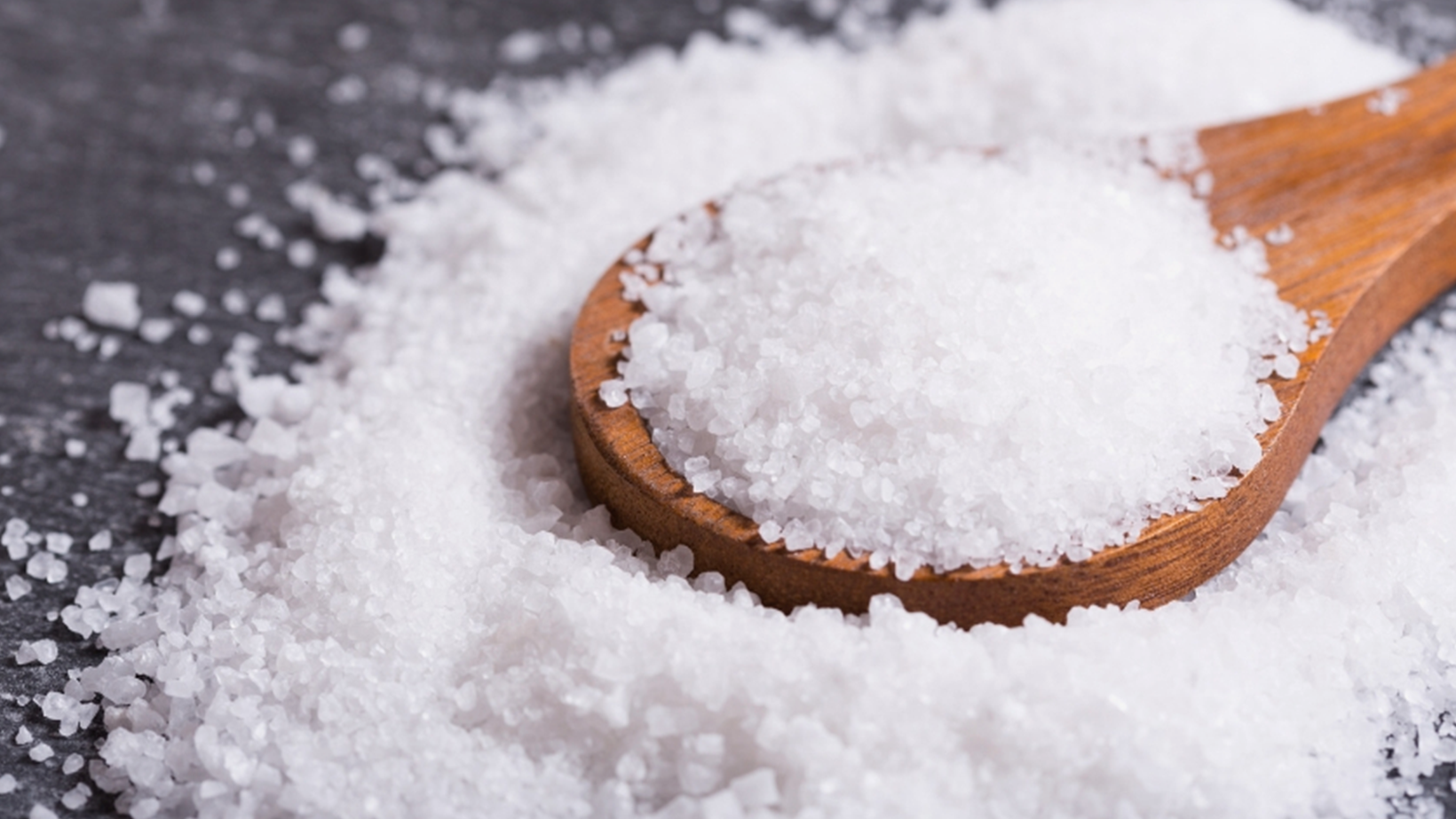


We are an industry leader in providing the highest quality of Himalayan salt products.
While considering benefits of Himalayan salt as a treatment option for our customers with respiratory and skin diseases, we are proud to introduce a variety of Himalayan salt products ranging from Salt Lamps, SaltCure, Salt Cooking Plates, Salt Blocks, customized wall design systems and the building construction expertise of salt rooms.
All these products are shipped direct from our factory in Pakistan and made available locally, via our warehouse in California, USA.