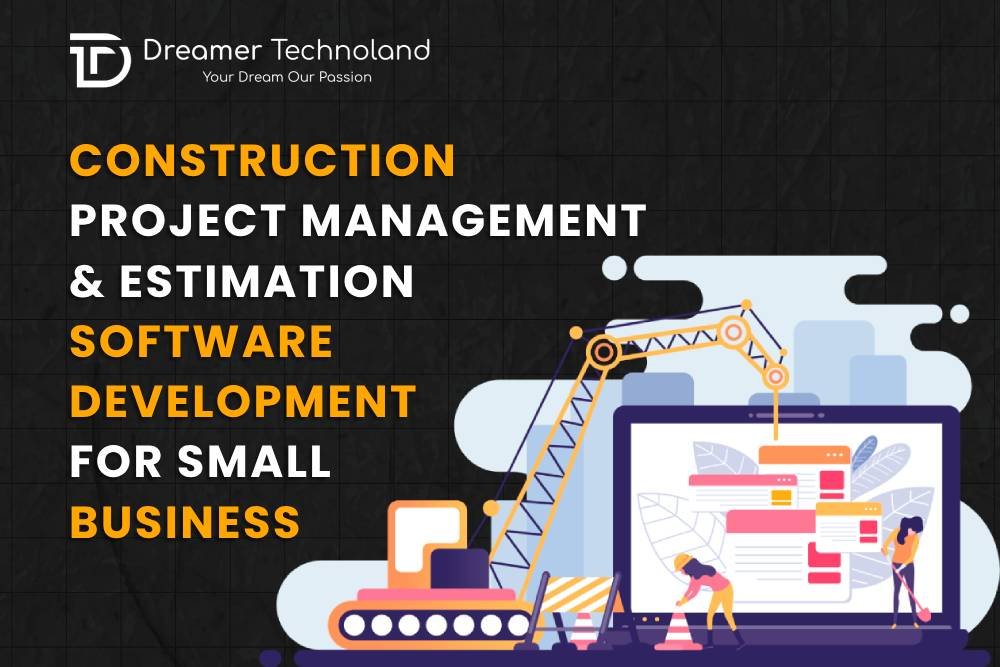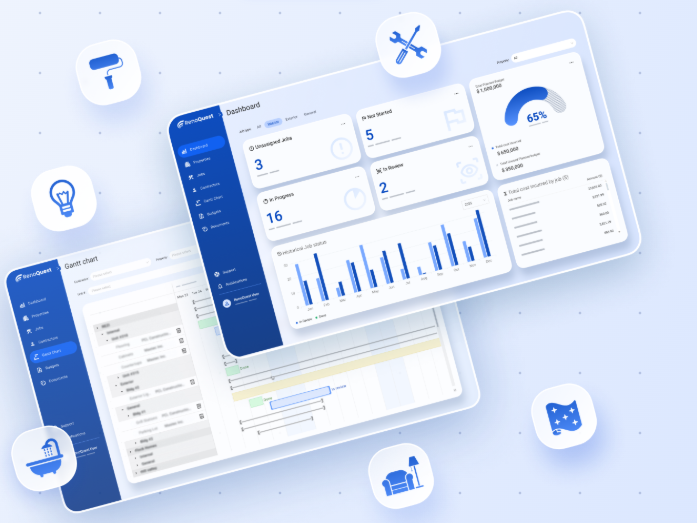
In the ever-evolving construction industry, efficiency, collaboration, and data-driven decision-making are critical to project success. From small residential builds to large-scale commercial developments, managing resources, timelines, budgets, and communication can be overwhelming without the right tools. This is where Construction Project Management Software comes in—offering integrated solutions to streamline operations, reduce risks, and enhance productivity.
However, with a multitude of platforms available in the market, selecting the right one for your business can be challenging. This comprehensive step-by-step guide will walk you through the essential considerations and stages of choosing the best construction project management software for your organization.
Step 1: Identify Your Business Needs and Pain Points
Before evaluating software options, it’s crucial to understand what you’re trying to solve. Gather input from various stakeholders including project managers, site supervisors, architects, engineers, and financial controllers to identify the primary challenges faced in your current project management workflow.
Common pain points may include:
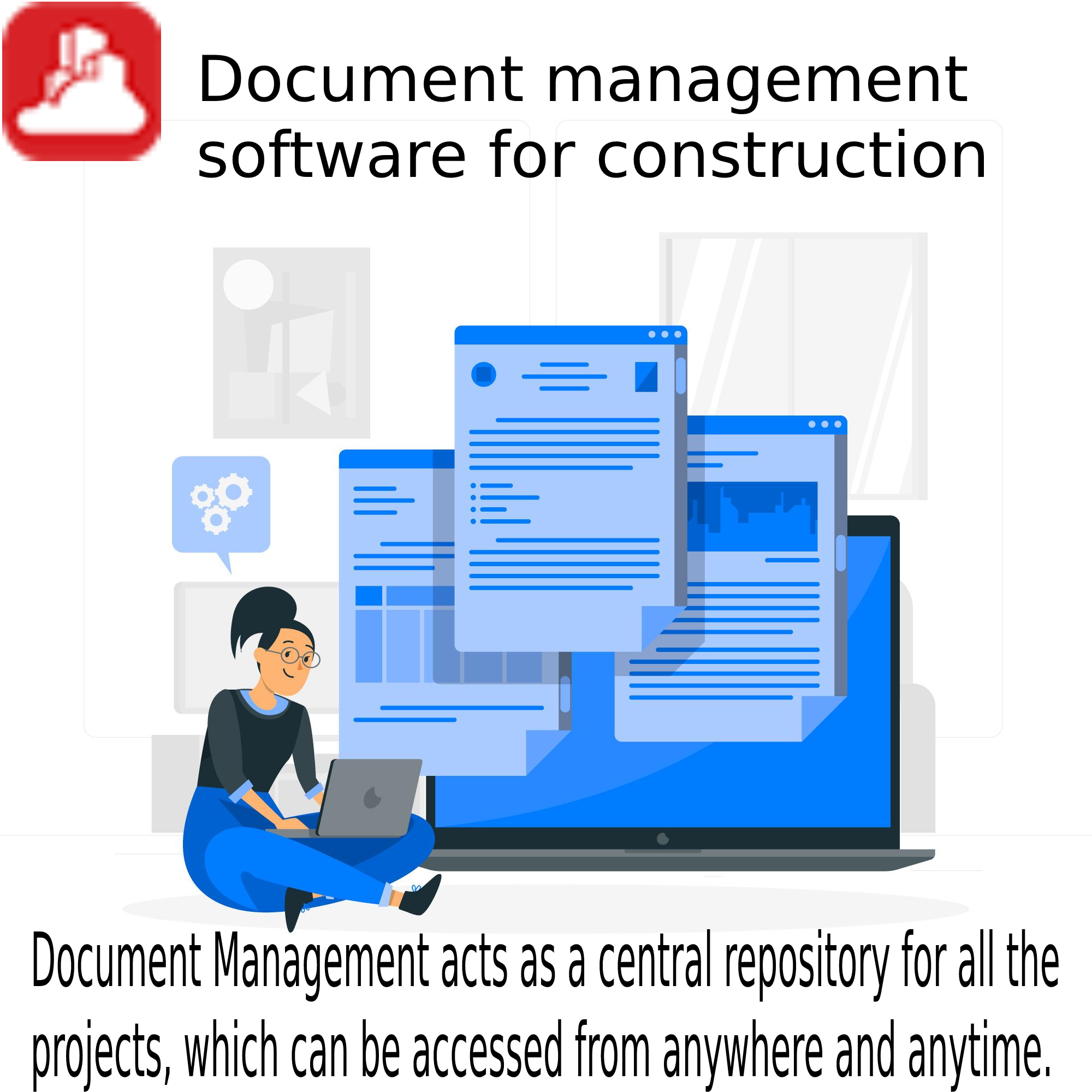
Document these challenges and translate them into a list of desired features and outcomes. For example, if document control is a frequent issue, look for software with robust file-sharing and version control capabilities.
Step 2: Define Your Budget
Construction businesses operate with varying margins, and software investments must be financially feasible. The cost of Construction Project Management Software varies significantly depending on its features, user capacity, and licensing model (subscription-based, one-time fee, tiered pricing, etc.).
Consider both short-term and long-term costs:
Avoid underestimating costs related to scaling. A platform may seem affordable now but could become costly if your business grows rapidly or if you need additional modules in the future.
Step 3: Determine Key Features Required
Once you’ve defined your needs and budget, outline a list of must-have and nice-to-have features. This helps in filtering software options quickly and ensures the final selection aligns with your operational requirements.
Must-Have Features
Nice-to-Have Features
Prioritize the features that have the most significant impact on project outcomes and align with your strategic goals.
Step 4: Research Available Solutions
With your checklist in hand, begin researching platforms that cater specifically to construction management. Look for software providers that specialize in the construction industry, as they often tailor their features to meet the unique demands of this sector.
Start with:
Create a shortlist of 3–5 platforms that align with your criteria.
Step 5: Evaluate User Experience and Interface
Even the most feature-rich software can fail if it’s not user-friendly. Ease of use significantly impacts adoption rates among your team, particularly if your workforce includes non-technical users.
During software trials or demos, assess:
Choose a platform that your team can learn quickly and feel comfortable using on a daily basis. Some vendors offer trial periods—make use of them to get hands-on experience.
Step 6: Review Integration Capabilities
No software should operate in a silo. Modern Construction Project Management Software should integrate seamlessly with your existing tools such as:
Integration ensures data consistency, reduces double entry, and provides a unified view of project health.
Check with vendors whether their solution offers APIs or pre-built connectors for easy integration.
Step 7: Assess Mobile Capabilities
Construction projects often span multiple locations, and a large portion of your team works on the field. Therefore, mobile capabilities are no longer optional—they’re a necessity.
Key mobile features to look for include:
A solid mobile app can significantly improve site-to-office collaboration and ensure timely issue resolution.
Step 8: Evaluate Vendor Support and Training
Effective onboarding and responsive support are critical, especially during the initial rollout phase. Investigate what kind of customer support and training each vendor offers.
Questions to consider:
Read online reviews and testimonials to gauge the real-world customer experience.
Step 9: Consider Scalability and Customization
Your business may evolve, and your software should grow with it. A good Construction Project Management Software platform will offer:
Also, consider if the software can handle an increasing number of users or projects without performance degradation.
Step 10: Test with a Pilot Project
Before rolling the software out across your organization, run a pilot project involving key users. This allows you to:
Use this phase to refine your implementation strategy and ensure alignment with your project management processes.
Step 11: Make a Decision and Plan for Implementation
Once the pilot is successful and stakeholders are satisfied, finalize your decision. Communicate clearly with your team about the transition, providing ample training and support throughout the process.
Your implementation plan should include:
Remember, software implementation is not a one-time event—it’s an ongoing process that should be reviewed periodically to ensure optimal use.
Step 12: Monitor and Optimize Usage
Post-implementation, it’s essential to monitor how the software is being used and whether it’s delivering the desired outcomes. Gather feedback regularly, track KPIs, and assess return on investment.
Optimize usage by:
This iterative approach ensures long-term success and maximizes the value of your investment.
Final Thoughts
Choosing the right Construction Project Management Software is a critical decision that can dramatically impact the efficiency, profitability, and success of your construction projects. By taking a structured, step-by-step approach—from identifying your needs to testing and optimizing usage—you can select a solution that not only meets today’s challenges but also sets the foundation for future growth.
Don’t rush the process. Involve your team, do your research, and focus on long-term value rather than short-term gains. The right software is more than just a tool—it’s a partner in building better projects, stronger teams, and a more resilient construction business.