

Ever had a cough that knocked the life out of you, but someone brushed it off, saying, “It’s just pneumonia”? Not all pneumonia is created equal, and that’s where things get tricky. Knowing whether it’s viral or bacterial can be a game-changer for treatment, recovery, and peace of mind. Let’s break it down the easy way.
What is pneumonia in simple terms?
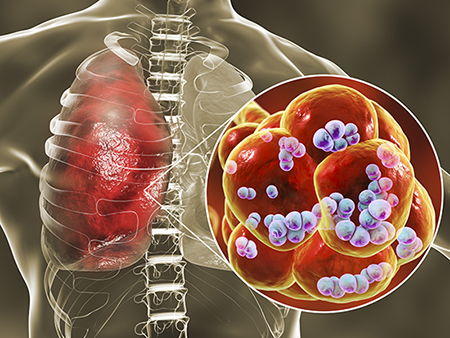
Pneumonia is an infection that inflames the air sacs in your lungs. These sacs may fill with fluid or pus, causing symptoms such as coughing, fever, chills, and breathing difficulties. It’s not a cold gone wrong—it’s much more intense and needs attention. Anyone can get it, but it's more dangerous for infants, older adults, and people with weak immune systems.
How can you tell if pneumonia is viral or bacterial?
The symptoms often overlap, but the cause and treatment vary a lot. Viral pneumonia usually develops slowly. You might start with flu-like symptoms, including fever, dry cough, fatigue, and sore throat. It feels like a bad virus getting worse.
Bacterial pneumonia, on the other hand, strikes more severely and rapidly. Think sudden high fever, chills, a cough with green or yellow mucus, chest pain, and shortness of breath. It can sneak up after a cold or flu, but not always.
Which type of pneumonia is more serious?
It depends on the person. Bacterial pneumonia is often more severe and needs antibiotics. If ignored, it may lead to serious complications like lung abscess or even sepsis. Viral pneumonia can still be dangerous, especially in individuals with weakened immunity, but it often resolves on its own with rest and adequate hydration.
What causes viral and bacterial pneumonia?
Viral pneumonia is most often caused by influenza (flu), respiratory syncytial virus (RSV), or coronavirus. It's contagious and spreads easily, especially in winter. Bacterial pneumonia is caused by bacteria, such as Streptococcus pneumoniae, and less commonly by others, including Mycoplasma and Legionella. It can also spread from person to person, but not as rapidly as a virus.
Can pneumonia be treated at home?
Mild viral pneumonia can be managed at home. You’ll need rest, hydration, and fever reducers. Bacterial pneumonia often requires antibiotics and medical guidance. If breathing becomes difficult or your fever spikes, it’s time to head to a hospital.
Do antibiotics work for both types?
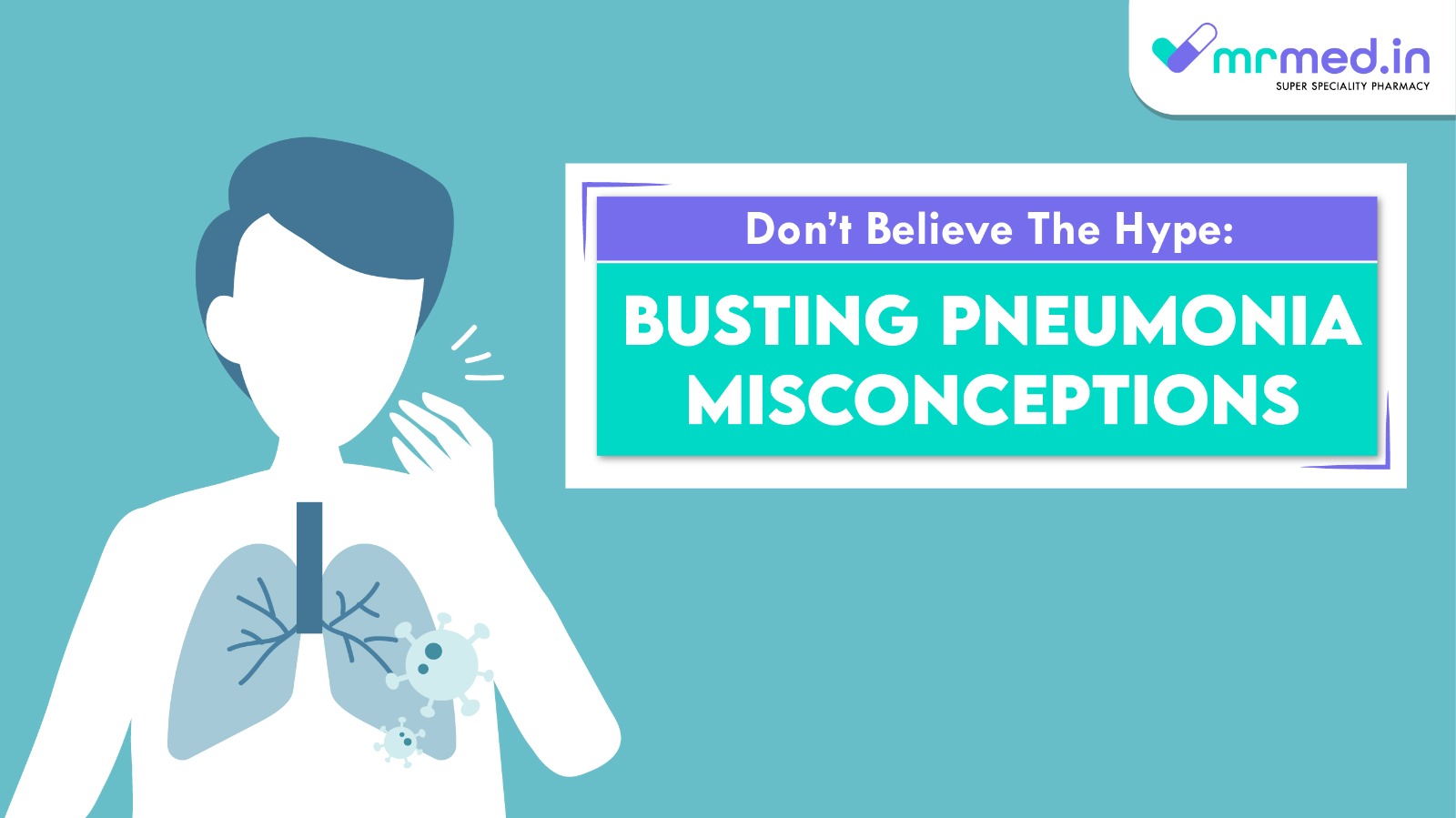
No. Antibiotics fight bacteria, not viruses. So if it's viral pneumonia, antibiotics won’t help. Using them unnecessarily can cause resistance. That’s why doctors often recommend tests to figure out the exact cause before starting treatment.
How is pneumonia diagnosed by doctors?
Doctors typically begin with a physical examination. If pneumonia is suspected, they might order a chest X-ray or blood test. Sometimes they’ll take a sputum sample to check for bacteria. Based on the findings, they'll decide if it’s viral or bacterial and choose treatment accordingly.
Can you get both types at once?
Yes, and it's more common than you'd think. A viral infection can weaken your lungs, making it easier for bacteria to sneak in. This is known as secondary bacterial pneumonia, and it’s tougher to treat. So don’t ignore prolonged or worsening symptoms.
How can you prevent pneumonia?
Prevention is better than cure, and in pneumonia’s case, way better. Here’s how:
- Get vaccinated for flu, pneumococcus, and COVID-19.
- Wash hands often.
- Don’t smoke; it damages lung defences.
- Boost your immunity with a healthy diet and regular sleep.
- Avoid close contact with people who are sick whenever possible.
When should I worry about pneumonia symptoms?
If you have chest pain while breathing, high fever, confusion (especially in older adults), or trouble catching your breath, seek medical help immediately. These are warning signs that your body needs help fast.
Is it contagious?
Yes, but mainly the viral kind. It spreads through coughs, sneezes, or touching infected surfaces. Bacterial pneumonia can also spread, but it’s less contagious. Always cover your mouth while coughing and keep your hands clean.
How long does it take to recover from pneumonia?
Recovery depends on your age, overall health, and the type of pneumonia you have. Viral pneumonia typically develops within 1–3 weeks. Bacterial pneumonia typically improves within 1–2 weeks with antibiotics, although fatigue may persist for several weeks longer. Some people feel tired for months afterwards. Early detection and proper treatment are the keys. Medications like Xavitaz 2.5 gm Injection, which contains Ceftazidime and Avibactam, are reserved for resistant bacterial strains in severe hospital cases. However, with prevention and care, hopefully, you won’t need that route.
Is pneumonia common in India?
Yes, and sadly, it’s one of the leading causes of death in children under five. Crowded cities, poor air quality, and limited access to vaccines all contribute to the issue. However, awareness and preventive care are improving fast.
One last thing to keep in mind
Whether viral or bacterial, pneumonia is not something to be taken lightly; getting the right diagnosis is crucial. Left untreated, it can lead to long-term lung damage or worse. If symptoms persist or worsen, don’t play the guessing game; consult a doctor immediately.
Stay alert. Breathe easy. And take that cough seriously.