


Braces are a common orthodontic treatment used to straighten teeth, correct bite issues, and improve overall oral health. But one of the most frequently asked questions before beginning treatment is, how much are braces? In Australia, the cost of braces can vary significantly based on a range of factors. Understanding these variables can help you plan better financially and make more informed decisions about your oral health. Below, we explore the seven key factors that impact the final cost of braces.
1. Type of Braces Chosen
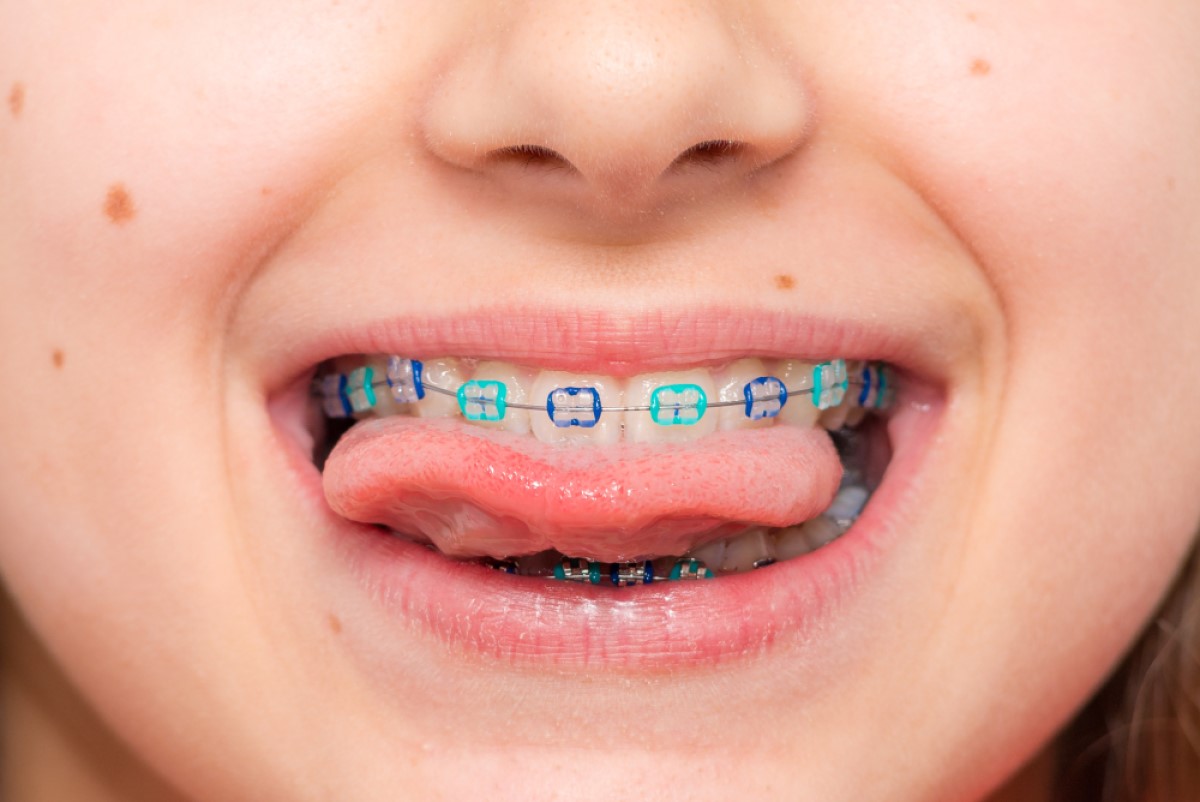
The type of braces you choose has one of the most significant impacts on cost. Traditional metal braces are generally the most affordable option, while alternatives such as ceramic braces, lingual braces (placed behind the teeth), and clear aligners like Invisalign tend to cost more.
Metal Braces: $4,500 to $8,000
Ceramic Braces: $5,000 to $8,500
Lingual Braces: $7,500 to $12,000
Clear Aligners (e.g., Invisalign): $6,000 to $9,000
The more discreet and complex the appliance, the higher the price tends to be.
2. Complexity of the Case
Not all orthodontic cases are created equal. If your treatment involves minor spacing or alignment issues, the cost will likely be lower. However, more severe cases—such as those involving overbites, underbites, or jaw misalignment—often require longer treatment times, more adjustments, and potentially additional appliances, all of which increase the final cost. In general, the more complex your case, the more appointments and professional input are needed, adding to your bill.
3. Duration of Treatment
Another critical factor that determines how much does braces cost is the duration of your treatment. Most patients wear braces for 12 to 24 months, but some may need them for a shorter or longer period depending on the desired results and complexity of their case. Longer treatments naturally require more visits to the orthodontist, more materials, and more professional time, which adds to the overall expense.
4. Location of the Clinic
Your geographical location can significantly affect how much you’ll pay. For example, orthodontic clinics in major cities like Sydney, Melbourne, or Brisbane often charge more than those in rural or regional areas. This is due to higher operational costs and demand in urban centres. Additionally, the cost of living in a particular area may also influence the fees charged by orthodontists.
5. Experience and Qualifications of the Orthodontist
As with many healthcare services, the experience and qualifications of the practitioner can affect cost. Orthodontists who are highly experienced, specialised, or have a strong reputation may charge more for their services. While it might be tempting to go for a cheaper option, remember that orthodontic treatment is a significant investment in your long-term dental health. Choosing a reputable and qualified orthodontist can help ensure the best possible outcome.
6. Additional Treatments or Appliances
Sometimes braces alone aren’t enough. You might need extra treatments such as tooth extractions, palate expanders, or retainers—before, during, or after the main orthodontic treatment. These extras come at an additional cost. Make sure to ask your orthodontist for a comprehensive treatment plan at the outset so you’re aware of any supplementary procedures that could impact your final bill.
7. Health Insurance and Payment Plans
In Australia, private health insurance may cover part of the cost of orthodontic treatment, especially if you have extras cover that includes orthodontics. However, the level of coverage can vary widely between providers and policies. Additionally, many clinics offer interest-free payment plans, which can make managing the cost more affordable. Always check with your insurance provider and the orthodontist’s office to explore all available options for reducing your out-of-pocket expenses.
So, How Much Are Braces in Australia?
To summarise, how much does braces cost in Australia depends on numerous factors, including the type of braces, complexity of your case, treatment duration, and your location. On average, most Australians can expect to pay between $4,500 and $9,000 for a complete course of orthodontic treatment with traditional braces. More advanced options like lingual braces may cost upwards of $12,000.
In summary, getting braces is a significant step toward achieving a healthy and confident smile, but it's also a financial commitment. The final cost can vary widely depending on a number of factors, from the type of braces chosen to the complexity of the treatment. When asking yourself, "how much are braces?" it’s essential to consider not only the upfront cost but also the long-term benefits of a properly aligned smile. Be sure to consult with a qualified orthodontist to get a tailored quote and explore your payment and insurance options. With the right planning and professional guidance, braces can be a smart and rewarding investment in your dental health and self-confidence.


Are you interesting in knowing more about how much shredding costs when it is done onsite?
Visit here to learn more about our services and the costs involved.how much does shredding cost