In India’s growing maritime sector, safety at sea is not just about having advanced equipment—it’s about using it correctly. One such safety-critical device on ships is the sound reception system. Often overlooked, it becomes a lifesaver in foggy, rainy, or low-visibility conditions.
But here’s the catch—having the system installed is not enough. The ship’s crew must be properly trained to use the sound reception system in ship operations, especially when quick decisions can make the difference between smooth sailing and serious collision.
Let’s walk through why crew training on this system is so essential, what it involves, and how Indian shipping can benefit from it.
1. Why is Crew Training on Sound Reception Systems Important?
In simple terms, a sound reception system allows the officers inside the ship’s enclosed bridge to hear external sound signals—like a foghorn from another ship or bell signals from buoys.
Imagine you're sailing through thick fog on the Mumbai–Kandla route. Visibility is near zero. The only clue of another ship nearby might come from a sound—and if your crew doesn’t hear it or react properly, it can lead to accidents.
Training ensures that:
- The crew recognises sound patterns correctly
- They respond quickly and log alerts
- They use the system confidently under pressure
According to IMO safety studies, over 20% of marine collisions occur due to miscommunication or missed sound signals, especially during poor visibility.
2. Understanding the Sound Reception System in Ship
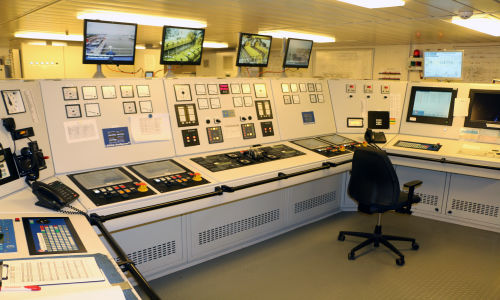
Before training begins, the crew needs to understand how the system works. A basic sound reception system in ship includes:
- Microphones placed outside the bridge
- Amplifiers and signal filters
- Speakers or headphones inside the bridge
Sometimes a directional indicator for source location
There are wired and wireless systems, and both have slightly different controls and response times. Training needs to be specific to the type installed onboard.
3. Objectives of Crew Training
The main aim is to make the crew:
- Identify various types of sound signals from ships, buoys, and other sources
- Use the system correctly in real-life conditions (not just during drills)
- Understand limitations of the system (e.g., background noise, interference)
- Report and log audio alerts as part of navigational protocols
On Indian vessels, especially in crowded shipping zones like Gulf of Khambhat or Sundarbans, such skillsets are vital.
4. DG Shipping and IMO Guidelines on Crew Competence
The International Maritime Organization (IMO) under SOLAS Regulation II-1/22 mandates that sound reception systems must be installed on ships with enclosed bridges. But more than that, the STCW Code (Standards of Training, Certification, and Watchkeeping) also requires navigational officers to be competent in bridge equipment.
- In India, the Directorate General of Shipping (DG Shipping) ensures that:
- SR system use is included in watchkeeping and navigation training
- Competency exams include signal recognition and response actions
- Indian Maritime University (IMU) and affiliated institutes include it in curriculum
5. Key Modules in SR System Training
A good training session should include these core modules:
- Introduction to system hardware – microphones, speakers, control units
- Sound signal recognition – foghorns, bells, whistles
- System operation during poor visibility
- Response coordination – combining radar, AIS, and SR system input
- Emergency actions – what to do when a signal is received suddenly
- System testing and troubleshooting
For Indian seafarers, this is taught during pre-sea courses and Bridge Team Management (BTM) training.
6. Bridge Team Management and SR Systems
The bridge team must function as one unit. Here’s how crew responsibilities link with the SR system:
- Lookout hears or spots anything unusual and reports
- Officer on watch evaluates the sound using the SR system
- Master or pilot decides on evasive or precautionary actions
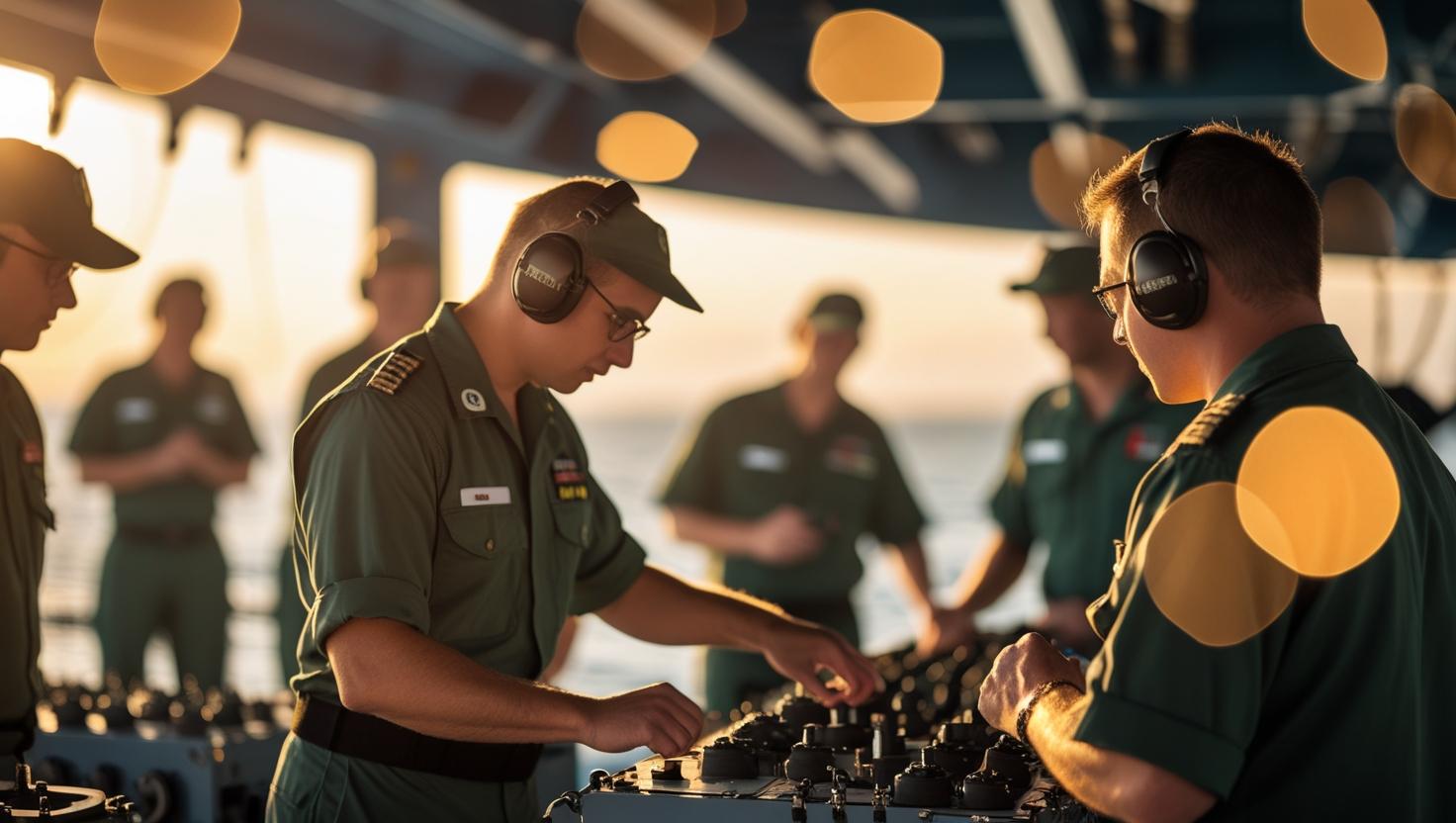
Practicing this coordination is a must during simulator sessions and onboard drills.
7. Practical Training Techniques
In top maritime institutes in India, like Tolani Maritime Institute, Samundra Institute of Maritime Studies, and IMU Chennai, training is done through:
- Bridge simulation labs with mock fog scenarios
- Role-play drills where cadets react to sudden sound alerts
- Field training during coastal ship voyages or dry-dock tests
Practical drills are often conducted near Indian ports like Cochin, Goa, or Tuticorin, where real sea conditions are challenging.
8. Common Mistakes and How to Avoid Them
Even experienced crew can make errors. Some common mistakes include:
- Ignoring system alerts assuming it’s a technical glitch
- Confusing ship-generated noises with external fog signals
- Not logging or reporting sound detection properly
- Not adjusting volume levels during windy or noisy conditions
Training focuses on making crew alert, confident, and disciplined in usage.
9. Assessment and Certification
Crew training must end with:
- Simulator-based evaluation
- Written test on SR system use
- Oral questions during watchkeeping competency checks
- Practical onboard demonstration
Certificates of proficiency are logged in the Seafarer’s Record Book (CDC) and are reviewed during DG inspections or audits.
10. Real-Life Incidents from Indian Waters
Collision Averted in Gulf of Mannar
In 2022, a merchant vessel avoided a fishing boat due to prompt detection via the SR system during a fog bank. The officer on duty was trained just two months earlier during BTM refresher.
Near-Miss at Mumbai Anchorage
An untrained cadet didn’t report a faint foghorn due to background generator noise. Only radar picked up the vessel in time—highlighting why sound + tech combination is crucial.
11. Integration with Other Navigation Aids
Modern ships don’t rely on just one tool. Crew are trained to:
Cross-check SR system inputs with radar
Use AIS to verify ship positions
Coordinate with VHF communication if doubt exists
This creates a layered safety net, especially in high-traffic zones like Paradip Port or Port Blair.
12. Role of Feedback and Continuous Improvement
Training shouldn’t stop after certification. Officers and cadets are encouraged to:
- Provide feedback on system usability
- Suggest improvements to manufacturers
- Include usage reports in daily logbooks
Ship management companies like The Shipping Corporation of India, Anglo-Eastern, and Bernhard Schulte often revise internal SOPs based on crew inputs.
13. Digital Tools and E-learning for SR System Training
Thanks to technology, institutes now use:
- Virtual reality (VR) to simulate foggy navigation
- Mobile apps for signal recognition practice
- DG Shipping’s e-Governance portal for online refresher tracking
This is especially useful for inland and coastal vessel crew who may not attend residential courses often.
14. Challenges in Indian Training Ecosystem
- Language barriers in Tier 2/3 maritime academies
- Cost of simulator access for small shipping companies
- Lack of refresher awareness among inland and ferry operators
DG Shipping is now working with private training providers to resolve these through outreach and policy updates.
15. Future Trends in SR Training
- AI-enhanced simulators that mimic real-world sound scenarios
- Cloud-based training logs
- Mandatory SR system handling module in all new STCW courses
As more ships shift to smart bridge systems, SR training will get more interactive and digital.
Conclusion
Whether it’s a massive cargo ship docking at Kandla or a small passenger ferry navigating Goa’s backwaters, the proper use of the sound reception system in ship operations can save lives. And for that, training is key.
In India, with rising maritime traffic, changing weather patterns, and stricter compliance rules, crew must be equipped not just with certificates—but with confidence and practical know-how.
So next time you hear that foghorn or alert tone, you’ll know—it’s not just a sound. It’s a signal of safety. And a trained crew is your best response.