


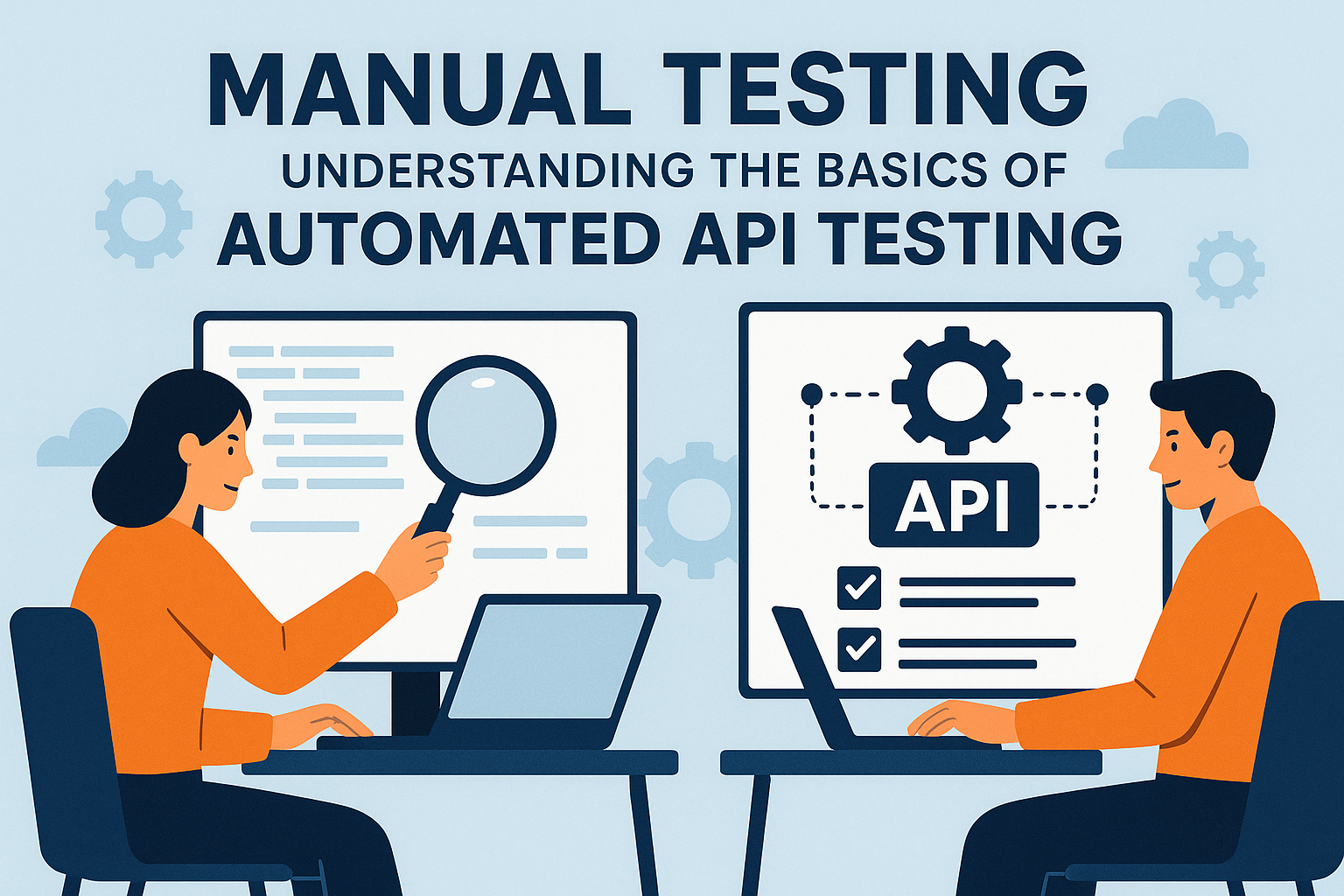
Automated API testing is quick and the perfect solution for large or repetitive test runs as it removes the need to manually write and check each test case. On the other hand, manual testing is flexible and relies on human intuition, which allows for greater value in exploratory testing, usability testing, or if features are in flux. But which of these testing types is best? Let’s compare.
What Is Manual API Testing?
Manual API testing is conducted by a person testing the system by sending requests and analyzing responses without an automated program. It is easy to get started, does not require any programming knowledge, and is usually the first step in QA testing.
4 Benefits of Manual API Testing
A few of the benefits are mentioned below:
Human Perspective
Creative, exploratory thought helps testers discover nuanced bugs or subtle usability problems that automation would miss. Human judgment is a large part of the user's experience and assessing the API behavior in catching unexpected responses.
Flexibility
Manual testing is more flexible; it allows changes to be explored immediately when any change is made, without worrying about scripts or configurations, you can test and change, all in real time.
Low Start-up Costs
You will not have to spend time building or maintaining any type of automation frameworks or tools for manual testing. This makes manual testing that much more feasible for a small team or an early project that is not going to have the same amount of resources available to automation.
Real-time Feedback
Manual testing provides immediate visibility into how the API responds, which makes it valuable during live debugging. You can gain real-time feedback to see how the system reacts and give immediate feedback. It is even more useful during live debugging phases or if you work closely with developers.
When to Use Manual Testing
Manual API testing works best where human judgment is crucial (e.g., in the early stages of development when functionality is changing rAPIdly). Manual API testing is optimal for fast, one time checks, smoke tests, and for debugging unpredictable or complicated API behavior. These types of situations have huge advantages from having a tester's instinct and flexibility.
What is Automated API Testing?
Automated API testing uses scripts or special purpose tools to call API endpoints and look at the responses instead of doing it all by hand. An automation tool does the work of calling API endpoints, taking test data, and then checking the outputs against the expected results all done with little or no human intervention.
You can think of it like automation "simulating" the same tests over and over in a very fast manner. And, because it executes code, automated can often execute dozens or hundreds of tests in the same time it takes a person to do just a few.
Benefits of Automated API Testing
The benefits of automated API testing are mentioned below:
1) Speed
Automated tests execute tremendously faster than a human can. Research has shown an automated API testing tool reduced test execution time by ~90% compared to the same testing done manually.
2) Repeatability
Scripts can be reused many times after they are created. Once you write a test script, you can run it again and again without doing it manually.
3) Coverage and Consistency
Automation can test many more combinations (large data sets, multiple endpoints) while consistently executing error-free. A well-written automated test removes many of the human errors that exist when repeating tests manually.
4) Resource Savings
Over time, automation saves labor. One report indicated that an automated testing solution reduced staff by 95% and cost by 70%.
How Does Automated API Testing Work?
Automated API testing consists of a mechanism that will call the API very similarly to any other user (or UI) would. The user is simply writing scripts or using a framework that lets you define specific API calls, inputs, and expected outputs.
A test runner or CI tool will run these tests, compare the actual responses with the expected responses, and log the results. The system will then repeat tests across the environment and flag any discrepancies. This approach automates a tedious, repetitive task and allows for greater consistency.
Manual vs. Automated API Testing
Speed and Scale
Manual tests are time-consuming and labor-intensive, making it difficult to scale for large projects. Automated tests are faster, allow more coverage, and can effortlessly accommodate frequent test cycles.
Flexibility
You can change manual tests on the fly while executing. Automated tests must be updated in said code, but once set in cadence give you repeatable results across environments.
Insight
Human testers are better at discovering usability issues and unexpected behaviors when doing exploratory testing. Automation is better at handling repetitive tasks with lots of data.
Cost
Manual testing is low risk and great for short-term projects; however, as before it becomes inefficient at scale. Automation has a high initial cost but saves huge amounts of time and money in the long run.
Conclusion
Both manual and automated testing play an important role. Manual testing offers human insight and flexibility for new or complicated customer-facing features, while automation offers speed, coverage, and consistency.
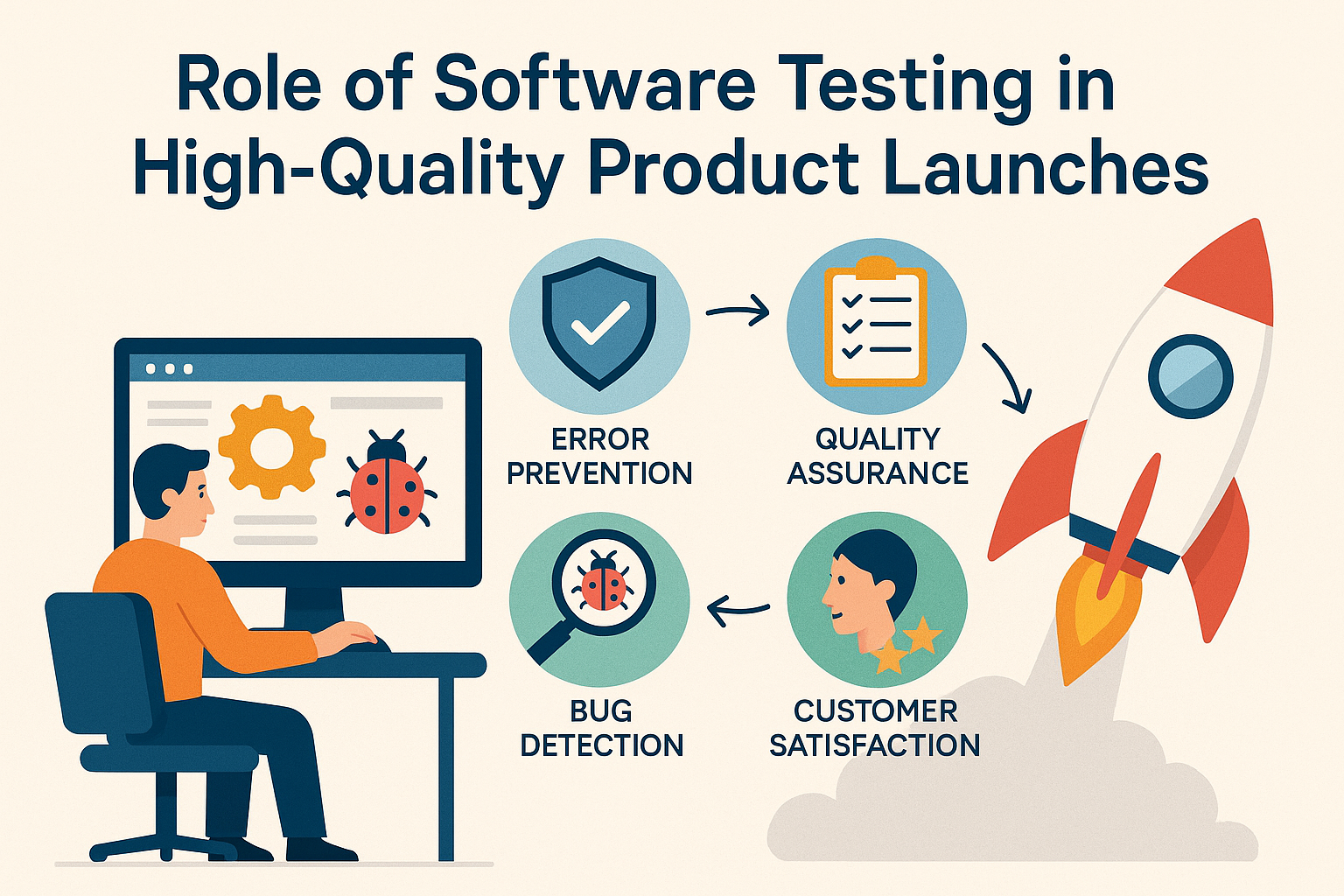



This article highlights the list of crucial metrics to measure software quality and the benefits of using the parameters to improve it.
Software quality is of utmost importance, and many teams find it challenging to find the correct parameters to measure quality.
A QA strategy builds on the right QA metrics is effective and helps to release great software.
The areas where the team needs to focus more.
Unreliable test casesThis metric checks unreliable, a flaky test that fails to provide any useful feedback; instead, it consumes more time and resources.
The metric helps in analyzing poorly written test cases, human errors, intermittently fail or pass test cases.