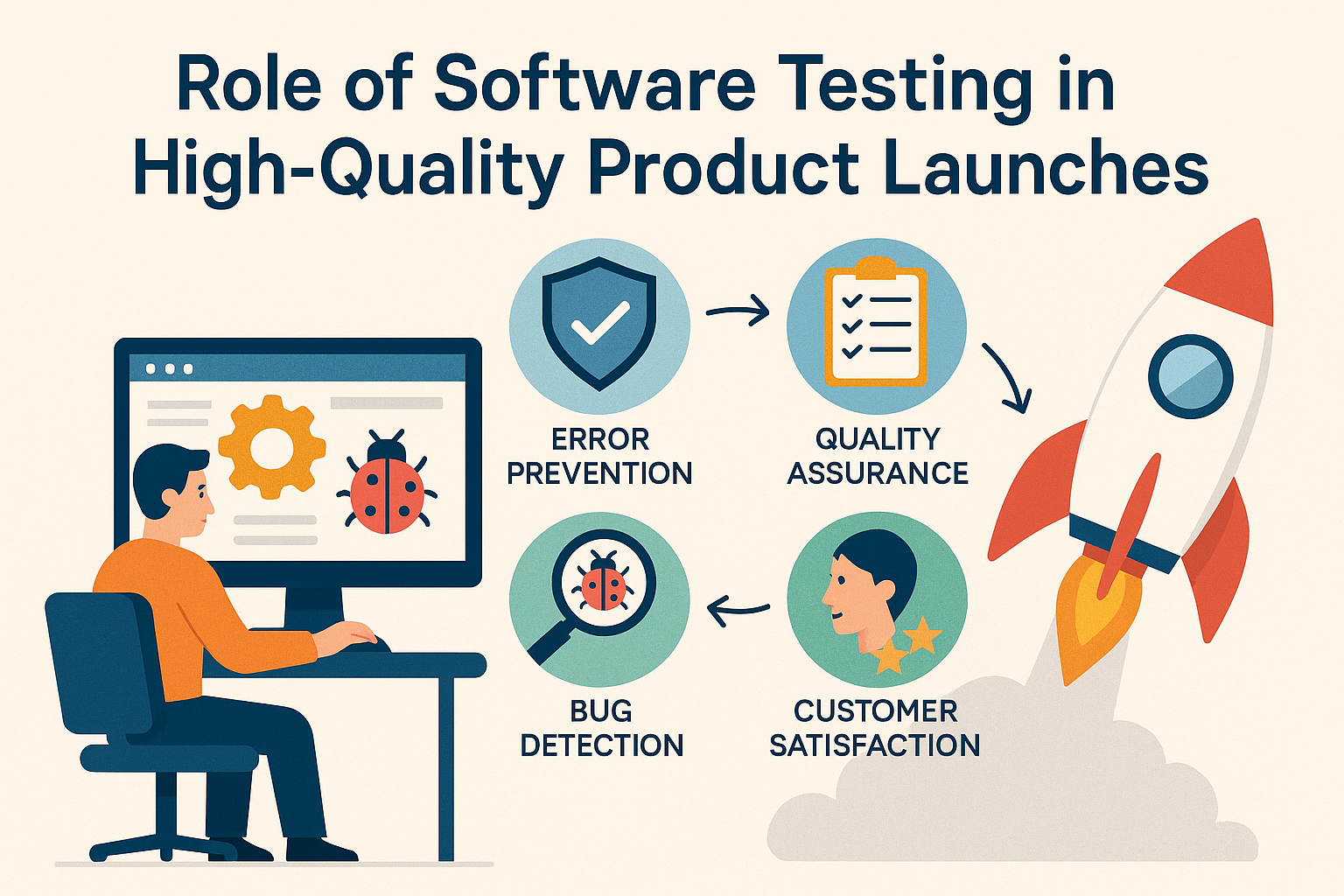
Launching a product is one thing. Launching the one that works flawlessly is another. The difference often comes down to software testing services not as a last-minute add-on, but as a prime part of product development.
Skipping or rushing testing isn’t just risky; it’s expensive. If your software fails users at launch, the damage isn’t just technical, it’s reputational. Let’s break down why testing is a must-have and the way it works at different stages.
Why Software Quality Matters at Launch?
According to a report by the Consortium for IT Software Quality (CISQ), bug-prone software cost U.S. companies more than $2 trillion in 2020.
First Impressions Define Brand Perception
A user’s first experience with the product of your brand often becomes the only experience if things go wrong. A mobile app that crashes or a site that loads slowly will send people looking for alternatives.
Bugs, hiccups, and broken user flows don’t just frustrate users; they silently erode trust. You may never get a second chance to fix that impression.
Cost and Reputation Risks of Buggy Releases
A single undetected bug can build up into widespread customer complaints, refund requests, or public disapproval. And unlike hardware recalls, software issues travel faster online.
Early negative end-user reviews can stain your product’s name permanently. The cost of fixing bugs post-launch is exponentially higher than sorting them out during development.
How Software Testing Supports a Quality Launch?
Testing is about feeling sure before you go live. Proper testing tells you: "Yes, this product is stable, works as intended, and won’t break under strain."
Identifying Critical Bugs Before Release
No product is ever 100% bug-free. But not all bugs are equal. Testing spots blockers bugs that crash the app, corrupt data, or prevent users from moving forward. These aren’t optional fixes; they’re launch stoppers.
Systematic pre-release testing digs into uncommon cases and anomalous behaviors. Testers simulate real-world use, check out error management methods, and break things intentionally before your users do it for you.
Ensuring Functionality Across Environments
Users won’t all be on the same phone, OS, or browser. Cross-platform testing assures your product doesn’t work only on your dev team's MacBook. Good testing environments replicate real user conditions Android, iOS, Chrome, Safari, slow networks, older devices. That way, you don’t get hit with one-star reviews just because the checkout button vanishes on a Samsung Galaxy S9.
Supporting Reliable Output Under Strain
Your product might work great for ten users. But what happens when a thousand hit it at once? Load testing emulates volume. Can your backend handle launch traffic? Will your database slow down under stress? This kind of performance testing avoids public crashes when your product gets its first press feature or influencer shoutout.
Validating User Experience and Flows
In certain cases, everything technically works but it just seems off. Possibly a button is in the wrong place. Maybe a user journey feels clunky. Usability testing reveals those rough edges. QA teams act like real users. They audit whether signup flows make sense, whether navigation is well-designed, and whether interactions feel smooth. This kind of testing doesn’t just prevent failure it improves satisfaction.
Software Testing Over the Development Lifecycle
According to IBM, defects found in production can cost 6x more to fix than those caught during design. That alone makes a strong case for lifecycle testing.
Early Testing to Prevent Late Surprises
Bugs introduced early but discovered late tend to cascade across the code repository. That’s how small oversights grow into launch-stopping problems. Testing during requirement elicitation and early development helps expose issues before they infect everything else. It’s like proofreading while you write, not after printing the book.
Continuous Testing in CI/CD Pipelines
Modern development is fast. CI/CD pipelines help teams ship code daily or even hourly. But fast releases need fast feedback. Continuous testing integrates automated tests within the pipeline, so every commit is verified before it hits production. It’s how you keep speed from turning into chaos.
Regression Test to Safeguard Existing Features
Launching a new version shouldn’t mean breaking what already worked. Regression testing assures that freshly added features don’t mess up existing ones. It’s a safety net for teams moving fast. Without it, every release becomes a gamble; where fixing one thing might quietly break five others.
Summing It Up
Software testing services are not optional if you care about user trust, app responsiveness, or market reputation. They help you find bugs, ensure compatibility, stress-test performance, and fine-tune end-user experience before your users become your testers.
A well-tested product isn’t just more reliable; it’s more respected. It upholds a professional image and earns trust from day one. That’s why smart teams commit to testing early on and consistently.
Make testing a part of your launch checklist, not the item you scramble to patch last minute.
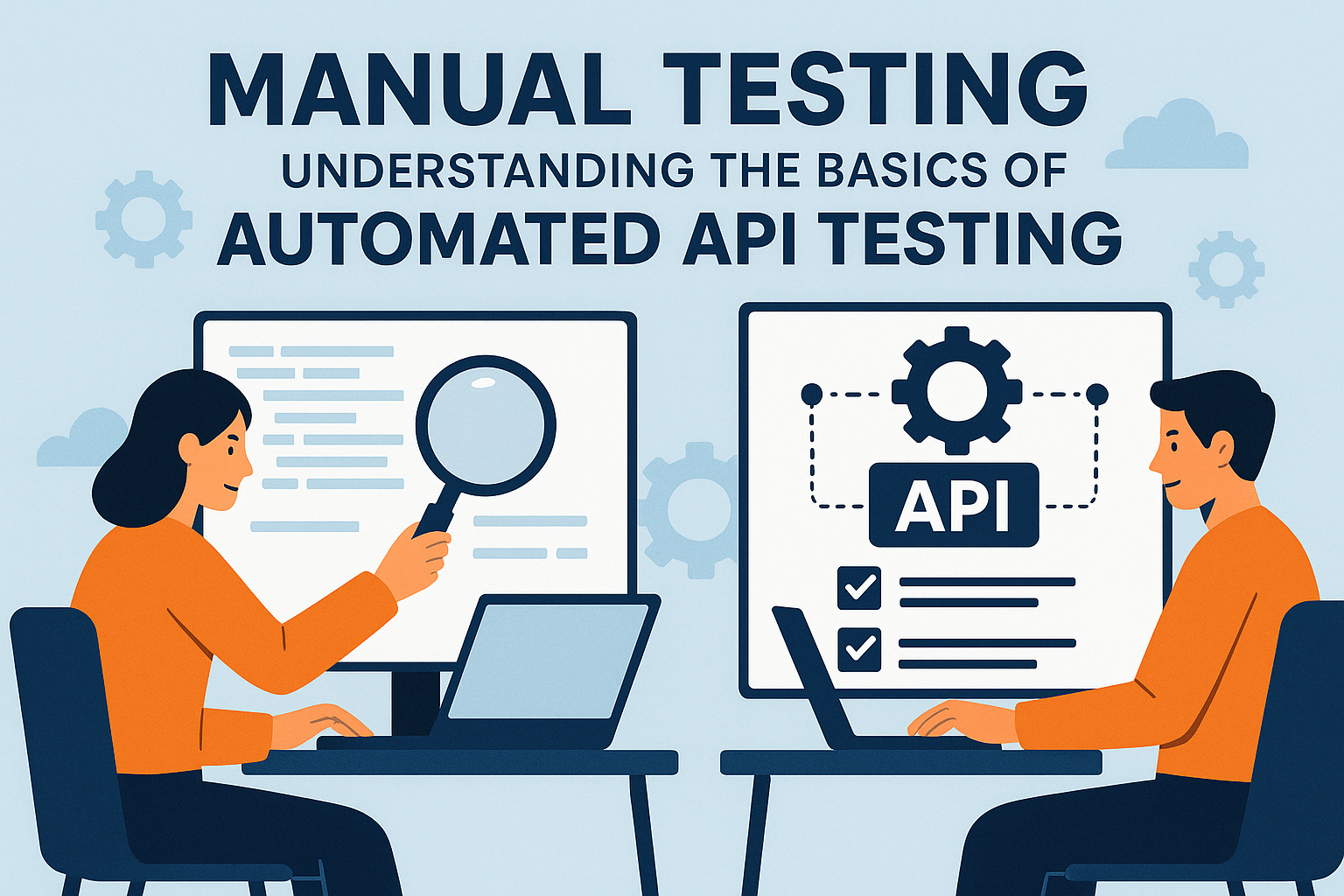

Software, even when developed by professionals with years of experience and acknowledged expertise, is likely to have errors.
Testing is crucial to discover redundancies in code, inconsistencies and errors that will certainly affect performance. Software development companies may not have the requisite infrastructure, teams or software for testing of all parameters and this is why hiring an independent software testing company is a very good idea.
Independent software testing services offer the complete suite of testing services to ensure software performs as expected across various parameters and use conditions.