





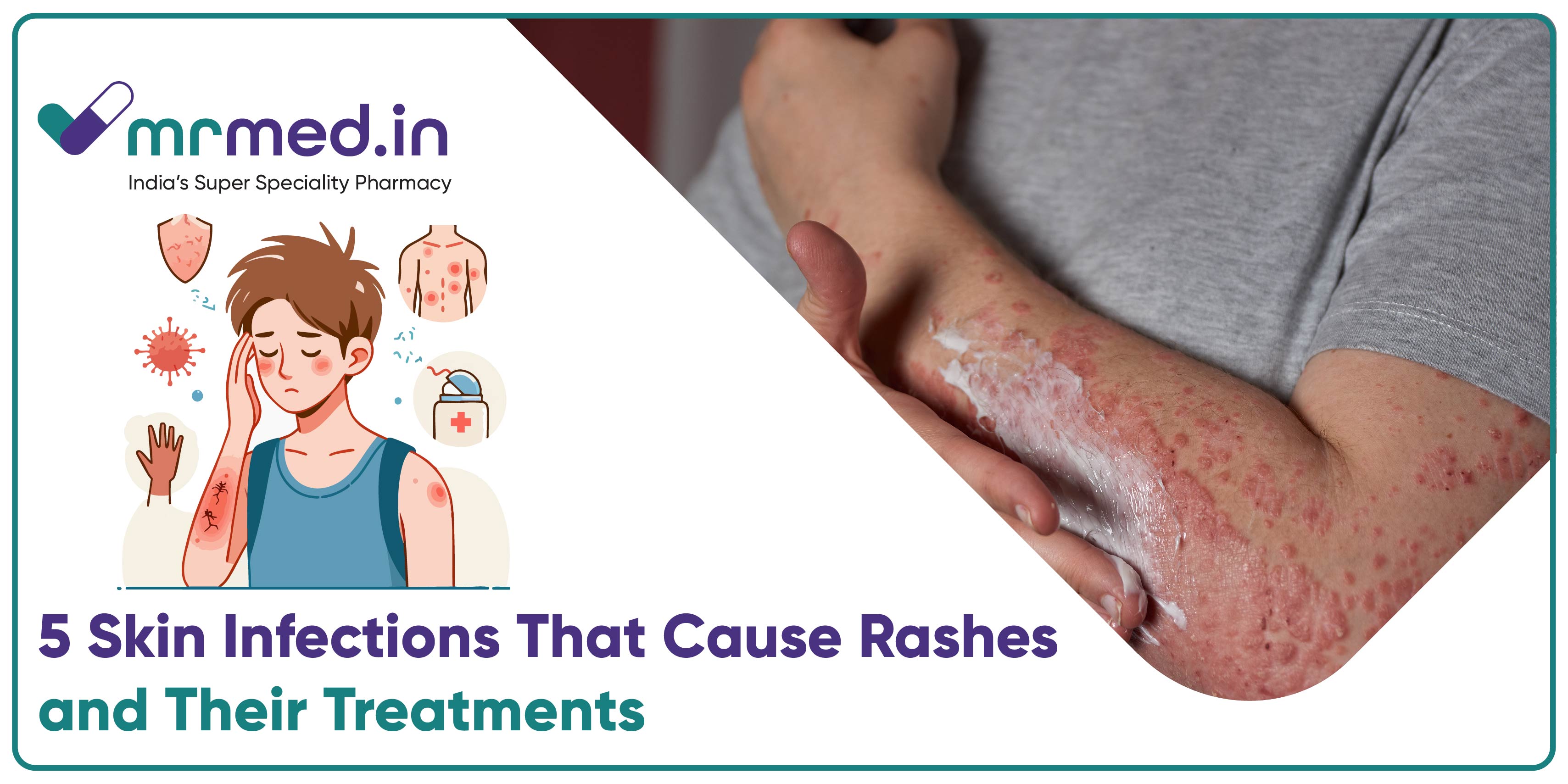
Feeling itchy, red, or irritated? It might not just be a heat rash or allergy…
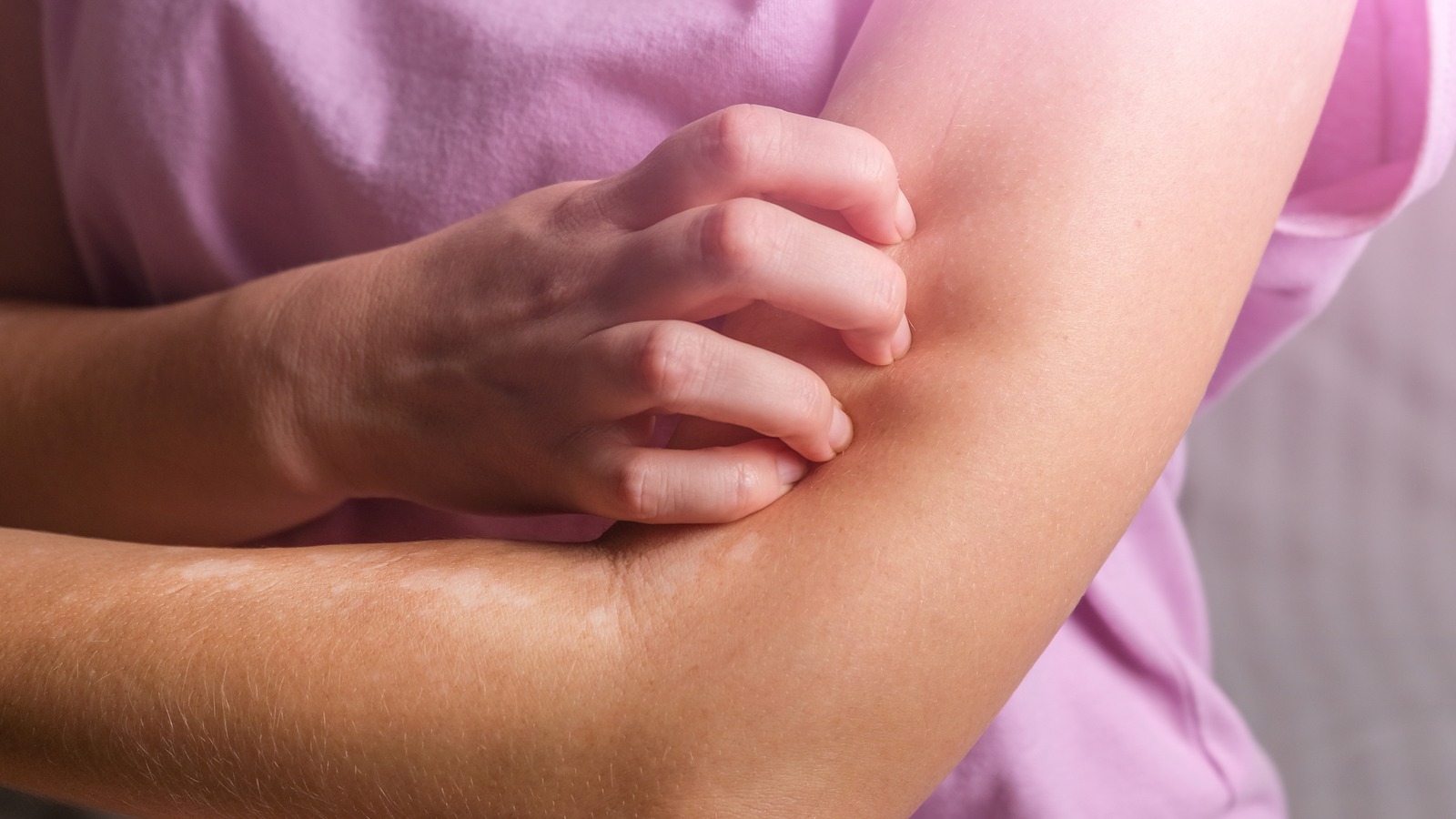
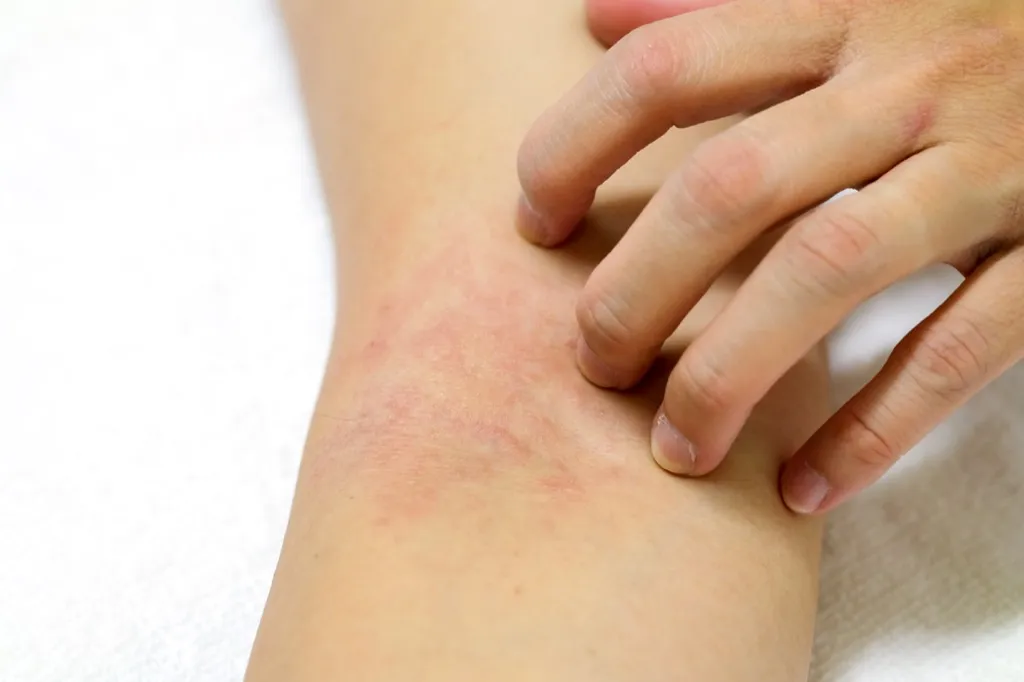
Imagine waking up with a red, itchy patch on your skin. You think it's probably a mosquito bite or maybe just dry skin. But days pass, and it worsens, spreading, flaking, and possibly even blistering. Sound familiar? Rashes can be tricky. Sometimes they appear harmless, but they could be a sign of an underlying infection that requires proper attention.
This blog breaks down five common skin infections that could be causing your rash, how to recognise them, and what steps to take. We’ll also provide you with some practical skincare tips to help prevent them in the future. Let’s decode that rash before it spreads!
What does a fungal skin infection look like?
A fungal infection of the skin often appears as a red, scaly, and itchy rash. In some cases, the rash may form rings (as seen in ringworm), while at other times, it appears as a reddish patch with distinct edges. Areas where skin folds or stays moist, like the underarms, groin, or between the toes, are most vulnerable.
If you notice itching that doesn't go away, along with peeling or cracking skin, it may be a sign of a fungal infection. These are generally not serious, but they’re contagious and can spread if untreated. Over-the-counter antifungal creams often work, but in stubborn cases, oral medicines may be prescribed. It’s essential to keep the area dry and clean and avoid sharing towels or personal items.
Could that rash be eczema or something else?
Eczema is often confused with skin infections, especially when it causes inflammation, dryness, and itching. But here’s the key difference: Eczema isn’t contagious, whereas infections like impetigo or fungal rashes are.
If your rash oozes yellowish fluid, crusts over, or continues to spread, it may not be eczema. Bacterial infections, such as impetigo, can resemble eczema but tend to worsen more quickly. In such cases, see a doctor who might recommend antibiotics. Meanwhile, avoid scratching the area, as this can exacerbate the condition or lead to secondary infections. Moisturise regularly and use gentle skin products to support healing.
What if the rash burns or stings?
A burning, tingling, or stinging rash may indicate viral infections, particularly shingles or herpes simplex. These types of infections typically affect one side of the body and may be accompanied by small, fluid-filled blisters.
Shingles, for example, is caused by the reactivation of the varicella-zoster virus, which is mostly associated with older adults or people with weakened immune systems. If you spot a painful rash with blisters in a band-like pattern, see your doctor immediately. Antiviral medicines can shorten the duration and reduce pain, especially if started early. While healing, wear loose clothing and use cold compresses to soothe the skin.
Is it serious if my rash continues to spread?
Yes, if your rash continues to spread or is accompanied by fever, pus, or swelling, it could be a bacterial skin infection, such as cellulitis. These types of infections occur when bacteria enter through a break in the skin, such as a cut, insect bite, or cracked skin.
Cellulitis causes the skin to appear swollen, red, and warm to the touch. It can be painful and may cause chills or fatigue. If left untreated, the infection can spread to the bloodstream and become life-threatening. You’ll need oral antibiotics or hospital care, depending on the severity. Ensure that all wounds are cleaned properly and avoid walking barefoot in public places, such as gyms or pools.
Can acne lead to skin infections?
Absolutely. While acne itself is not an infection, the bacteria that cause acne, particularly when pimples are picked or squeezed, can lead to deeper skin infections. These may appear as large, painful cysts or even abscesses filled with pus.
It’s tempting to pop a pimple, but doing so can push bacteria deeper into the skin. Instead, use a proper acne-care routine with gentle cleansing and targeted treatments. If your acne is severe or becomes infected, a dermatologist might prescribe skin care medicines such as topical antibiotics or retinoids. Never ignore persistent or painful breakouts.
What can I do to prevent skin infections?
Keep your skin clean and dry, especially in areas prone to sweating.
Avoid sharing personal items, such as towels, razors, or makeup.
Wear breathable fabrics, such as cotton, to reduce moisture buildup.
Follow a basic skincare routine—gentle cleanser, moisturiser, and sun protection.
If you have cuts or wounds, clean them immediately and keep them covered.
For recurring bacterial infections, your doctor may recommend medications like Emrok O 500mg Tablet, which contains Levonadifloxacin, a powerful antibiotic. But never self-medicate, always follow your doctor's advice to avoid resistance or side effects.
When should I see a doctor?
If your rash doesn’t improve within a week, keeps spreading, becomes painful, or you notice fever and pus, it’s time to seek medical attention. While many rashes can be treated at home, ignoring signs of infection can lead to complications. Always listen to your skin—it’s trying to tell you something!
Stop scratching, start acting.
Rashes can be annoying, uncomfortable, and sometimes alarming. But now that you know what different infections look like and how to treat them, you can respond with confidence. Don’t let a rash disrupt your daily life or affect your self-esteem. With timely care, a good hygiene routine, and the right skincare tips, you can maintain healthy and infection-free skin.
And remember: not all rashes are made equal. When in doubt, consult a dermatologist for a professional assessment.
Top 9 Facts You Need To Know About Sheet Masks What is a sheet mask?They are face-shaped sheets soaked in a nutrition-packed solution called serum.
The sheet is made up of a variety of materials including paper, fiber, and gel type.
These sheet masks are different from facial masks (paste type) that you only need to apply, take off, and pat in extra serum instead of washing the paste after applying and putting on other skincare products.
The sheets are one-size-fits-all, but since every face is not the same size or shape, it would be easier to start from the forehead and pat it softly as you come down to your face while lining up the holes for your eyes, nose and mouth.
Sheet masks are recently changing the beauty industry and gaining popularity in the U.S by seeing various celebrities utilize sheet masks and post about it on their social media.
How does it work?There is a sheet fully soaked with concentrated serum, which consist of many beneficial ingredients to the skin such as hyaluronic acid and vitamins.