In the fast-evolving world of industrial automation and manufacturing, efficiency, precision, and continuity are not just desirable—they are vital. The success of any production or material handling operation heavily relies on the seamless interaction between various machines and components. One such often-overlooked yet critical component is the Feeder Belt. Although it may seem like a small part of the system, it plays a pivotal role in ensuring consistent material flow and operational stability.
What Is a Feeder Belt?
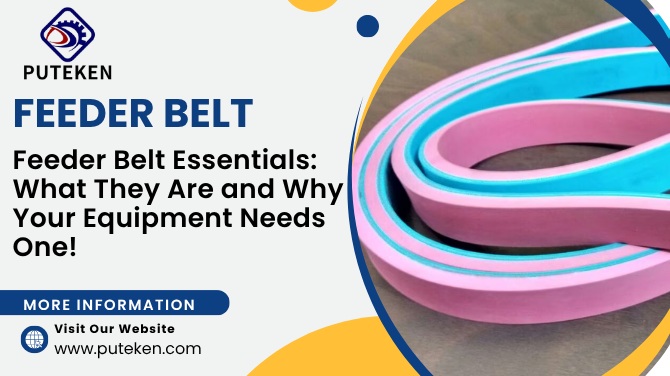
A Feeder Belt is a specialized conveyor belt specifically designed to consistently deliver or “feed” materials or products into machines and processing lines. These belts are tailored to start and stop frequently while still maintaining precise positioning, grip, and momentum. Typically composed of durable rubber, PVC, or PU materials, feeder belts are engineered for friction control, longevity, and minimal slippage even under high-tension operations.
In essence, they serve as a controlled transition interface between two stages in a production or handling process.
Unlike traditional conveyor belts that run continuously to transport bulk items from one point to another, feeder belts are designed with features such as:
- Timed or intermittent operation
- Precision tracking
- High grip surface patterns
- Flexibility in length and material handling
Why Is a Feeder Belt So Important?
At first glance, a feeder belt might appear to be a simple intermediary component. However, its role extends far beyond just moving materials. Here’s why a feeder belt is essential to your operations:
1. Ensures Accurate Material Flow
Feeder belts regulate the feed rate of materials into the next processing stage, preventing bottlenecks and interruptions. This is especially crucial in processes that require high precision, such as printing, packaging, and pharmaceuticals.
2. Reduces Downtime
By seamlessly feeding products into machines, feeder belts reduce manual intervention and the frequency of jams, breakdowns, or alignment issues. This results in fewer interruptions and extended machine uptime.
3. Protects Delicate Products
Some materials, like film, textiles, or food products, require gentle handling. Feeder belts often include soft, fabric-coated or rubberized surfaces, cushioning and protecting delicate goods during transfer.
4. Optimizes Throughput
A well-designed feeder belt increases production efficiency by ensuring continuous and automated loading of items onto the main process lines.
5. Minimizes Product Waste
When products are fed inconsistently or misaligned, you face increased rejections, waste, and rework. Feeder belts help keep your product aligned and intact through each stage.
Key Features of High-Quality Feeder Belts:
A high-performance feeder belt must possess several important properties to withstand the rigors of industrial environments:
- High Friction Surface
To effectively grip the products during feeding, feeder belts typically have surfaces designed for maximum traction. This is essential for preventing product slip or misalignment during high-speed operations.
- Abrasion Resistance
Given the frequent start-stop nature of feeder belt operation, wear resistance is crucial to prolonging the belt’s operational life.
- Longitudinal Flexibility
Feeder belts must handle subtle bends and snaking paths without compromising performance, especially on high-speed lines.
- Dimensional Stability
Feeder belts are required to hold their shape under tension and resist shrinking or stretching, which is common in low-quality belts.
- Customization Options
Applications vary widely. Reputable manufacturers like Shanghai Puteken Transmission System Co., Ltd. offer fully custom feeder belts—tailored lengths, widths, materials, and surface textures.
Shanghai Puteken: Your Go-To Feeder Belt Supplier
As an industry-leading transmission solutions provider, Shanghai Puteken Transmission System Co., Ltd. has built a solid reputation for quality, innovation, and exceptional customer service. Our Feeder Belts are engineered using precision machinery, high-performance materials, and custom specifications tailored to your production setup. Here’s why clients around the world trust us:
- Vertical Manufacturing Integration
We control every step of the process—from raw material selection to finished product inspection—ensuring consistent quality in every belt we produce.
- Cutting-Edge Technology
Using precision CNC equipment and automated belt welding/joining tools, we deliver belts that meet strict tolerances and customer expectations.
- Tailored Support
We work closely with clients to understand their equipment requirements, usage environment, and performance goals. Our engineers provide expert consultation and on-call support before and after delivery.
- Global Availability
Through our well-established logistics chain and international partnerships, we supply feeder belts to customers across Asia, Europe, North America, and beyond.
Choosing the Right Feeder Belt: What to Consider
The right feeder belt can significantly improve your machine throughput and reduce operational headaches. When selecting one, consider the following:
1. Material Type Compatibility
Choose a belt surface and compound that suits your product's texture and the operating temperature.
2. Traction Requirements
Consider a textured belt for slippery items or smooth belts for heavier items that need minimal resistance.
3. Flexibility vs Rigidity
High-flex belts are needed for applications with tight curves or rollers; stiffer belts are better for flat feeding.
4. Surface Treatment
Is your product delicate? Choose a belt with a softer coating to prevent surface scratches or impressions.
5. Speed and Load
Ensure the belt tolerance matches your machine’s feed speed and the weight of your product.
In the ever-demanding discipline of industrial automation and material handling, even the smallest components matter. Feeder Belts, though often overshadowed by more prominent machinery, play an indispensable role in the safe, efficient, and continuous operation of countless systems.
Frequently Asked Questions (FAQs)
Q1: How long does a feeder belt typically last?
A: Under normal operating conditions, feeder belts can last from 6 to 24 months, depending on material, application, and usage volume.
Q2: Can I order a custom-sized feeder belt?
A: Yes! At Shanghai Puteken, we offer wide customizability for belt length, width, material type, and surface treatment.
Q3: Do these belts work in wet or oily conditions?
A: Absolutely. We have variants with oil-resistant or water-resistant coatings to suit such conditions.
Q4: What’s the difference between a standard conveyor belt and a feeder belt?
A: A feeder belt is designed for intermittent or timed operation with greater grip and stability, whereas conveyor belts typically run continuously over longer distances.
Q5: Can I use a feeder belt for food-contact applications?
A: Yes, but only if you select food-grade material options like FDA-certified PU or PVC belts. Contact us for compliant options.
Q6: How can I tell when a feeder belt needs to be replaced?
A: Look for signs such as slippage, decreased traction, misalignment, or visible surface degradation. Regular inspection helps catch these early.