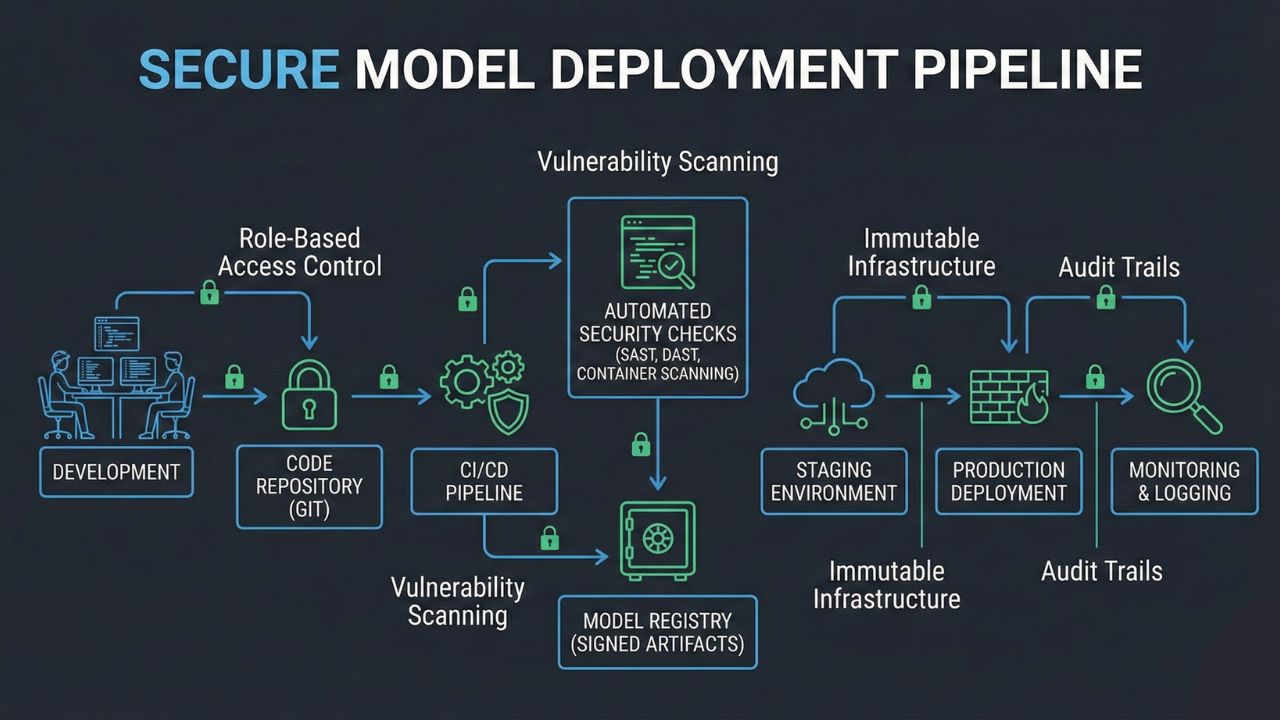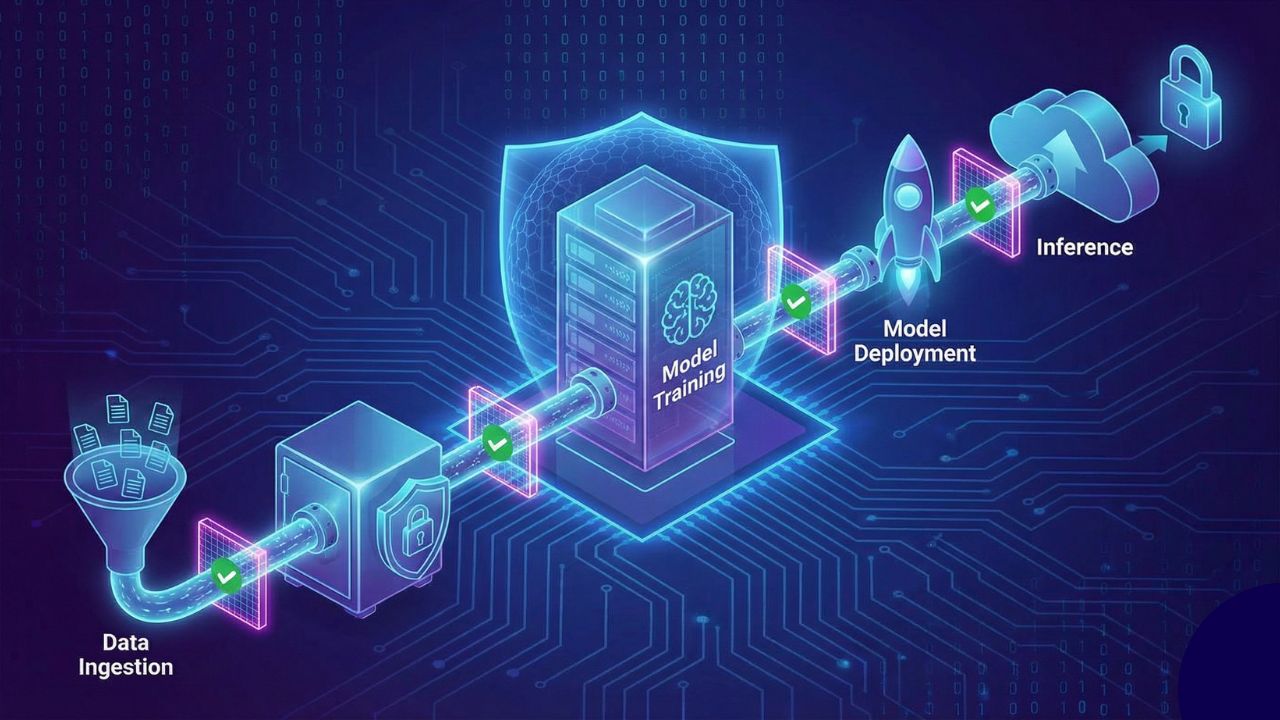



The rapid proliferation of Artificial Intelligence (AI) and Large Language Models (LLMs) has revolutionized industries, yet it also introduces a novel and complex set of security challenges. From prompt injection and data poisoning to model inversion and adversarial attacks, the threat landscape for AI/LLM systems is constantly evolving.
While theoretical knowledge is foundational, understanding why hands-on labs matter in AI & LLM security training is paramount for developing truly effective defense mechanisms and fostering a skilled cybersecurity workforce capable of protecting these cutting-edge technologies.
Bridging the Gap Between Theory and Practice
Traditional classroom learning provides crucial theoretical frameworks for understanding AI and LLM vulnerabilities. Students learn about concepts like adversarial examples, data leakage, and insecure deserialization within AI pipelines.
However, merely reading about these threats or watching demonstrations falls short of preparing security professionals for real-world scenarios. Hands-on labs provide the critical bridge, allowing learners to actively engage with these vulnerabilities.
They can write malicious prompts, observe how model weights shift during data poisoning, or attempt to extract sensitive training data, transforming abstract concepts into tangible experiences. This practical application solidifies understanding and reveals the nuances often missed in theoretical discussions.
Developing Practical Skills and Muscle Memory
Securing AI and LLM systems requires a unique set of technical skills, including understanding model architectures, data pipelines, and the specific attack vectors unique to these technologies. Hands-on labs are the ideal environment for developing this practical "muscle memory."
Participants can configure security tools, implement defense strategies, analyze logs for AI-specific anomalies, and practice incident response procedures in a controlled, safe environment. This active learning approach fosters problem-solving abilities, critical thinking, and the ability to adapt to new threats, which are indispensable qualities for any cybersecurity professional working with AI.
Experiencing Real-World Attack & Defense Scenarios
The dynamic nature of AI/LLM security means that new attack techniques emerge frequently. Hands-on labs can be designed to simulate these real-world attack and defense scenarios, often incorporating the latest research and exploits. Learners gain invaluable experience by stepping into the shoes of both attackers (red team) and defenders (blue team). They learn not just what vulnerabilities exist, but how they are exploited and, crucially, how to detect and mitigate them.
This immersive experience helps in identifying blind spots in defenses, understanding the impact of successful attacks, and developing robust remediation strategies, preparing them for the complexities of live environments.
The Imperative for Practical AI Security Proficiency
As AI and LLM adoption accelerates, the demand for cybersecurity professionals with practical expertise in securing these systems will skyrocket. Relying solely on theoretical knowledge will leave organizations vulnerable. Hands-on labs are not just a supplementary component; they are a fundamental necessity for effective AI & LLM security training.
For individuals and teams aiming to validate their skills and demonstrate proficiency in this critical domain, pursuing an AI security certification that emphasizes practical, lab-based assessments is the most reliable path to ensuring they possess the capabilities required to protect the future of AI.