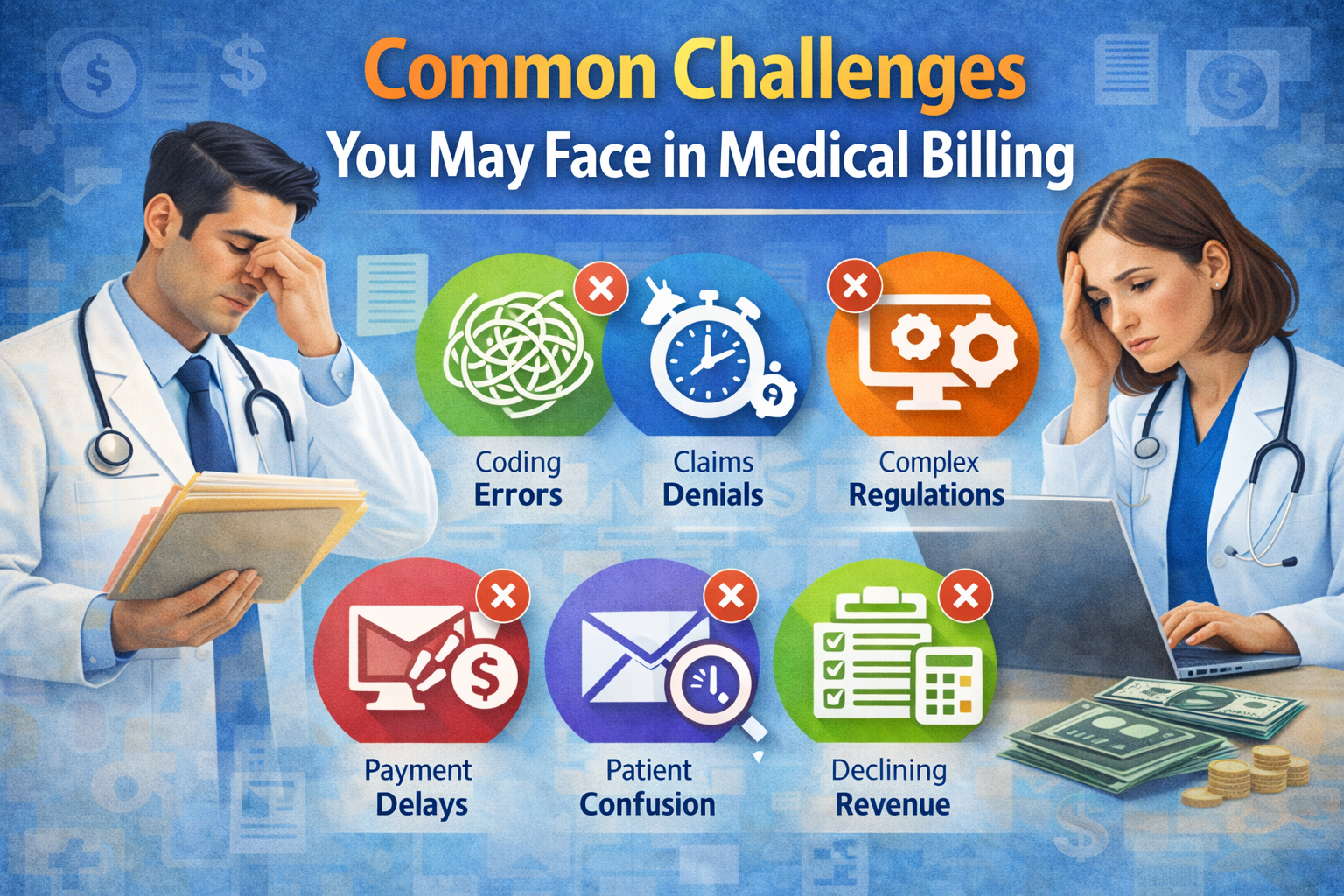



In the complex world of diagnostic labs, billing and coding play a pivotal role in financial success and operational efficiency. Laboratories face a unique set of challenges, including ever-evolving regulatory demands, insurance denials, and time-consuming administrative tasks. Labs that fail to manage these issues properly risk compliance penalties, delayed reimbursements, and profit losses. This is where the strategic advantage of Laboratories Coding Services becomes evident. These services serve as a bridge between clinical operations and financial sustainability, ensuring accuracy, compliance, and consistency in all billing practices.
Why Billing and Coding Expertise Matters for Labs
Avoiding Costly Errors
Laboratory billing and coding are governed by intricate guidelines that vary by payer and change frequently. A minor error—like the wrong modifier or an outdated code—can lead to claim denials or delays in reimbursement. Experienced coding professionals reduce such risks by staying updated with the latest regulations from CMS, CPT, and HCPCS.
Enhancing Revenue Cycle Management
Incorrect or delayed coding can clog the revenue cycle, affecting a lab’s cash flow. Accurate coding ensures claims are processed promptly and payments are received faster. Moreover, precise documentation of services helps eliminate the need for rework, appeals, and time-intensive audits.
Ensuring Regulatory Compliance
Labs must comply with numerous federal and state guidelines, including HIPAA, CLIA, and payer-specific rules. Skilled coders help maintain documentation integrity and use correct procedural and diagnosis codes, keeping labs compliant and audit-ready at all times.
Common Challenges in Lab Billing and Coding
1. Rapidly Changing Regulations
Labs are frequently affected by changes in CPT codes, payer guidelines, and billing rules. Without dedicated professionals monitoring these changes, it's easy to fall behind.
2. High Volume of Low-Dollar Claims
Many lab claims are low in individual value but high in volume. This makes automation and accuracy essential—errors can quickly add up.
3. Incomplete or Inaccurate Documentation
Poor clinical documentation often leads to coding errors and claim denials. Coders bridge the gap between lab staff and billing departments to ensure all relevant data is captured.
4. Complex Insurance Requirements
Different payers have unique requirements, from test-specific coverage policies to prior authorization mandates. Coding experts help labs navigate these complexities smoothly.
Practical Tips for Streamlining Lab Coding and Billing
Below are five practical strategies you can implement to improve your laboratory's billing and coding efficiency:
Tip 1: Maintain Updated Coding Resources
Make sure your team has access to the latest versions of CPT, ICD-10, and HCPCS codebooks. Regular training and education on updates help prevent outdated coding errors.
Tip 2: Automate Routine Processes
Use automation tools for routine coding, claim submission, and follow-up. This can reduce human error and free up time for complex claim resolutions.
Tip 3: Conduct Regular Internal Audits
Schedule periodic audits to catch coding inconsistencies or compliance gaps. Early detection helps mitigate risks before they escalate.
Tip 4: Improve Clinical Documentation
Ensure that laboratory staff document procedures thoroughly and clearly. Even a simple checklist can help reduce omissions that affect billing.
Tip 5: Work with Specialized Partners
If you're overwhelmed by coding tasks or compliance demands, consider outsourcing to professionals who specialize in lab billing. These partners bring both expertise and scalability to your operations.
When to Seek External Help
Knowing when to seek external assistance is critical. If your in-house team struggles with persistent denials, low collection rates, or compliance concerns, you may benefit from expert support. Partnering with a professional who understands your lab’s specific needs can streamline your revenue cycle significantly.
In fact, if you're already considering outside support, explore your options for Help with Your Laboratory Billing. Such assistance can often transform the way you manage your workflows, helping reduce errors and boost profitability.
Real-World Impact: Case Insights from RCM Experts
RCM Experts, a leader in healthcare revenue cycle solutions, has worked with numerous diagnostic labs across the U.S. One such lab experienced a 25% reduction in claim denials and a 30% improvement in collection turnaround times within the first quarter of integrating expert coding services. These improvements were driven by rigorous audits, accurate CPT code selection, and streamlined documentation protocols all coordinated by certified coding professionals.
Long-Term Advantages of Laboratories Coding Services
Better Cash Flow
By minimizing claim rejections and denials, your lab enjoys a steadier stream of reimbursements. This is crucial for sustaining lab operations and investing in new technologies.
Increased Efficiency
Outsourcing coding tasks allows your internal staff to focus on clinical excellence rather than administrative burdens. It also reduces the learning curve associated with ever-changing coding standards.
Reduced Risk
Accurate coding and billing help your lab remain audit-ready and compliant, reducing legal exposure and protecting your reputation.
Improved Patient Experience
Fewer billing errors and faster claim processing mean patients receive clearer, more accurate statements, improving trust and satisfaction.
Final Thoughts
For laboratories aiming to enhance revenue integrity and maintain compliance, investing in specialized billing and coding expertise is not just beneficial—it’s essential. Whether you’re a small diagnostic lab or a multi-site provider, accurate coding can make or break your financial performance.
If you're looking to optimize your operations further, consider working with a medical billing company that understands the unique needs of labs. Providers like RCM Experts offer tailored solutions designed to improve your bottom line while maintaining compliance and operational efficiency.