


In the evolving healthcare landscape, accuracy and efficiency in billing and coding are critical to sustaining a laboratory’s financial health. As labs deal with high volumes of tests, complex coding requirements, and ever-changing regulations, integrating robust billing and coding systems has become indispensable. This is where Laboratories Billing Services come into play. These services ensure streamlined reimbursement processes, compliance with payer policies, and minimized claim rejections. In this blog, we explore the role of labs billing and coding integration and how to optimize it for better outcomes.
Why Billing and Coding Integration Matters in Laboratories
Improved Revenue Cycle Management
Billing and coding are at the heart of a lab’s revenue cycle. Accurate coding ensures proper claim submission, while integrated billing systems expedite reimbursements and reduce denials. Disconnected systems, by contrast, increase administrative overhead and error rates.
Compliance and Regulation Readiness
Healthcare billing is heavily regulated. A robust, integrated billing solution allows laboratories to stay compliant with CPT codes, ICD-10 updates, and payer-specific rules, avoiding costly penalties or delays.
Operational Efficiency
Time is critical in lab operations. Manually handling billing tasks can slow down workflows. Integration automates repetitive processes like insurance verification, claim submission, and payment posting, allowing staff to focus on more critical tasks.
Key Features of Effective Laboratories Billing Integration
1. End-to-End Claim Management
An ideal billing system should manage the entire claim cycle—from capturing patient demographics to tracking claim status. Integration with Laboratory Information Systems (LIS) helps reduce data silos and facilitates smooth transitions.
2. Real-Time Eligibility Checks
Checking patient insurance coverage in real-time before service delivery minimizes the risk of claim denials. Automated eligibility verification tools are a critical component of integrated billing services.
3. Auto-Coding and Audit Trails
Some modern tools can automatically assign CPT and ICD-10 codes based on test results. These auto-coding features are supported by audit trails to ensure compliance and facilitate error tracking.
4. Customizable Reporting Dashboards
Integrated systems should offer dashboards that track billing performance metrics like Days in A/R, denial rates, and revenue per requisition. These insights help laboratories refine their financial strategies.
5 Practical Tips to Improve Your Billing and Coding Integration
Tip #1: Conduct Regular Coding Audits
Schedule periodic internal audits to catch and correct coding discrepancies before they escalate. This minimizes denial rates and ensures regulatory compliance.
Tip #2: Train Staff on New Billing Software
Ensure your administrative and technical teams are fully trained whenever new software or updates are introduced. Well-trained staff can reduce errors and improve overall billing efficiency.
Tip #3: Automate Repetitive Tasks
From claim generation to follow-ups, automation reduces manual input and allows your staff to focus on high-priority tasks. Integration with existing LIS and EMR systems streamlines the process.
Tip #4: Maintain Up-to-Date Coding Guidelines
Subscribe to updates from CMS and other relevant authorities to stay informed about changes in coding practices. Keeping your systems and staff updated prevents compliance issues.
Tip #5: Collaborate with a Billing Expert
Partnering with a knowledgeable vendor like RCM Experts can help labs implement customized billing strategies. Their industry-specific insights and support services enhance long-term efficiency and accuracy.
Integration Challenges and How to Overcome Them
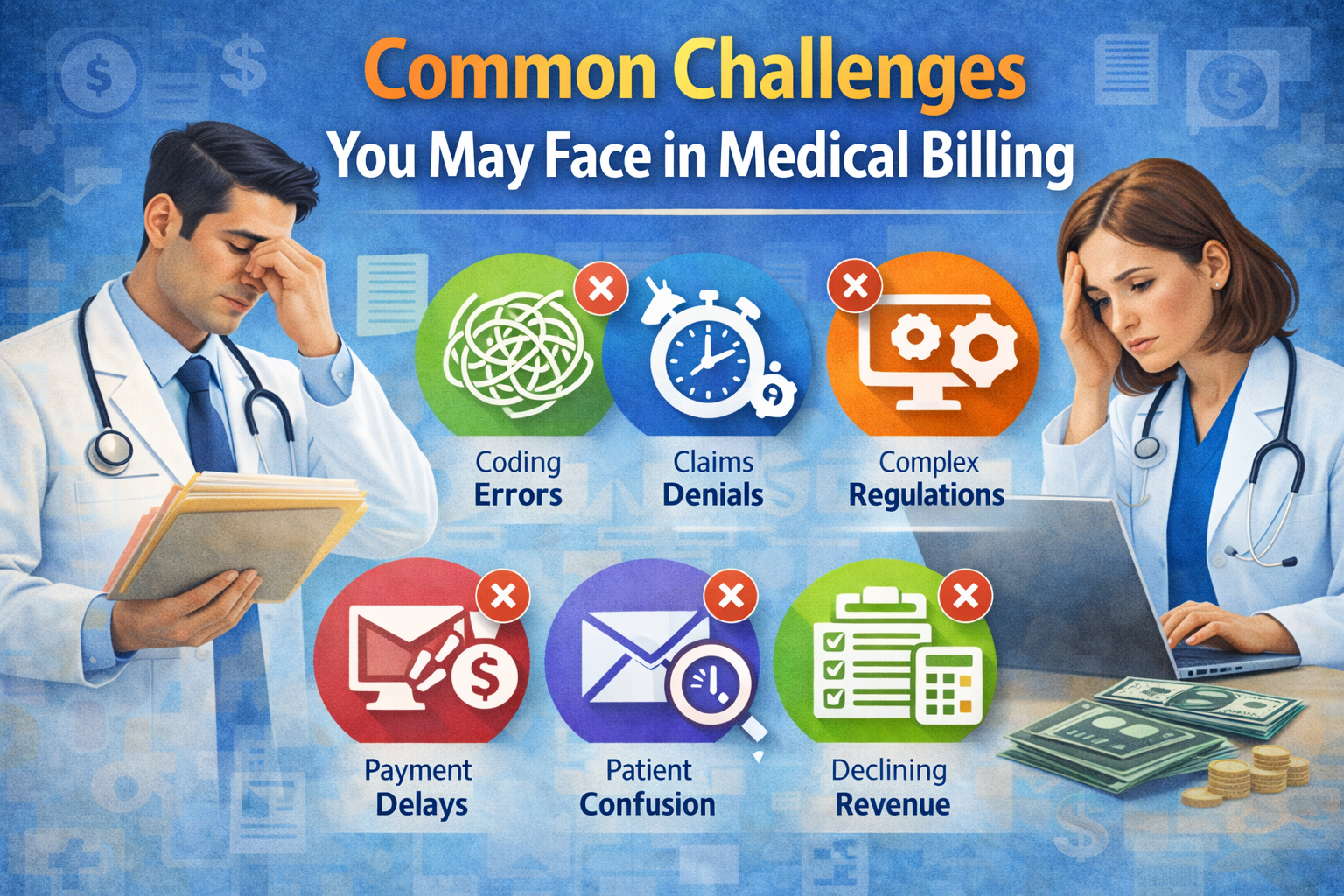
Data Silos and Interoperability
One common challenge is poor communication between LIS, EMR, and billing systems. Choosing a platform with HL7/FHIR compatibility helps bridge these gaps and ensures seamless data flow.
Staff Resistance to New Systems
Transitioning to new software can meet resistance. Clear communication, proper training, and phased implementation ease the change process and build staff confidence.
Regulatory Complexity
Labs must navigate changing rules around medical necessity, documentation, and coding standards. Integrated systems should be equipped with compliance checks and real-time updates to mitigate risks.
The Role of Professional Laboratories Coding
As part of a comprehensive integration plan, Professional Laboratories Coding plays a vital role in ensuring that all lab procedures are properly documented and translated into billable codes. Proper coding not only supports compliance but also ensures accurate and timely reimbursement.
Trends in Laboratory Billing and Coding
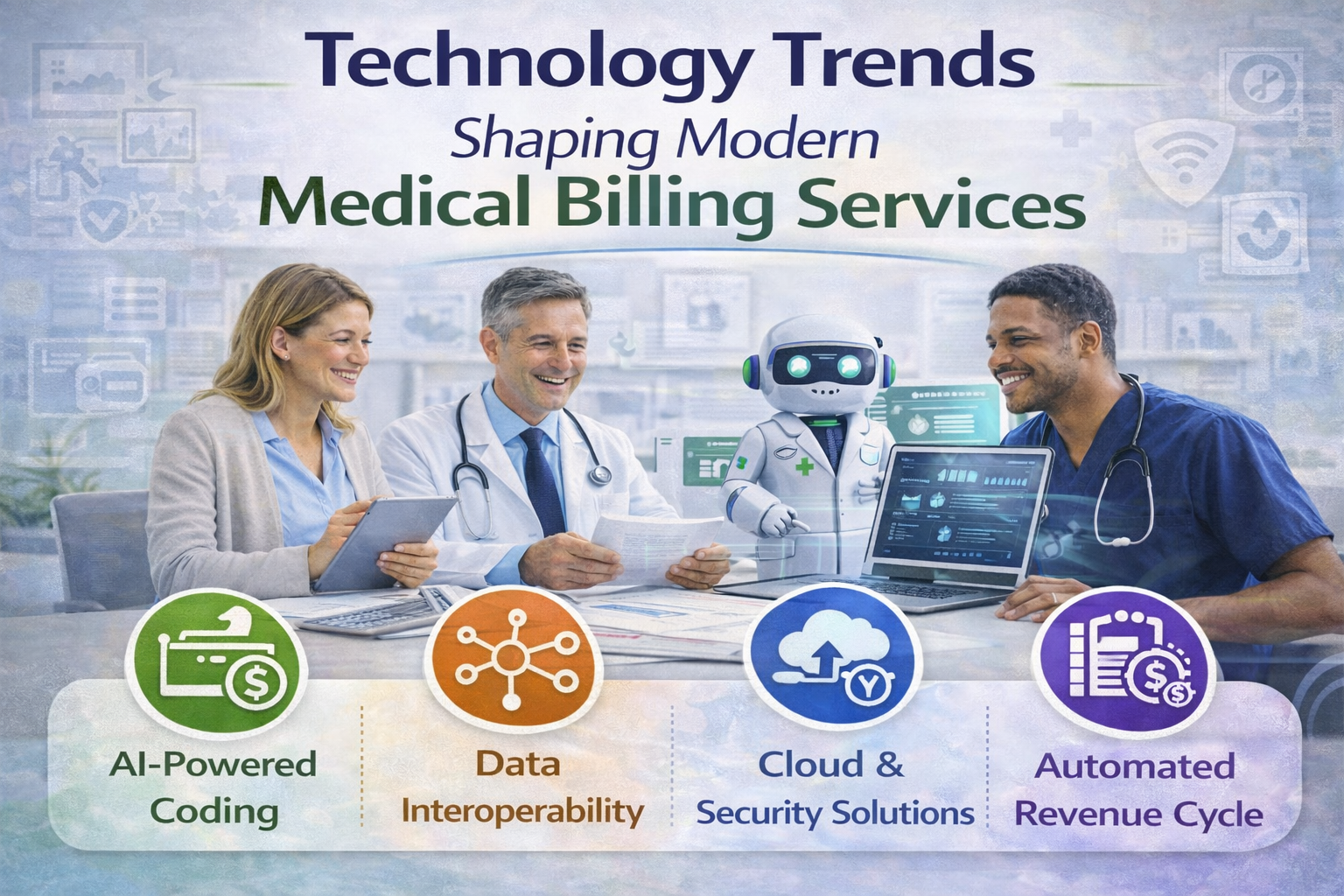
Artificial Intelligence (AI) and Machine Learning
Advanced AI tools are being used to analyze coding patterns, detect anomalies, and optimize claims. These technologies significantly improve speed and accuracy in billing workflows.
Cloud-Based Billing Platforms
More labs are adopting cloud-based platforms for scalability, accessibility, and data security. These platforms facilitate real-time collaboration across departments and locations.
Patient-Centric Billing Models
There is a growing emphasis on transparency in patient billing. Integrated systems now offer self-service portals, upfront cost estimations, and flexible payment options to enhance patient satisfaction.
Recommended Approach for Labs Seeking Integration
If your lab is looking to improve billing outcomes, start with a comprehensive needs assessment. Identify the existing gaps between your LIS, EMR, and billing software. From there, choose a billing solution that offers integration, automation, and compliance features.
For example, RCM Experts offers tailored consulting and technology solutions for labs aiming to optimize their billing infrastructure. Their support helps reduce A/R cycles, prevent denials, and improve collections.
Conclusion
As laboratory operations become more complex, the integration of billing and coding systems is no longer optional—it’s essential. From reducing claim denials to improving regulatory compliance, effective integration enhances every facet of a lab’s financial and operational performance.
By following the practical tips outlined above—like automating tasks, training staff, and conducting regular audits—labs can stay competitive in an increasingly data-driven healthcare ecosystem. For those seeking expert support, there are firms specializing in Medical billing services in USA that can provide valuable tools and guidance to ensure success.
Whether you manage a small independent lab or a multi-location diagnostic center, optimizing your billing and coding processes is an investment in long-term sustainability and growth.