





When you think about wooden flooring, what usually comes to mind? Most people imagine the color, finish, or pattern of the planks. While these design elements are important, there’s another factor that plays a huge role in how your flooring will perform over time: thickness.
At first glance, thickness may seem like just a number on a specification sheet. But in reality, it directly influences durability, comfort underfoot, sound insulation, and even how long your floor will last. Whether you’re considering laminate, engineered wood, solid hardwood, or bamboo flooring, understanding thickness helps you make smarter choices that fit both your lifestyle and budget.
Why Does Thickness Matter?
Think of thickness as the foundation of strength. Just like a sturdy wall needs a solid base, flooring relies on its thickness to handle everyday wear and tear. A thicker plank tends to feel more stable, resists damage better, and provides a more premium underfoot experience.
Beyond durability, thickness also affects practical aspects like:
- Acoustics – Thicker planks reduce the hollow “click” sound often associated with thinner laminate.
- Comfort – You’ll feel more cushioned support underfoot.
- Heat and Cold – Thick flooring expands and contracts less, staying stable across seasons.
- Resale Value – Buyers often associate thicker wood floors with quality and longevity.
Common Thickness Options in Wooden Flooring
Different types of wooden flooring come with different thickness standards. Here’s a quick breakdown:
- Laminate Flooring: Usually 7mm, 8mm, 10mm, or 12mm. An 8mm plank is often enough for most homes, but 12mm laminate feels sturdier and quieter underfoot.
- Engineered Wood Flooring: Typically ranges from 12mm to 18mm. What’s crucial here is the top veneer layer. A thicker veneer (3–6mm) means you can sand and refinish the floor multiple times, extending its life.
- Solid Hardwood: Usually 18mm to 25mm thick. These floors are built to last for decades and can be sanded many times over their lifespan.
- Bamboo Flooring: Often between 10mm and 15mm. Bamboo combines eco-friendliness with surprising strength.
Thickness vs. Density: The Hidden Factor
Things get interesting here: thickness is important, but it’s not the whole story. The density of the core material is just as critical.
For example, a 12mm hybrid laminate with a dense 1100 kg/m³ core can outperform a 14mm plank made of weaker material. That means you shouldn’t just chase numbers. Instead, compare thickness and density to judge real strength and stability.
Matching Thickness to Your Space
Not every room needs the thickest, most premium plank. The smart move is to match thickness to how you use the space:
- Living Rooms & Family Areas: Medium thickness (12–14mm engineered or laminate) offers a balance of comfort and durability.
- High-Traffic Zones (hallways, offices, retail): Go for thicker boards (18–20mm engineered or hardwood) to withstand heavy footfall.
- Bedrooms: Since wear is minimal, thinner planks (8–12mm) are usually fine.
- Outdoor Decking & Patios: These need heavy-duty solutions—20mm+ thickness combined with weather-resistant cores for lasting performance.
Busting the “Thicker Is Always Better” Myth
It’s easy to assume that thicker flooring automatically equals higher quality. While thickness does contribute to durability, other elements—like material type, locking system, installation quality, and protective coatings—play equally important roles.
In fact, many modern hybrid and bamboo floors achieve exceptional strength at moderate thickness because of advanced manufacturing techniques. This is why it’s always wise to compare technical specifications and not rely on thickness alone.
Cost Considerations
Thicker planks usually come with a higher price tag. But it’s worth weighing this cost against the return on investment. For example:
Paying more for thicker engineered wood means you’ll be able to sand and refinish it, extending its life by decades.
On the other hand, if you’re planning to renovate again in 10 years, a mid-range thickness could save money without sacrificing too much longevity.
The trick is to align thickness with both your budget and long-term plans for the space.
Final Thoughts
Wooden flooring is an investment in both beauty and function. While color and design catch the eye, it’s the unseen detail—thickness—that determines how your floors will perform day after day.
Choosing the right thickness isn’t about simply picking the thickest option. It’s about balancing strength, comfort, acoustics, and cost for your unique lifestyle. By understanding these factors, you’ll end up with a floor that not only looks stunning on day one but continues to deliver joy, warmth, and reliability for years to come.
So the next time you’re evaluating wooden flooring samples, don’t just admire the finish—flip them over, check the thickness, and make a choice that truly fits beneath your feet.
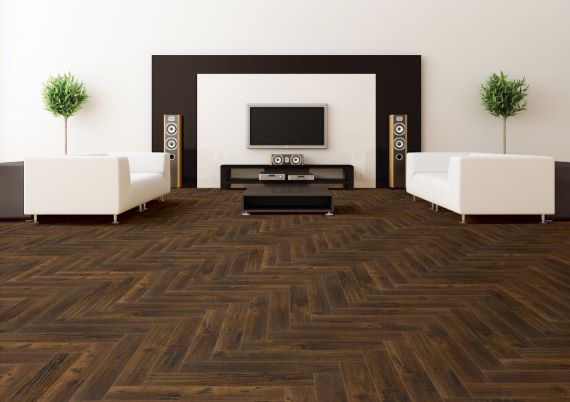
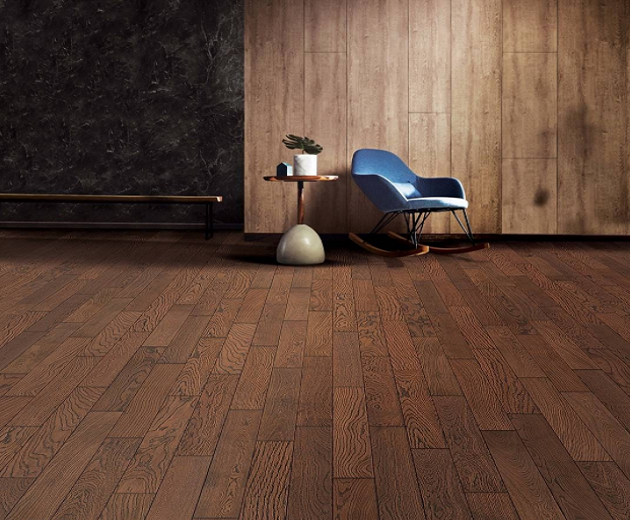
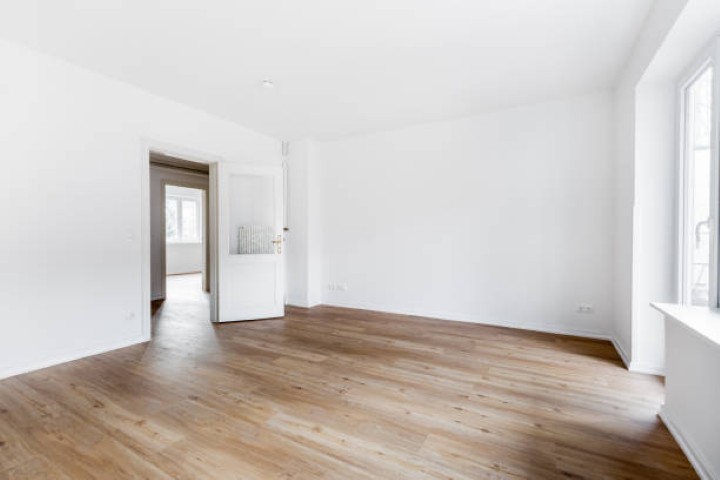
Engineered wood flooring is made up of a veneer of wood that has been glued to a number of layers beneath including plywood.
This provides this wood with great durability over time.
Durability This wood is sturdy and is a good choice for every room of your home.
It also holds up better to humidity than hardwood.https://uniquewoodproducts.com/Unique Wood Products9915 Tanner Road, Houston TX 77041713-462-5045