





Being diagnosed with chronic myeloid leukemia (CML) used to come with a grim outlook. Today, that’s no longer the case. Thanks to medical advancements, especially in precision medicine, patients now have real hope for a long and fulfilling life. At the heart of this transformation lies a class of medications that targets the disease at its roots, reshaping what long-term cancer care looks like.
How These Medications Target Cancer at Its Core
Tyrosine kinase inhibitors (TKIs) work differently from older cancer treatments. Instead of broadly killing cells, they lock onto a specific enzyme that fuels the growth of leukemia cells. This enzyme, called BCR-ABL, results from a genetic mutation commonly found in people with CML. By blocking this enzyme’s activity, TKIs effectively halt the uncontrolled cell division that defines leukemia.
One of the most commonly prescribed TKIs is Imatinib, which has been the foundation of frontline therapy for many years. Its targeted mechanism makes it a well-tolerated option for long-term use, especially in patients diagnosed during the chronic phase of the disease.
This targeted action limits damage to healthy cells, which is a major advantage. It not only reduces side effects but also improves overall quality of life. Most patients show a positive response, especially during the early phases of the disease. Over time, deep molecular remission is possible, which significantly lowers disease activity in the blood and bone marrow.
Consistency Matters in Long-Term Treatment
Managing CML isn’t about a quick fix. Long-term success depends on continuous and consistent use of therapy. Skipping doses or stopping treatment without medical advice can allow the cancer to come back or become resistant. That’s why adherence is critical.
In clinical practice, patients who stick to their prescribed medication schedules are more likely to maintain remission. Regular blood tests help monitor progress and ensure the medication is doing its job. Doctors often adjust doses based on response and any side effects a patient might experience.
Some patients in India are prescribed Imatishiv 400mg, a generic version, which offers a more affordable option without compromising therapeutic value. Its availability has made effective treatment accessible to a broader population, especially in government and NGO-supported healthcare programs.
For many individuals, sticking with their treatment plan becomes a part of daily life, much like managing any other chronic condition. This commitment can last for years, but the benefits are significant. Even when the disease is under control, stopping treatment without guidance can risk relapse. That’s why structured care plans and patient education are essential.
What Happens When Resistance Develops?
Despite excellent results, not all patients respond the same way. Over time, some may develop resistance to their current medication. This happens when the leukemia cells mutate again and become less sensitive to treatment.
In such cases, healthcare providers may perform additional tests to determine the cause. Genetic sequencing can identify the type of mutation and help doctors choose the next best option. Switching to a different TKI can often overcome this resistance. Thankfully, several options are now available, offering flexibility and hope.
These alternatives are specially formulated to address common resistance mutations and are used as second-line or third-line treatments when the first choice no longer works. Early detection of resistance plays a major role in keeping the disease under control.
Doctors also consider switching to newer anti-cancer medicines that are better suited to overcome resistance in complex cases. These medications are designed to bind more effectively to mutated enzymes and continue controlling cell growth.
Impact on Quality of Life and Daily Routine
Modern treatment strategies are designed with quality of life in mind. Since these medications are often taken orally at home, they offer more independence compared to older therapies that required hospital visits. Patients can continue with their daily activities, work, and family responsibilities without major disruption.
That said, long-term use does come with side effects. Some people experience fatigue, nausea, skin rashes, or muscle cramps. Most of these are manageable and tend to lessen over time. In some cases, supportive medicines or a change in dosage can help improve comfort without compromising results.
Patients often find that they can return to hobbies, travel, and work with some adjustments. Over time, many learn to listen to their bodies and make healthy lifestyle choices that support their treatment goals.
New Developments in Treatment and Monitoring
The future of CML treatment is moving toward even more personalized care. Advances in genetic testing and molecular monitoring allow doctors to fine-tune therapies based on individual patient needs.
Some newer options are being explored for patients who achieve deep remission. In carefully selected cases, treatment discontinuation may be possible under close supervision. This approach, called treatment-free remission (TFR), offers patients the chance to live without ongoing medication while still being monitored for relapse.
Patients eligible for TFR must meet strict criteria. They usually need to show sustained molecular response for at least two years and commit to frequent follow-up testing. While not suitable for everyone, TFR provides an important glimpse into future care models focused on minimizing lifelong medication exposure.
Takeaways
Living with CML today is very different from what it was two decades ago. The introduction of targeted therapies has dramatically improved outcomes. With consistent treatment, close monitoring, and the right support, long-term control is achievable. Advances continue to bring new hope, making it possible for patients to live not just longer but better.




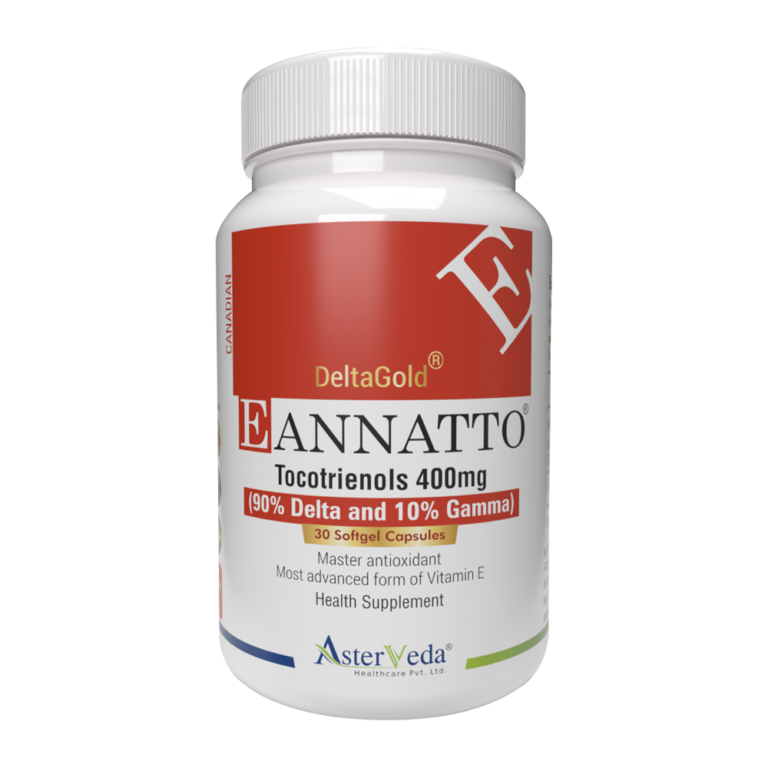
Chemoprevention by tocotrienol 400mg : Buy online Delta Gold tocotrienols 400mg with Anticancer Properties Of Tocotrienol 400 mg contains 90 % Delta Gold Tocotrienols and 10% Gamma | Eannatto.in