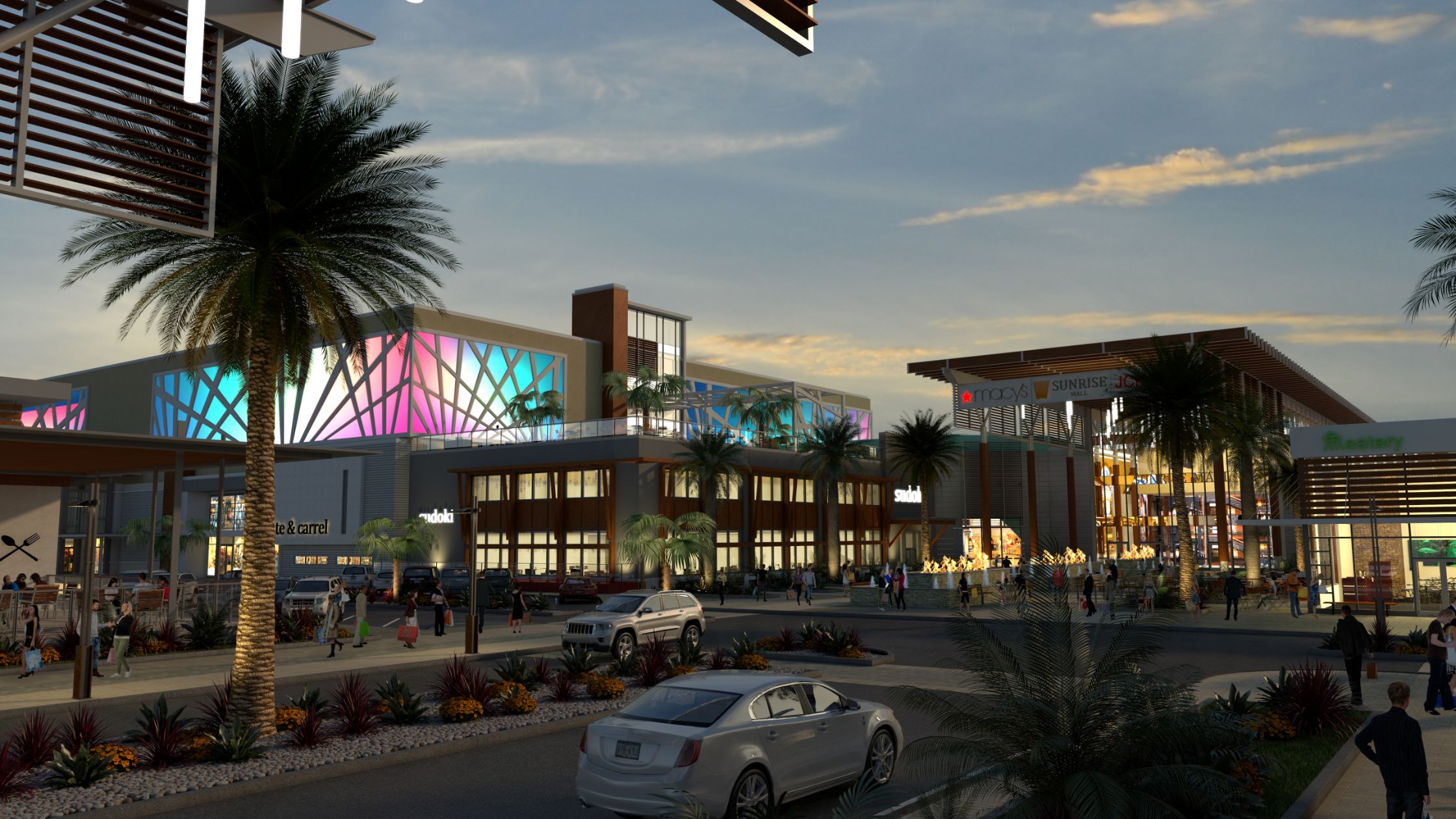
Shopping center architecture design has evolved significantly over the past few decades, shifting from purely functional layouts to immersive experiences that engage visitors and encourage them to spend more time on-site. For Dalpos Architects and Integrators, designing these spaces is not just about creating buildings. It is about crafting destinations that balance commercial goals with community appeal.
Understanding Shopping Center Architecture Design
At its core, shopping center architecture design involves the planning, conceptualizing, and execution of retail spaces that cater to both the practical needs of retailers and the experiential demands of consumers. It takes into account foot traffic flow, visibility of storefronts, safety regulations, accessibility, and aesthetics. The design also integrates landscaping, lighting, signage, and environmental factors to create a cohesive environment.
Dalpos Architects and Integrators approach this discipline with a deep understanding of how architecture influences consumer behavior. They ensure that every element, from parking layout to interior navigation, contributes to a seamless and enjoyable experience for visitors.
Why Do Modern Shopping Centers Demand More Thoughtful Design?
Today’s shoppers expect more than just a place to purchase goods. They want an environment where they can dine, socialize, and explore. This means shopping center designs must include mixed-use components such as entertainment venues, wellness spaces, outdoor seating areas, and community gathering spots.
Dalpos Architects and Integrators address this shift by designing centers that function as lifestyle hubs. Their plans consider pedestrian-friendly pathways, intuitive signage, and strategic tenant placement to create a natural flow of activity throughout the site. By doing so, they help property owners maximize visitor engagement and retention.
How Does It Differs from Traditional Retail Development?
Traditional retail developments often focused on maximizing leasable space with little emphasis on experience. The goal was straightforward: fit as many tenants as possible into the available area. Modern shopping center architecture flips this approach, prioritizing open spaces, communal areas, and multi-functional zones that foster interaction.
Dalpos Architects and Integrators specialize in integrating these modern principles without sacrificing commercial viability. They design layouts that balance tenant diversity, optimize visibility, and incorporate sustainable building practices, ensuring projects are future-ready.
Dalpos Architects and Integrators’ Approach to Shopping Center Design
The firm’s design process begins with in-depth market analysis and community research. This helps them understand the demographics, lifestyle patterns, and expectations of the local population. From there, they develop design concepts that align with the client’s business goals while enhancing the visitor experience.
Key aspects of their approach include:
Sustainable and resilient materials that lower maintenance costs and improve environmental performance.
Flexible spaces that can be adapted for seasonal events or pop-up shops.
Seamless integration of indoor and outdoor areas to create inviting, year-round environments.
Advanced technology incorporation such as interactive directories, energy-efficient lighting, and smart building systems.
Their designs are not just about visual appeal. They focus on creating an architectural narrative that reflects the identity of the shopping center and the community it serves.
Balancing Aesthetics and Functionality
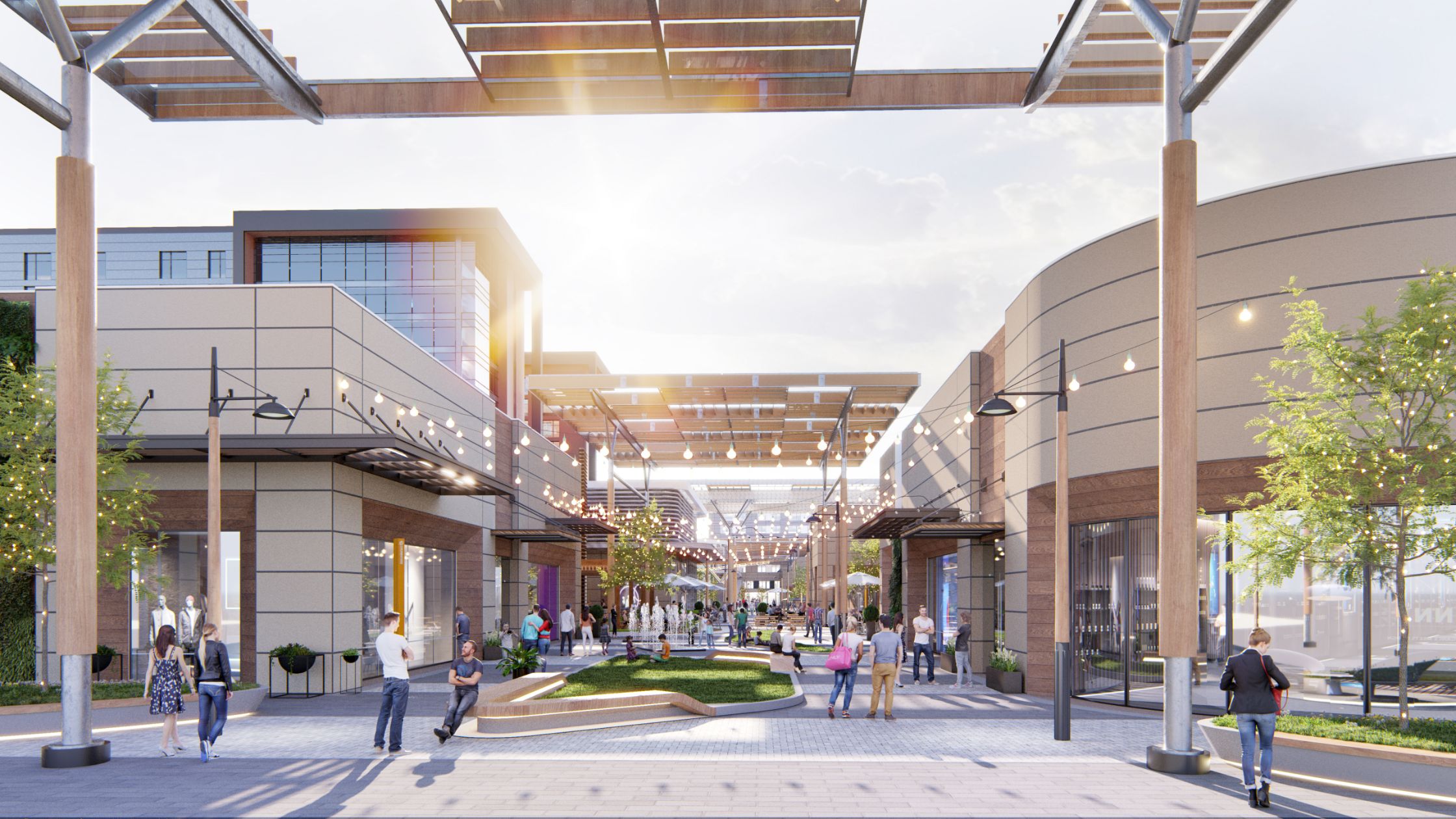
A well-designed shopping center must look appealing while functioning efficiently. Dalpos Architects and Integrators strike this balance by using design elements that enhance both form and function. Wide walkways improve accessibility and prevent congestion, while natural light and open sightlines create a more inviting atmosphere. Landscaping is used not just for beauty but also to guide visitors and define zones within the space.
The Future of Shopping Center Design
As consumer habits continue to evolve, shopping centers will need to adapt. The future points toward more integration of technology, eco-friendly designs, and experiential elements. Dalpos Architects and Integrators are already embracing these trends, creating spaces that are not only commercially successful but also socially and environmentally responsible.
In a Crux
Shopping center architecture design is no longer about constructing a place to shop. It is about building a destination that draws people in, keeps them engaged, and leaves a lasting impression. Dalpos Architects and Integrators understand this shift and bring a unique blend of creativity, technical expertise, and market insight to every project.
For property developers, retailers, and investors looking to create impactful and profitable retail environments, Dalpos Architects and Integrators offer the expertise to bring that vision to life. Connect with them today to explore how innovative design can redefine your shopping center’s success.

All in all, this word to promote the online store does not mean anything yet.
Even if it is recognizable and known, you will still have nothing of it.
That’s why you have to consider whether to advertise your online store in general or the products in the shop, or the squeezer website itself, in order to attract potential customers.
When you advertise your online store in general, when someone enters the shop’s website with a general phrase on which you advertised the shop is not yet determined for a specific product.
On this page you have to give him something, a report, a free course so that he will give you his e-mail address.
The effectiveness of this method is very good.