


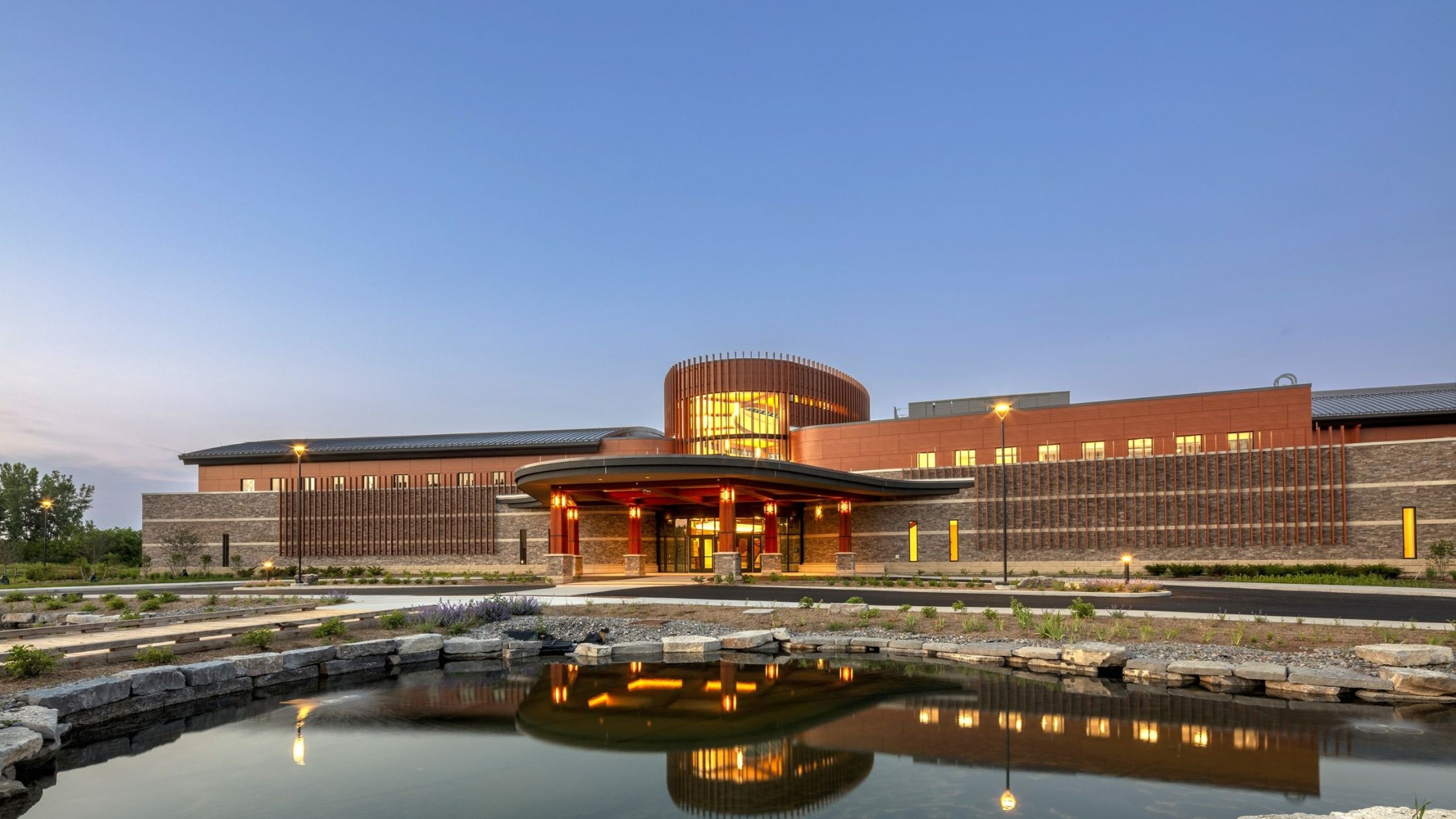
Urban development is undergoing a fundamental shift. As cities grow denser and lifestyles become more interconnected, commercial spaces are no longer expected to serve a single purpose. Mixed use commercial developments have emerged as a practical and future focused response to this change. By integrating multiple commercial functions within one unified development, these projects create efficient, active, and economically resilient environments. Dalpos Architects and Integrators has been actively shaping this evolution through design strategies that balance functionality, experience, and long term value.
Mixed use commercial developments are designed to support the way people live and work today. Instead of separating offices, retail zones, and leisure destinations across different parts of a city, these developments bring them together into a cohesive ecosystem. This integration not only improves convenience but also strengthens the overall urban fabric.
Understanding Mixed Use Commercial Developments
Mixed use commercial developments combine different commercial activities such as office spaces, retail outlets, dining areas, and entertainment zones within a single planned project. The objective is not simply to place multiple functions side by side, but to ensure that each component complements the others.
Dalpos Architects and Integrators approach these developments with a systems based mindset. Spatial planning, circulation, and shared infrastructure are carefully aligned so that users can move effortlessly between different zones. This level of integration helps avoid congestion, confusion, and operational conflicts while enhancing the overall user experience.
Why Mixed Use Developments Are Gaining Importance?
The growing demand for mixed use commercial developments is closely tied to changing urban behavior. People now seek destinations that offer more than one reason to visit. Workplaces need proximity to amenities, retail spaces benefit from consistent foot traffic, and leisure zones thrive when integrated into daily routines.
A few driving factors include
- Increasing pressure on urban land and infrastructure
- Evolving work cultures that prioritize flexibility
- Consumer preference for experience driven environments
Dalpos Architects and Integrators recognizes that these developments must remain active throughout the day. By designing spaces that support continuous use, the firm helps create commercial hubs that feel lively, safe, and economically sustainable.
Architectural Planning And Design Complexity
Designing mixed use commercial developments requires a higher level of architectural coordination. Each function has its own technical and spatial requirements, yet all must exist within one cohesive structure or campus. Noise control, privacy, access management, and service integration must be addressed without compromising design quality.
Dalpos Architects and Integrators manages this complexity through early stage planning and close collaboration between design and integration teams. User flow patterns are carefully studied to separate private and public movement where necessary while still maintaining visual and spatial connectivity. This approach ensures that offices remain efficient, retail areas stay accessible, and leisure spaces feel inviting.
Enhancing User Experience Through Integrated Spaces
User experience plays a central role in the success of mixed use commercial developments. These projects must feel intuitive, comfortable, and engaging for a wide range of users. From employees and shoppers to visitors and service staff, every interaction with the space matters.
Dalpos places strong emphasis on public and shared areas that act as connectors between different functions. Atriums, plazas, and circulation corridors are designed as active spaces rather than transitional zones. Thoughtful lighting, material continuity, and spatial proportions help maintain a consistent identity while allowing each function to express its own character.
Commercial Value And Long Term Adaptability
Mixed use commercial developments offer strong economic advantages by diversifying revenue streams and increasing overall asset resilience. Developments that combine multiple uses are better positioned to adapt to market changes and shifting user needs.
Dalpos Architects and Integrators designs with flexibility in mind, allowing spaces to evolve over time. Layouts are planned to support reconfiguration, ensuring that the development remains relevant well into the future. This adaptability not only benefits developers and investors but also supports sustainable urban growth.
Dalpos Architects and Integrators approach
Dalpos Architects and Integrators brings a holistic perspective to mixed use commercial developments. Each project begins with a deep understanding of the site context, market requirements, and client objectives. This insight informs design solutions that align commercial performance with architectural clarity.
By integrating architecture and execution under one vision, Dalpos ensures consistency from concept to completion. The result is mixed use commercial developments that are efficient, engaging, and built for long term success.
Summing Up
Mixed use commercial developments are redefining how cities function by bringing together work, commerce, and leisure within integrated environments. When thoughtfully designed, they create vibrant destinations that benefit businesses, communities, and urban infrastructure alike. Dalpos Architects and Integrators continues to deliver mixed use commercial projects that respond to modern demands while remaining adaptable for the future.
Connect with Dalpos Architects and Integrators to transform your vision into a strategically planned, high performing urban destination.
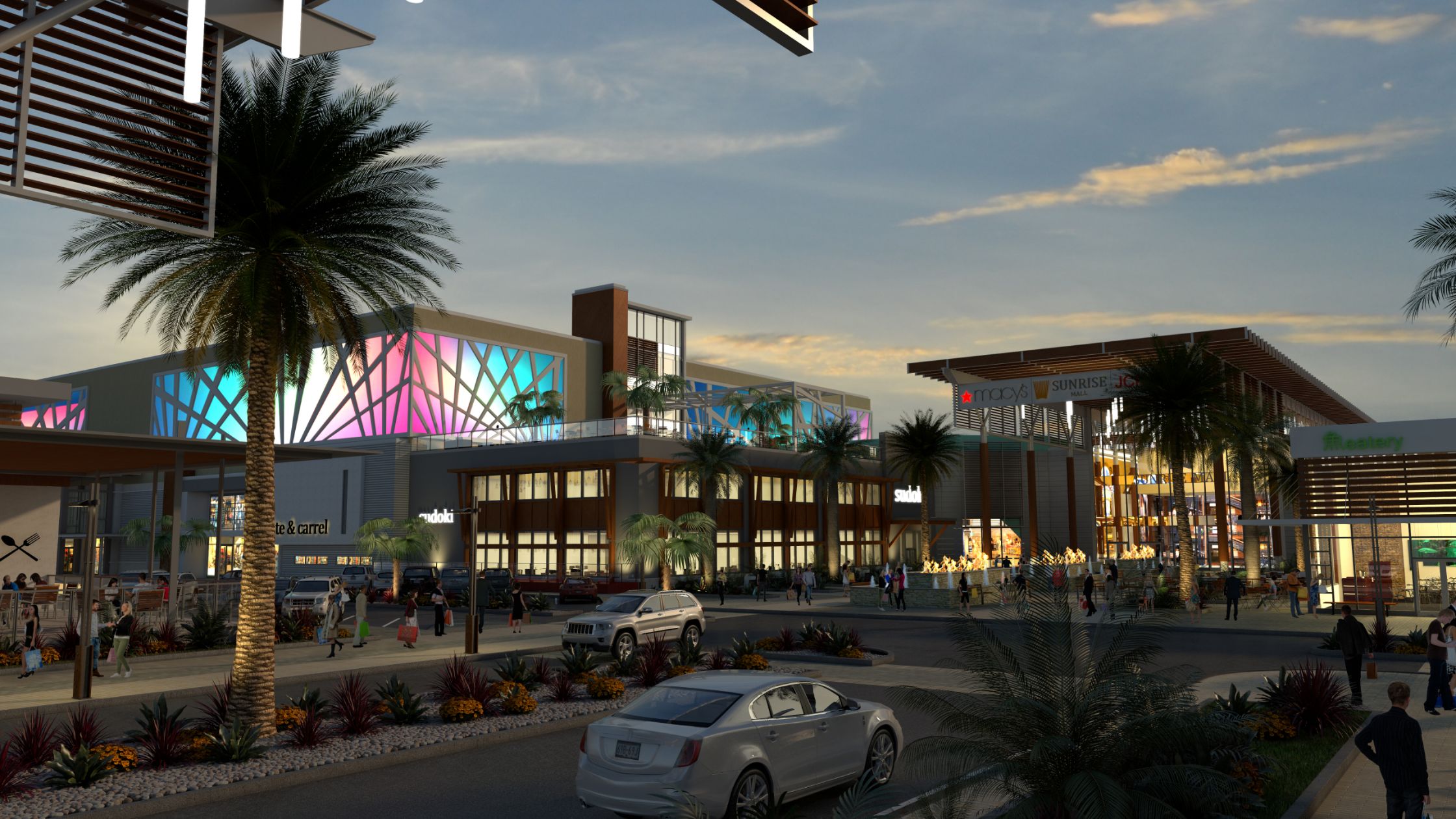
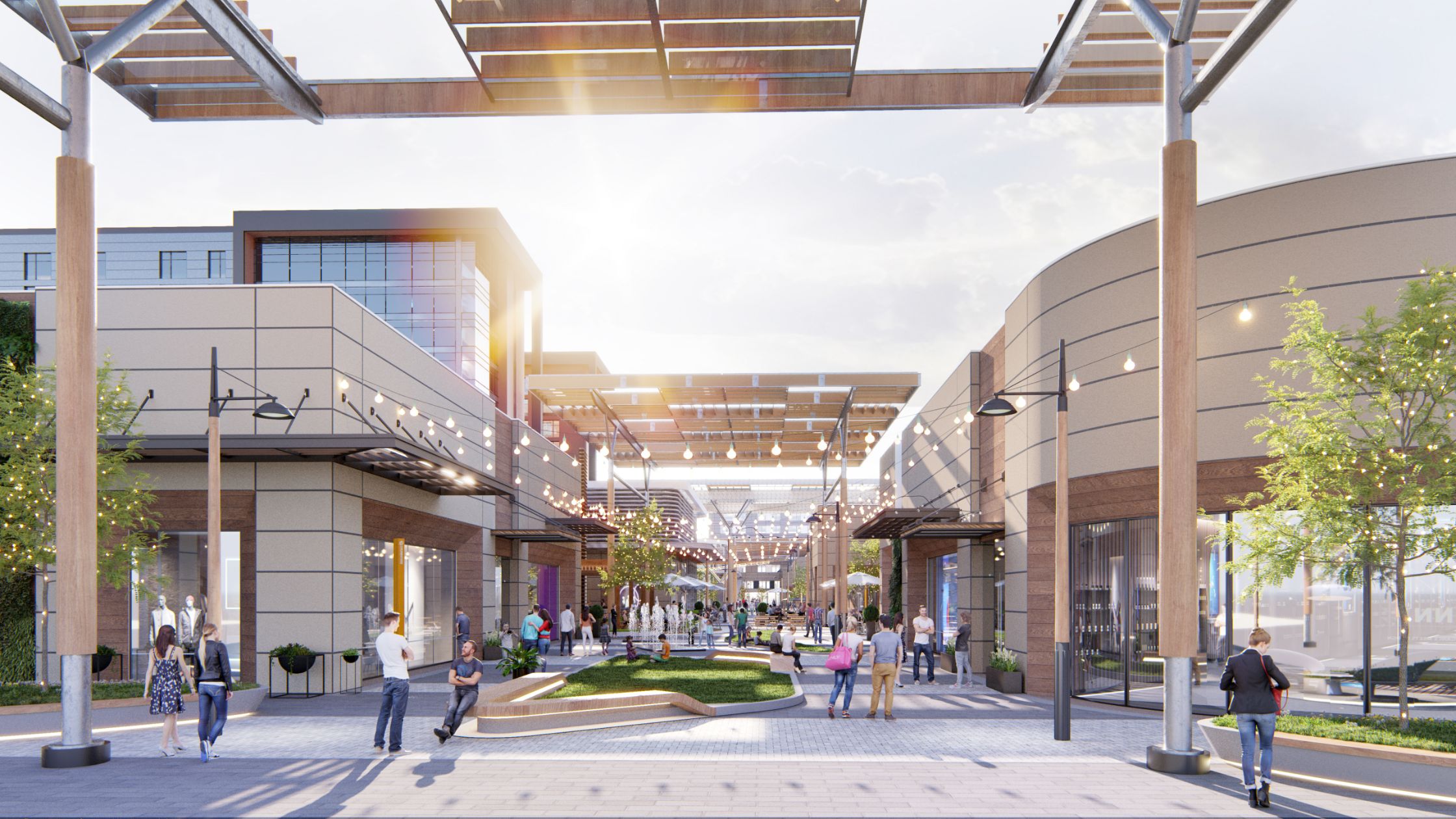
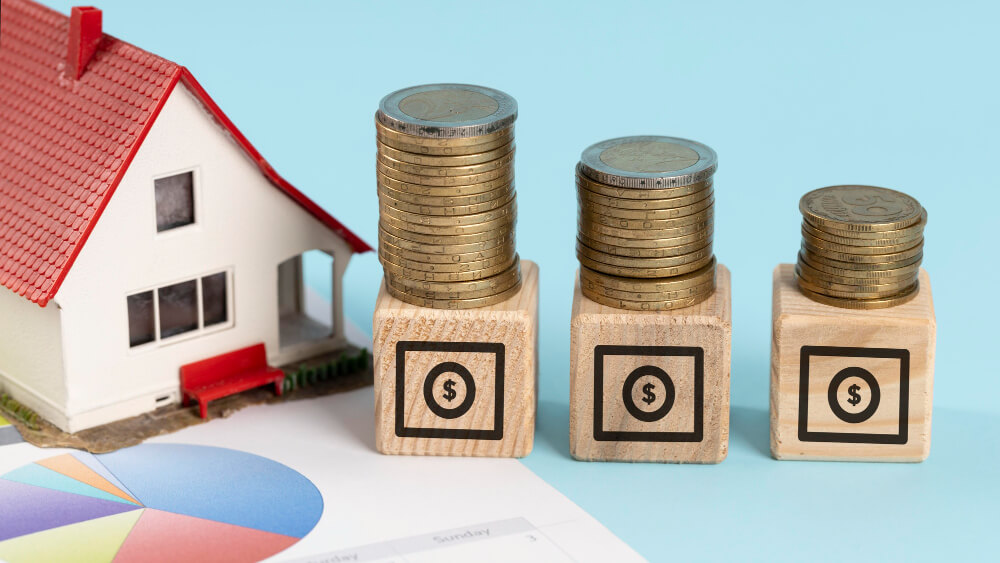
Explore and download free high-quality Commercial Use clipart and free SVGs from Pretty Grafik.
All Commercial Use clip art images are transparent background and free to download.
Get a custom graphic design of a clipart illustration (or more) including all the commercial rights to the clipart illustration(s).
Get high-quality INSTANT DOWNLOAD digital clipart, papers, printables, stamps, and vector clipart for personal and small commercial use projects.