Every day, drivers and pedestrians share the road in a delicate balance that requires mutual awareness, respect, and responsibility. As a driver, you hold the power to protect the most vulnerable road users - pedestrians who lack the protective barrier of a vehicle. Understanding your role in pedestrian safety isn't just about following traffic laws; it's about developing a mindset that prioritizes human life and prevents tragic accidents that can be avoided with proper awareness and defensive driving techniques.
Understanding Pedestrian Vulnerabilities and Driver Responsibilities
The Reality of Pedestrian-Vehicle Accidents
Pedestrian fatalities have been rising in recent years, with most accidents occurring in urban areas during evening hours. Unlike vehicle occupants, pedestrians have no protection against the force of impact, making even low-speed collisions potentially fatal. Understanding these statistics helps drivers recognize the critical importance of their vigilance and careful driving habits around pedestrians.
Legal and Moral Obligations
Drivers have both legal responsibilities and moral obligations to protect pedestrians. Most jurisdictions require drivers to yield the right-of-way to pedestrians in crosswalks and to exercise due care to avoid colliding with any pedestrian on the roadway. However, your responsibility extends beyond mere legal compliance to encompass a genuine commitment to protecting human life.
High-Risk Scenarios and Locations
Certain situations and locations present elevated risks for pedestrian accidents. School zones, shopping centers, residential neighborhoods, and downtown areas typically see higher pedestrian traffic. Weather conditions, time of day, and seasonal factors also influence pedestrian visibility and behavior patterns that drivers must anticipate.
Developing Enhanced Awareness and Observation Skills
Scanning Techniques and Visual Awareness
Develop systematic scanning habits that extend beyond just looking for other vehicles. Regularly check sidewalks, crosswalks, and the spaces between parked cars where pedestrians might emerge unexpectedly. Use your peripheral vision effectively and make it a habit to look twice before proceeding through intersections or making turns.
Recognizing Pedestrian Behavior Patterns
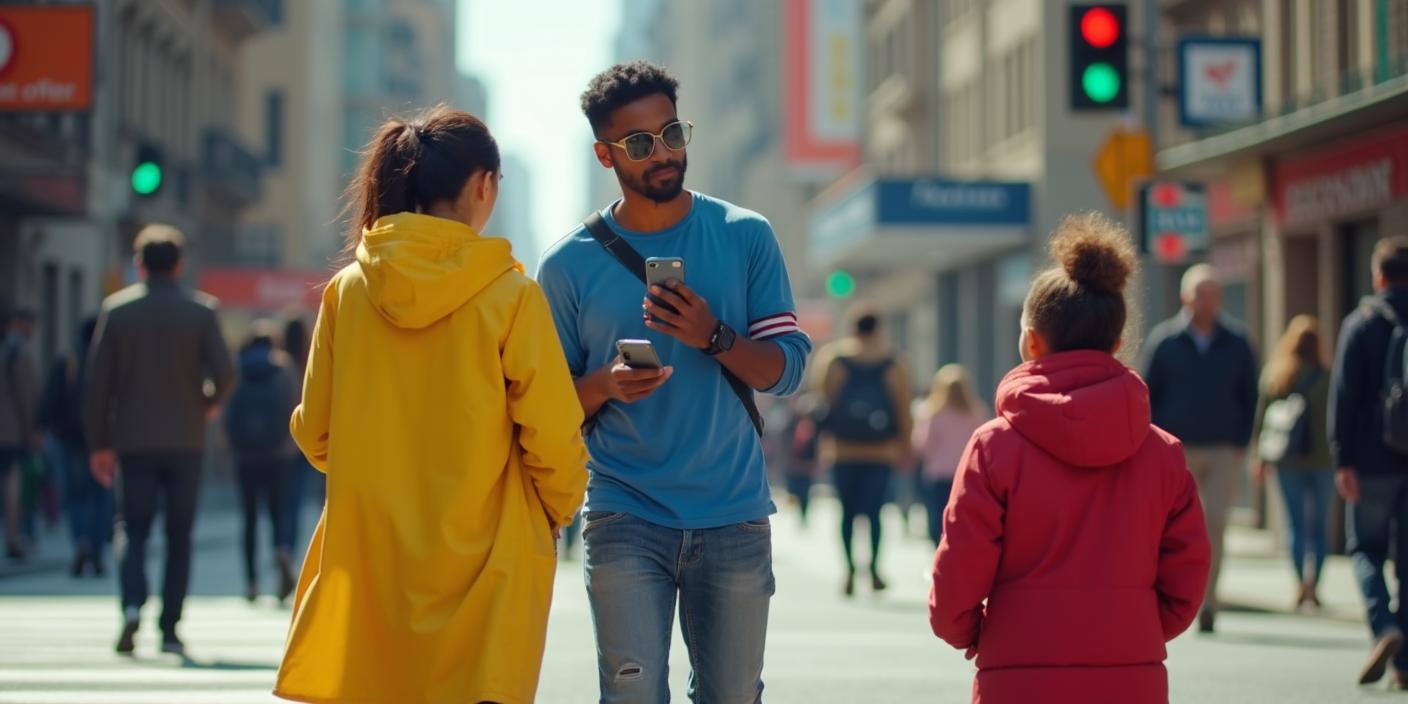
Learn to read pedestrian body language and anticipate their movements. Children often act unpredictably, elderly pedestrians may move more slowly, and distracted pedestrians using phones may not be aware of traffic. Understanding these behavioral patterns helps you prepare for sudden movements or hesitation.
Technology and Blind Spot Management
Modern vehicles often have larger blind spots due to design features. Adjust your mirrors properly and consider blind spot monitoring systems if available. When backing up or changing lanes, remember that pedestrians can be hidden in areas your mirrors don't cover. Take extra time to physically check blind spots, especially in parking lots and residential areas.
Speed Management and Safe Driving Practices
Speed Reduction in Pedestrian Areas
Reduce your speed in areas with high pedestrian activity, regardless of posted speed limits. Lower speeds provide more reaction time and significantly reduce the severity of injuries if a collision occurs. A pedestrian struck at 20 mph has a 95 % chance of survival, while that drops to 15% at 40 mph.
Intersection Safety Protocols
Approach all intersections with heightened caution, even when you have the right-of-way. Come to complete stops at stop signs and look for pedestrians who may be crossing or preparing to cross. When turning, yield to pedestrians in crosswalks and scan for those who might enter your path.
Weather and Lighting Considerations
Adjust your driving behavior for conditions that reduce visibility or affect pedestrian behavior. In rain, snow, or fog, reduce speed and increase following distance. During dusk and dawn hours when visibility is compromised, use headlights and be extra vigilant for pedestrians who may be difficult to see.
Crosswalk Etiquette and Right-of-Way Rules
Proper Crosswalk Behavior
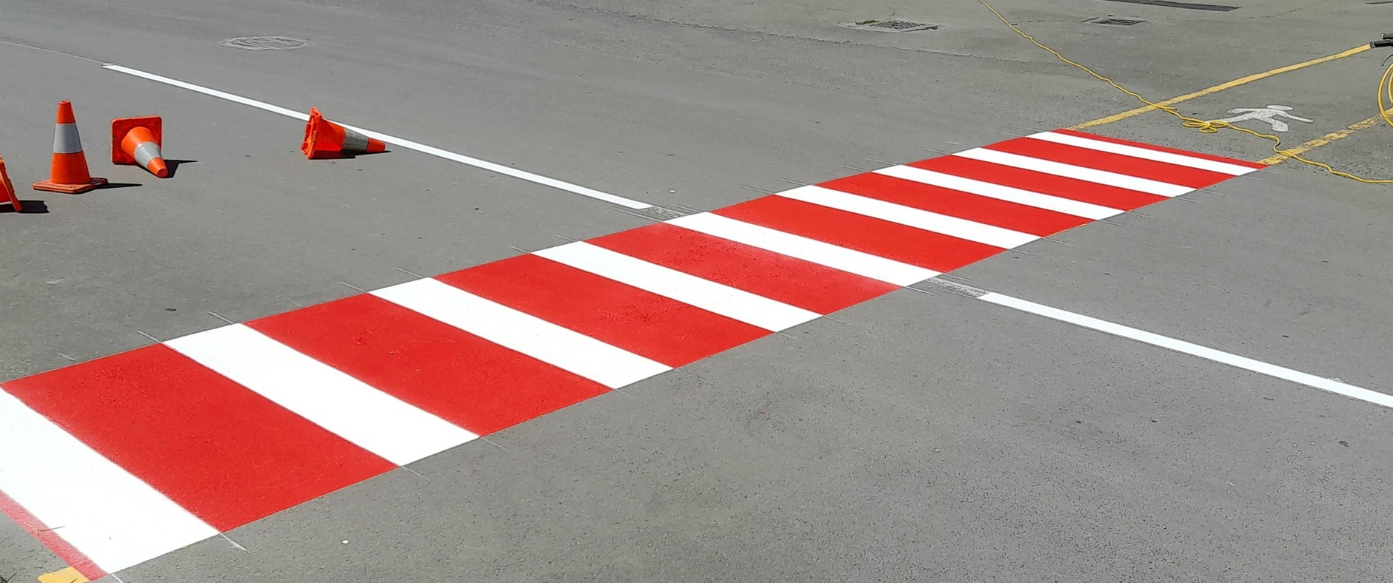
Always yield to pedestrians in marked crosswalks, but also watch for pedestrians crossing at unmarked intersections where they may have legal right-of-way. Stop completely before the crosswalk line, not in the crosswalk itself. Be patient and allow pedestrians to completely cross before proceeding.
Understanding Right-of-Way Laws
Familiarize yourself with local right-of-way laws, as they can vary by jurisdiction. Generally, pedestrians have the right-of-way in crosswalks and at intersections, but they also have responsibilities to cross safely and follow traffic signals. Understanding these laws helps you make appropriate decisions in complex traffic situations.
Communication with Pedestrians
Use appropriate signals to communicate with pedestrians when necessary. Make eye contact to ensure they see you, use turn signals early to indicate your intentions, and be patient if pedestrians need extra time to cross. Avoid aggressive behaviors like honking or revving your engine, which can startle pedestrians and lead to accidents.
Special Circumstances and Vulnerable Populations
School Zones and Children
Exercise extreme caution in school zones and residential areas where children are present. Children are unpredictable and may dart into the street without warning. Reduce speed significantly in these areas and be prepared to stop suddenly. Remember that children are smaller and may be hidden behind parked cars or other obstacles.
Elderly and Disabled Pedestrians
Be patient with elderly pedestrians or those with disabilities who may need more time to cross streets. These pedestrians may move more slowly or have difficulty judging traffic speed and distance. Give them plenty of space and time, and never rush them by honking or making gestures.
Nighttime and Low-Visibility Situations
Pedestrians are much harder to see at night, especially those wearing dark clothing. Use your high beams when appropriate, but dim them for oncoming traffic. Be extra vigilant in areas without streetlights, and consider that pedestrians may not realize how difficult they are to see.
Remember that every pedestrian is someone's family member, friend, or loved one. By adopting these safety practices and maintaining constant awareness, you're not just following traffic laws – you're actively protecting lives and contributing to safer communities for everyone.