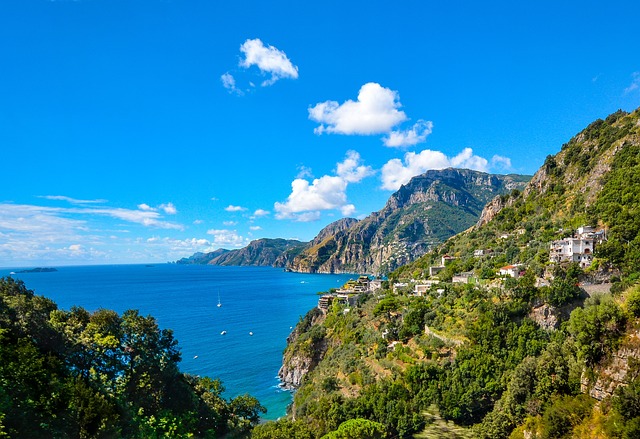
Perched majestically on clifftops overlooking the Bay of Naples, Sorrento captivates visitors with its dramatic coastal views, lemon-scented air, and authentic Italian charm. This enchanting town serves as an ideal base for exploring the Amalfi Coast, Pompeii, and the island of Capri, yet it maintains a peaceful atmosphere that sets it apart from more crowded tourist destinations. Whether you're seeking a romantic getaway, cultural immersion, or simply a tranquil Mediterranean retreat, understanding the practical aspects of accessing and enjoying Sorrento will transform your visit from ordinary to extraordinary.
Getting to Sorrento: Transportation Options and Access Routes
Arriving by Train from Naples
The Circumvesuviana train line offers the most economical and scenic route from Naples to Sorrento. Trains depart regularly from Naples' Garibaldi station, taking approximately 70 minutes through charming coastal towns and past Mount Vesuvius. While the trains are basic and often crowded during peak season, they provide an authentic local experience and eliminate parking concerns. Purchase tickets in advance during summer months and keep belongings secure as pickpocketing can occur on crowded trains.
Private Transfers and Shuttle Services
For a more comfortable arrival, private transfers or shared shuttles from Naples Airport or city center offer door-to-door service directly to your accommodation. This option is particularly valuable if you're arriving with heavy luggage or prefer avoiding crowded public transport. Pre-booking ensures fixed prices and eliminates language barriers, though costs are significantly higher than train travel.
Driving and Parking Considerations
Renting a car provides flexibility for exploring the broader region, but Sorrento's narrow streets, limited parking, and aggressive driving culture present challenges. If you choose to drive, book accommodations with parking facilities in advance, as street parking is scarce and often restricted. Consider picking up your rental car after settling in Sorrento rather than navigating arrival with a vehicle.
Ferry Connections and Coastal Access
During warmer months, ferries connect Sorrento to Naples, Capri, Positano, and Amalfi, offering both practical transportation and stunning coastal perspectives. The Marina Piccola harbor sits at the base of Sorrento's cliffs, accessible by elevator, steps, or bus. Ferry travel can be weather-dependent, so build flexibility into plans relying on boat connections.
Choosing the Right Neighborhood for Your Stay
Understanding Sorrento's District Characteristics
Sorrento's layout significantly impacts your experience, with each area offering distinct advantages for different traveler preferences. The town center pulses with activity, restaurants, and shopping, while peripheral areas provide quieter atmospheres with easier parking and often better value. To make an informed decision about where to stay based on your priorities, explore this comprehensive guide to Sorrento's neighborhoods, which details the unique character and amenities of each district.
Centro Storico: Heart of Historic Sorrento
The historic center offers maximum convenience with pedestrian-only streets, abundant dining options, and proximity to major sights. Accommodations here place you within walking distance of everything but come at premium prices and higher noise levels. Evening activity continues late into the night, which energizes some travelers while disturbing others seeking tranquility.
Marina Grande and Waterfront Areas
The fishing village of Marina Grande maintains an authentic, local atmosphere away from tourist crowds. This area requires climbing steep hills or taking frequent buses to reach the town center, but rewards visitors with excellent seafood restaurants, swimming access, and peaceful evenings. Consider this location if mobility isn't a concern and you value authentic coastal living.
Residential Neighborhoods and Outlying Areas
Staying in residential areas like Sant'Agnello or Piano di Sorrento offers quieter environments, easier parking, local markets, and lower prices while remaining accessible to Sorrento proper via short bus or train rides. These neighborhoods suit travelers seeking authentic daily life experiences and those planning extensive regional exploration by car.
Securing Peaceful Accommodations in Sorrento
Identifying Quiet Hotels and Properties
When booking accommodations, specifically request rooms away from main streets, entertainment venues, and church bells that chime throughout the night. Internal courtyard rooms often provide the quietest experience, though they sacrifice views. Read recent reviews specifically mentioning noise levels, as even luxury hotels can suffer from thin walls or street-facing room disturbances.
Timing Your Visit for Tranquility
Sorrento's atmosphere varies dramatically by season. April-May and September-October offer pleasant weather with fewer crowds and lower prices compared to peak summer months. Winter brings the quietest experience but limited restaurant options and ferry services. Avoid major Italian holidays when domestic tourists flood the town.
Alternative Accommodation Types
Consider agriturismos (farm stays), villas, or apartments in the hills surrounding Sorrento for maximum peace and authentic experiences. These properties often include kitchens allowing self-catering, pools for private relaxation, and gardens with spectacular views. While requiring transportation to reach town, they provide unmatched tranquility.
Balancing Convenience with Serenity
The eternal travel dilemma of accessibility versus quietness requires honest assessment of your priorities. Highly mobile travelers comfortable with stairs and hills can access peaceful locations while those with mobility limitations may prefer central locations despite increased noise. Consider split stays, spending initial nights centrally before moving to quieter areas once oriented.
Navigating Sorrento's Streets and Local Transportation
Mastering the Public Bus System
Sorrento's orange SITA buses efficiently connect the town center with outlying areas, beaches, and neighboring towns. Purchase tickets at tabacchi shops before boarding as drivers don't sell tickets. Validate tickets in machines upon boarding to avoid fines. Buses run frequently during summer but have limited schedules in off-season, so check timetables in advance.
Walking Strategies and Stair Navigation
Sorrento's topography creates a vertical town requiring significant stair climbing between clifftop areas and waterfront zones. Wear comfortable walking shoes and pace yourself in summer heat. Multiple elevator options exist for reaching marinas, though some charge small fees. Allow extra time for navigation as charming side streets tempt exploration.
Taxi Services and Local Etiquette
Licensed white taxis with meters operate throughout Sorrento, though agreeing on fares before departure prevents misunderstandings. Taxis prove valuable for reaching accommodations with luggage or accessing areas poorly served by buses. Tips aren't mandatory but rounding up fares is appreciated for good service.
Rental Scooter and Bicycle Options
Scooter rentals offer freedom to explore coastal roads and hidden viewpoints, though Amalfi Coast traffic requires confident riding skills. Bicycle rentals work well for flat coastal paths but Sorrento's hills challenge most recreational cyclists. Both options demand valid licenses and understanding of Italian road rules.
Maximizing Your Quiet Sorrento Experience
Early Morning and Evening Strategies
Experience Sorrento at its most peaceful during early morning hours before 9 AM when locals shop at markets and streets remain uncrowded. Late evenings after 10 PM also bring tranquility as day-trippers depart and dinner crowds disperse. Dawn walks along clifftop paths offer spectacular light and solitude impossible during midday hours.
Hidden Peaceful Spots and Local Escapes
Venture beyond main tourist areas to discover quiet corners like the Vallone dei Mulini (Valley of the Mills), a hidden gorge visible from viewing platforms. The Villa Comunale park provides shaded benches with panoramic bay views away from commercial streets. Smaller beaches and swimming spots known to locals offer peaceful alternatives to crowded Marina Grande.
Seasonal Events and Crowd Management
Summer brings peak crowds but also vibrant festivals and outdoor concerts. Spring's Sorrento Music Festival and autumn's food celebrations offer cultural experiences without overwhelming tourist numbers. Research event calendars to either participate in or avoid major happenings depending on your preference for activity versus tranquility.
Dining Strategies for Peaceful Meals
Reserve dinner tables for early seatings around 7 PM or late sittings after 9:30 PM to avoid peak crowds and rushing. Explore restaurants in residential areas or on side streets where locals dine for authentic experiences and quieter atmospheres. Picnic supplies from local markets enable peaceful meals at scenic viewpoints or your accommodation's terrace.
Day Trip Planning for Town Respite
Escape Sorrento's busiest hours by planning day trips to Pompeii, Herculaneum, Naples, or Capri during midday when cruise ship passengers and tour groups fill the town. Return to Sorrento for peaceful late afternoons and evenings. This strategy maximizes both exploration and tranquility while avoiding the most crowded periods.
Sorrento rewards travelers who invest time understanding its rhythms and geography. By choosing accommodations thoughtfully, timing activities strategically, and venturing beyond obvious tourist paths, you'll discover the peaceful, authentic side of this remarkable coastal town that captures hearts and creates lasting memories of la dolce vita at its finest.