

As artificial intelligence (AI) powers industries in 2025, it also attracts sophisticated cyber threats like data poisoning, model theft, and adversarial attacks. Hands-on AI security training equips professionals with practical skills to counter these evolving risks. By simulating real-world scenarios, this training prepares individuals and organizations to safeguard AI systems, ensuring resilience against tomorrow’s threats. Here’s how it delivers value.
Understanding Emerging AI Threats
AI systems face unique vulnerabilities. Data poisoning manipulates training datasets to skew model outputs, while adversarial attacks exploit model weaknesses with subtle input changes. Hands-on training introduces learners to these threats through practical exercises, such as crafting adversarial examples or analyzing compromised datasets. This builds a deep understanding of attack vectors, enabling proactive defense strategies tailored to AI environments.
Practical Experience with Real-World Scenarios
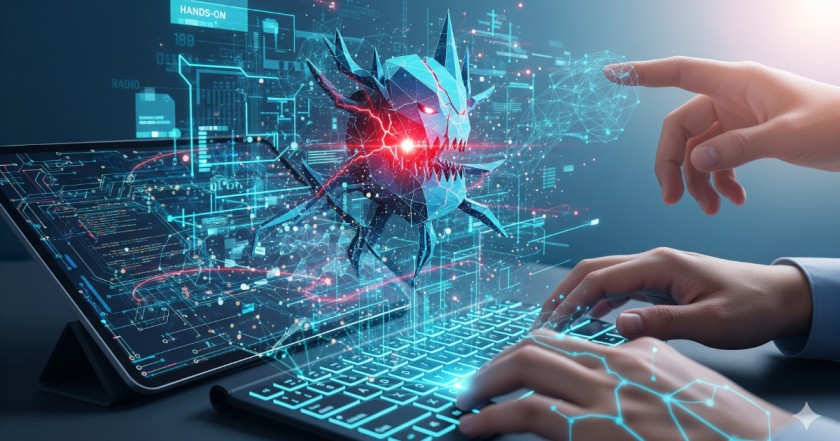
Hands-on training immerses participants in simulated cyberattacks, like injecting malicious inputs into machine learning models. Trainees learn to detect anomalies, secure APIs, and harden models against exploitation. For example, exercises might involve defending a computer vision system from manipulated images. This practical exposure bridges theory and application, preparing professionals to handle complex threats in production environments.
Strengthening Model and Data Security
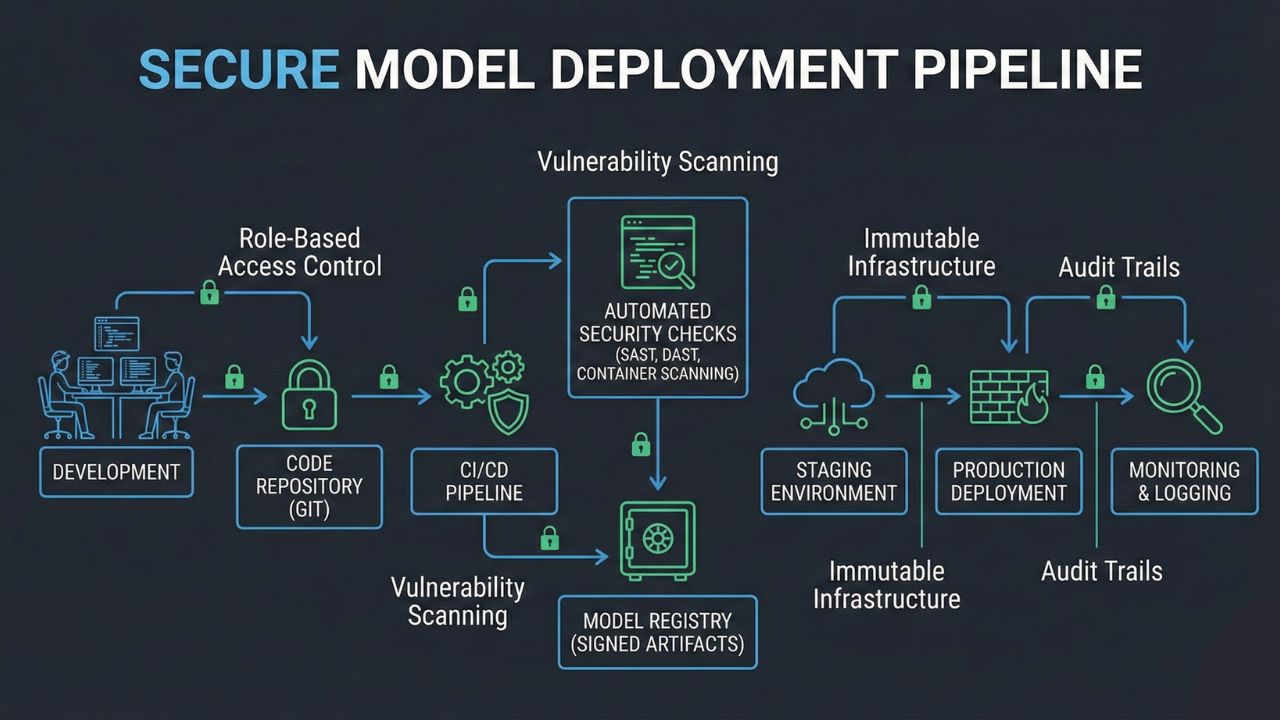
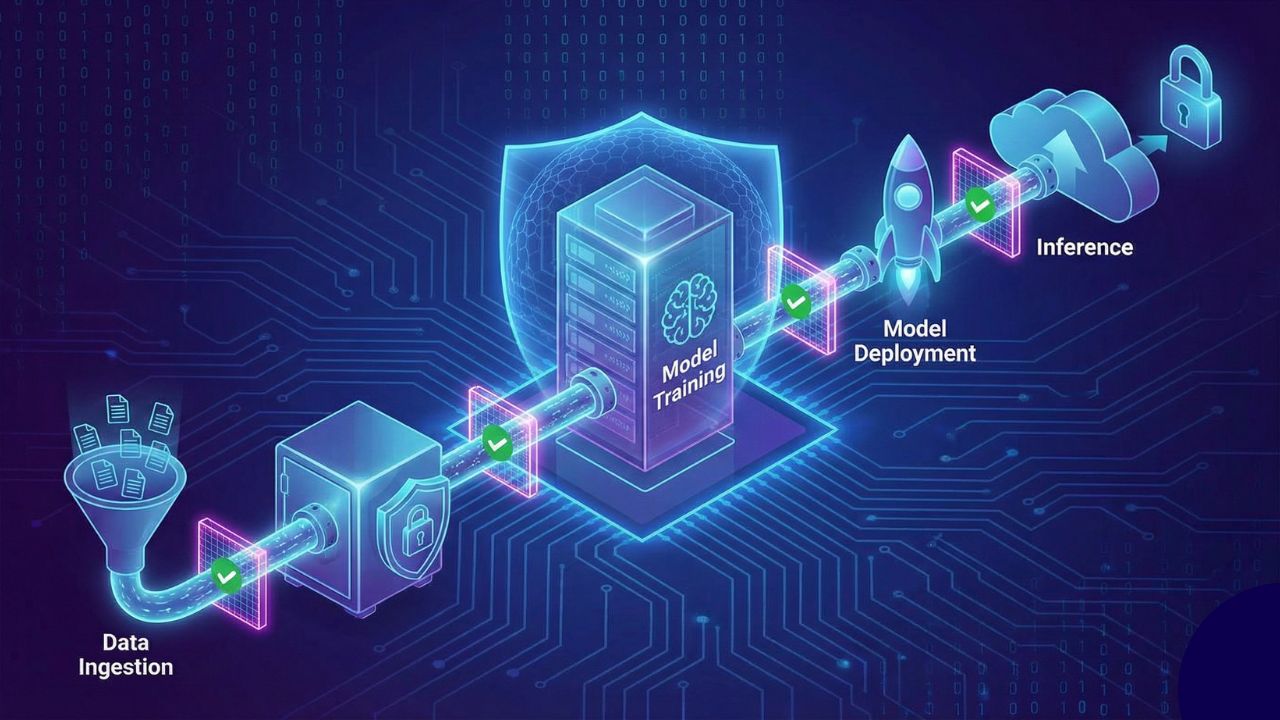
AI security training emphasizes protecting sensitive data and models. Participants practice techniques like differential privacy to safeguard training data and encryption to secure model weights. Hands-on labs teach how to implement secure data pipelines and validate inputs, reducing risks of breaches. These skills are critical for industries like healthcare or finance, where data leaks can have severe consequences.
Building Resilience Through Adversarial Testing
Adversarial testing is a core component of hands-on training. Trainees learn to stress-test AI models by simulating attacks, such as perturbing inputs to mislead predictions. This process reveals vulnerabilities, enabling developers to strengthen models through techniques like robust optimization. By practicing these methods, professionals ensure AI systems remain reliable under hostile conditions.
Enhancing Collaboration and Response Strategies
Hands-on training fosters cross-functional collaboration by involving developers, security teams, and business leaders. Group exercises, like responding to a simulated model theft, teach coordinated incident response and mitigation strategies. This prepares teams to act swiftly, minimizing damage from real-world breaches while aligning security with business goals.
Staying Ahead of Evolving Threats
Cyber threats evolve rapidly, with attackers leveraging AI to create sophisticated exploits. Hands-on training incorporates the latest attack techniques, such as generative AI-based phishing or backdoor injections. By staying updated, trainees anticipate future risks and adopt forward-thinking defenses, like continuous model monitoring or automated threat detection.
Choosing Effective Training Programs
Select training that emphasizes practical labs, industry-relevant scenarios, and tools like TensorFlow Privacy or PySyft. Programs should cover compliance with regulations like GDPR or CCPA, ensuring secure AI deployment. Look for certifications that validate skills, enhancing career prospects in cybersecurity.
In 2025, hands-on AI security training empowers professionals to protect systems against tomorrow’s threats. By combining practical experience, robust defense techniques, and strategic foresight, it ensures enterprises stay secure in an AI-driven world, safeguarding innovation and trust.
Check out Modern Security for AI Security Certification related information. This academy gives you proper knowledge about AI Security.