

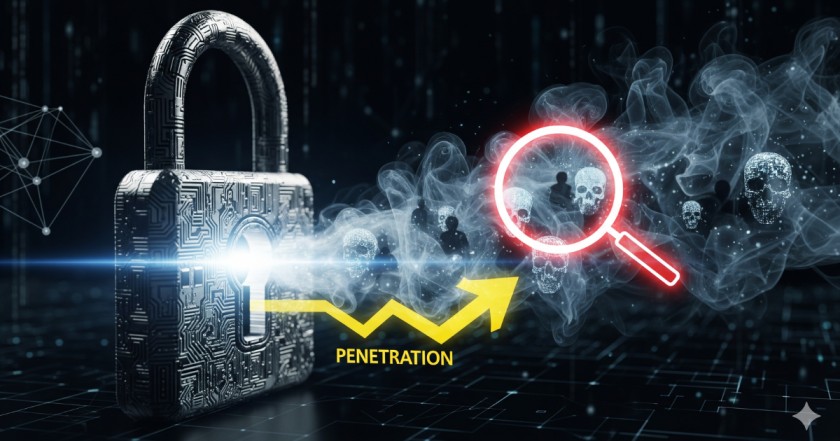
In today’s digital landscape, cyber threats are increasingly sophisticated, exploiting vulnerabilities that often go unnoticed until it’s too late. Penetration testing, or pen testing, is a critical cybersecurity practice that simulates real-world attacks to uncover hidden threats before malicious actors can exploit them. By proactively identifying weaknesses, penetration testing helps organizations strengthen their defenses and stay ahead of evolving risks. This article explores why penetration testing is essential for detecting hidden threats and safeguarding sensitive systems.
What Are Hidden Threats?
Hidden threats are vulnerabilities in systems, networks, or applications that are not easily detected by automated scans or routine security measures. These may include misconfigured servers, outdated software, weak authentication protocols, or even human errors like susceptibility to social engineering. Such weaknesses are prime targets for cybercriminals, who use advanced techniques like zero-day exploits or phishing to breach defenses. Penetration testing is uniquely equipped to uncover these obscured risks by mimicking attacker behavior.
Why Penetration Testing Is Essential
Penetration testing goes beyond standard security tools, offering a proactive and realistic approach to identifying hidden threats. Here’s why it’s indispensable:
1. Simulating Real-World Attacks
Unlike automated vulnerability scanners, penetration testing replicates the tactics, techniques, and procedures (TTPs) of actual hackers. Ethical hackers use methods like SQL injection, cross-site scripting (XSS), or social engineering to probe systems, revealing vulnerabilities that automated tools might miss. For example, a pen test could uncover a hidden flaw in a web application’s API that allows unauthorized data access, a threat often overlooked by basic scans.
2. Uncovering Complex and Non-Technical Vulnerabilities
Hidden threats often stem from complex issues, such as improper cloud configurations or insider threats. Penetration testing evaluates both technical and human elements, identifying risks like weak passwords or employees vulnerable to phishing. This comprehensive approach ensures no stone is left unturned, exposing weaknesses that could lead to significant breaches.
3. Prioritizing Critical Risks
Penetration testing not only identifies hidden threats but also assesses their potential impact. By exploiting vulnerabilities in a controlled environment, pen testers demonstrate how attackers could gain access to sensitive data or disrupt operations. This helps organizations prioritize remediation efforts, focusing on the most critical threats first to maximize security improvements.
4. Adapting to Evolving Threats
Cyber threats evolve rapidly, with attackers constantly developing new techniques. Penetration testing keeps pace by incorporating the latest attack vectors, such as those targeting AI systems or IoT devices. Regular pen tests ensure organizations stay ahead of emerging threats, uncovering vulnerabilities that may not have existed during previous assessments.
5. Enhancing Compliance and Trust
Many industries require regular security assessments to comply with standards like GDPR, HIPAA, or PCI-DSS. Penetration testing ensures compliance by identifying hidden threats that could lead to non-compliance penalties. Additionally, demonstrating a commitment to proactive security builds trust with customers and stakeholders, safeguarding an organization’s reputation.
Getting Started with Penetration Testing
To effectively identify hidden threats, follow these steps:
- Engage Certified Experts: Hire pen testers with credentials like OSCP or CEH for reliable results.
- Define Clear Objectives: Specify systems or applications to test, focusing on high-risk areas.
- Conduct Regular Tests: Schedule pen tests annually or after major system updates to catch new vulnerabilities.
- Implement Findings: Act on pen test reports to fix identified weaknesses promptly.
- Stay Updated: Monitor platforms like X for insights on new threat trends to inform testing strategies.
Conclusion
Penetration testing is essential for identifying hidden threats that could compromise an organization’s security. By simulating real-world attacks, it uncovers vulnerabilities missed by standard tools, prioritizes critical risks, and adapts to evolving threats. Regular pen testing ensures compliance, builds trust, and strengthens defenses, making it a cornerstone of proactive cybersecurity. Start leveraging penetration testing today to protect your organization from unseen dangers.

Penetration tests which are also known as the Pen Test are tests or assessment methods to check the organization’s cybersecurity safety.
It is a kind of ethical hacking wherein the security professionals ethically hack into your system to determine security lapses or loopholes and accordingly address the identified weaknesses in the system.Penetration testing is a simulation of real-world attacks in a controlled environment that helps uncover vulnerabilities that will not actually damage your assets but just expose the weaknesses.