


A Travel API is essentially a digital bridge that connects travel agencies, online travelagencies (OTAs), and booking platforms with real-time data from global suppliers. Instead of manually updating flight schedules, hotel availability, or car rental prices, an API allows systems to “talk” to each other and fetch the latest information instantly.
For example, when a customer searches for flights from New York to London, the OTA doesn’t store every possible flight in its own database. Instead, the API pulls live data directly from airlines, compares prices, and displays the best available options in seconds.
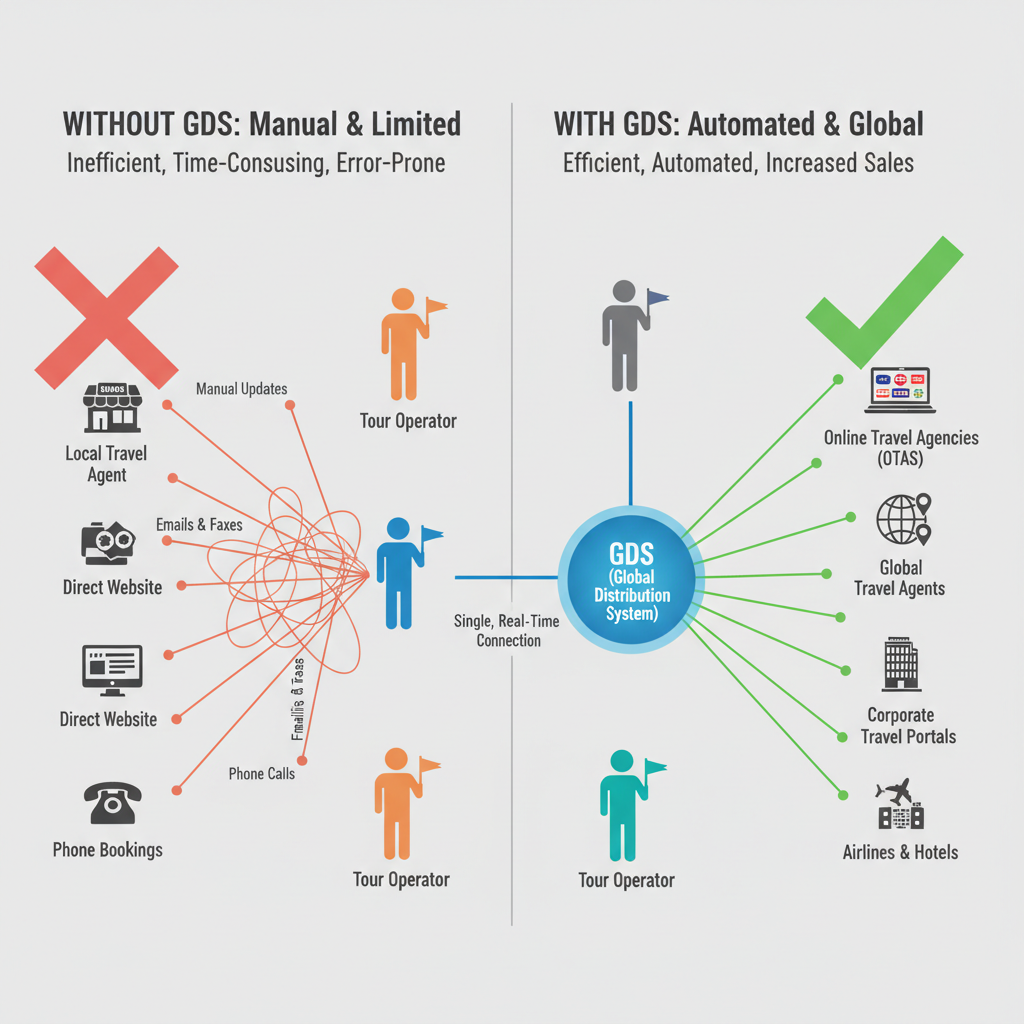
This seamless exchange of information is what makes online booking so fast and reliable. However, many businesses also evaluate the cost of GDS integration before implementing such solutions, since connecting to global systems like Sabre, Amadeus, or Travelport often requires upfront investment along with ongoing fees.
Factors Affecting Travel API Integration Cost
The cost of integrating a travel API isn’t fixed it depends on multiple factors ranging from the type of API to the technical complexity of the project. Let’s break down the key elements:
Type of API
GDS APIs – Global Distribution Systems like Amadeus, Sabre, and Travelport usually come with higher setup and licensing fees. They offer vast inventory and global reach but are more expensive to implement.
Third-Party Supplier APIs – These are often provided by hotels, airlines, or car rental companies. Pricing models vary; some charge on a subscription basis, while others use a pay-per-booking model.
Custom APIs – If off-the-shelf APIs don’t fit your business model, you might need a custom-built API. While this offers full flexibility, the development costs are significantly higher.
Complexity of Integration
Simple vs. Multi-Service Integration – Connecting just one API (say, hotels only) is cheaper compared to integrating multiple APIs for flights, hotels, cars, and tours in a single platform.
UI/UX Customization Needs – If your platform requires a unique booking flow, filters, or personalized recommendations, the cost increases due to added development work.
Technology Stack & Platform
Web, Mobile, or Cross-Platform Support – A basic web integration costs less, while building APIs for mobile apps (iOS/Android) or cross-platform solutions requires additional development and testing.
Licensing & Subscription Fees
Pay-Per-Use Model – Some API providers charge per API call or per booking. This can be cost-effective for startups but may add up as traffic grows.
Monthly/Annual Licensing Fees – Many GDS providers and premium suppliers require upfront licensing costs, which can become a significant ongoing expense.
Developer Expertise & Region
Hourly Rates Differ by Location – Developers in the US or Europe may charge $80–$150 per hour, while skilled developers in countries like India or Eastern Europe may charge $25–$50 per hour. This regional difference has a direct impact on overall costs.
Maintenance & Support
Regular Updates to APIs – Travel APIs are frequently updated, and platforms must adapt to avoid downtime.
Ongoing Bug Fixes & Performance Optimization – Continuous support is necessary to ensure smooth booking flows, especially during peak travel seasons.
Hidden Costs to Consider
When budgeting for API integration, many businesses overlook hidden costs. Here are the most common ones:
Security & Compliance
Data Encryption – Protecting sensitive customer information like credit card details is a must.
PCI-DSS / GDPR / Local Regulations – Meeting compliance standards involves additional development and security investments.
Scalability & Performance
Infrastructure Scaling – As your platform grows, you’ll need stronger cloud infrastructure, load balancers, and caching systems to handle increased traffic without slowing down.
Third-Party Tools & Middleware
Payment Gateways – Integration with secure payment systems adds extra cost.
Fraud Detection & Analytics – Tools for fraud prevention, reporting, and analytics are often additional expenses.
Training & Onboarding
Staff Training – Your team needs to learn how to manage, troubleshoot, and optimize the API. Training costs can add up, especially for large organizations.
Average Cost Estimates
While every project is unique, here’s a general idea of what businesses can expect to spend:
Small Travel Startups
- Cost Range: $5,000 – $15,000
- Typically covers integration with a single API (like hotels or flights) and a simple booking engine.
- Best for small agencies testing the waters.
Mid-Sized Agencies & OTAs
- Cost Range: $20,000 – $50,000
- Usually involves multiple APIs, custom booking features, and mobile app support.
- Ideal for growing businesses looking to scale operations.
Enterprise-Level Businesses
- Cost Range: $70,000+
- Covers complex integrations with multiple suppliers, advanced features like AI-driven recommendations, and full scalability for global reach.
- Suited for large OTAs and established travel brands.
Conclusion
Integrating a travel API is one of the most important technology investments a travel business can make. While the cost can range anywhere from a few thousand dollars to over $70,000 depending on scale and complexity, the long-term benefits often outweigh the initial expense. APIs not only streamline booking processes but also enhance customer satisfaction, increase efficiency, and open doors to global partnerships.
The key is to carefully evaluate your business goals, choose the right API provider, and plan for hidden costs like security, scalability, and ongoing support. With the right approach, travel API integration becomes less of an expense and more of a strategic investment in future growth.




Hemp CBD Business Planshempcbdbusinessplans.com Population (m) 650 GDP (US$ t) 5.3 Total Healthcare Expenditure (US$ b, est.
) 354 Total Pharmaceutical Expenditure (US$ b, 2016) 117 Total of Cannabis Users (%, est.
) 5.4 Source: World Bank/Prohibition Partnershemp cbd business planAfrica hemp CBDEuropean hemp CBD marketCanada hemp businessLatin America hemp CBDHow much does it cost to grow hemphemp cultivation business planCBDoil extraction lab business planCBD retail business planhemp nursery business planCBD products business planHemp is legal in Brazil, Chile, Colombia, Jamaica, Mexico, Peru and Uruguay.According to data from BDS Analytics in partnership with Arcview Research, the Latin American legal cannabis spending is expected to grow from $125 million in 2018 to $776 million by 2026.BrazilHemp oil was legalized for medical cannabis products in 2015, however, Brazil doesn’t allow its production within the country.ChileChile is expected to be the largest market in the region and would account for around 39% of Latin America’s industrial hemp market.ColombiaGrowing hemp has been legal in Colombia since 1986.JamaicaHemp was legalized in 2015.MexicoMexico is the second largest Latin American market for industrial hemp products, taking a 15% share.
On June 19, 2017 President Enrique Peña Nieto signed a bill into law that officially legalized the cultivation, production, and use of medical cannabis products with less than 1% THC in Mexico.PeruOn February 23th 2019, the government approved the regulation of Law No.
30681 that regulates the medicinal and therapeutic use of Cannabis plant and its derivatives.UruguayCannabis and hemp have been legal in Uruguay since 2013.
Uruguay allows up to 1% THC in its hemp production.