



Storm drains are a vital part of any community’s infrastructure, designed to carry excess rainwater away from roads, pavements, and properties. When they function properly, they help prevent flooding and protect both public and private spaces from water damage. However, when storm drains back up, the results can be disruptive, costly, and damaging to the environment. Fortunately, modern pipe lining technology offers a smart, cost-effective solution that reduces both the inconvenience and the financial burden of traditional repair methods.
One of the most common causes of storm drain back-ups is pipe deterioration. Over time, concrete, clay, and metal pipes can crack, corrode, or become infiltrated by tree roots. Once compromised, these pipes lose their ability to carry water efficiently, leading to blockages and eventual flooding during heavy rainfall. The challenge has always been how to repair or replace these underground systems without digging up large sections of roads or landscapes.
Traditional storm drain repair typically required extensive excavation. Crews would dig trenches to expose the damaged pipes, remove them, and install replacements. While effective, this approach created disruption to traffic, damaged surfaces, and often cost far more in restoration than in the actual pipe replacement itself. In urban areas especially, the impact on businesses, commuters, and local residents could be significant.
Pipe lining offers an alternative that avoids most of these challenges. By creating a new, durable lining within the existing storm drain, this trenchless method eliminates the need for large-scale excavation. A resin-saturated liner is inserted into the old pipe, expanded, and cured to form a seamless, watertight surface. The result is a restored pipe that is resistant to further damage and able to handle stormwater efficiently.
The speed of this process is one of its greatest advantages. Where traditional repair projects could take days or weeks, pipe lining can often be completed in a matter of hours. This is particularly important for storm drains, as communities cannot afford prolonged downtime in systems designed to manage sudden and heavy rainfall. Faster repairs mean quicker restoration of functionality and less risk of flooding during unpredictable weather.
Durability is another key reason pipe lining is increasingly being used for storm drain rehabilitation. The cured liners are resistant to corrosion, root intrusion, and chemical damage. They create a strong inner surface that can last for decades, providing long-term reliability and reducing the need for frequent, costly interventions. This durability makes lining a practical investment for councils and property managers alike.
Another benefit lies in cost savings. While the upfront expense of lining may be similar to excavation, the reduced labour requirements, shorter repair times, and minimal restoration costs usually make it cheaper overall. Roads, pavements, and landscaped areas are preserved, avoiding the high expense of rebuilding them after pipe replacement. For municipalities with tight budgets, this financial advantage is compelling.
Pipe lining also addresses environmental concerns. By reusing the existing storm drain instead of removing it, the method generates less waste. There is less soil displacement, fewer lorry journeys to remove debris, and reduced emissions from heavy machinery. For communities increasingly focused on sustainability, pipe lining offers an environmentally responsible approach to infrastructure repair.
Storm drain systems are often extensive, stretching for miles beneath cities and towns. Because pipe lining can be applied over long sections in a single installation, it is ideally suited for these networks. This efficiency allows entire stretches of drain to be rehabilitated quickly, preventing small cracks and leaks from escalating into major failures.
In residential settings, back-ups in storm drains can lead to localised flooding in gardens, driveways, and basements. These problems are disruptive and distressing for homeowners, and they can also lead to structural damage if not addressed. Pipe lining provides a way to repair the underlying cause without turning private property into a building site.
Commercial properties benefit as well. Car parks, shopping centres, and business parks rely on effective storm drainage to remain operational during heavy rain. A backed-up storm drain can lead to closures, health hazards, and lost revenue. By choosing lining as a repair option, businesses can ensure a faster resolution and minimise disruption to customers and staff.
The ability to detect problems before they escalate has also improved thanks to CCTV inspections. These allow specialists to assess the condition of storm drains, identify cracks, blockages, and weak points, and decide whether lining is appropriate. This targeted approach avoids unnecessary work and ensures repairs are carried out where they are most needed.
Although pipe lining is not suitable in every case—for instance, if a storm drain has collapsed entirely—it covers a wide range of scenarios where the structure is still intact but weakened. By reinforcing and sealing the existing pipe, lining restores function without requiring full replacement. This makes it especially useful for ageing infrastructure that may otherwise be prohibitively expensive to renew.
Urban areas with growing populations and increasing surface water run-off are particularly vulnerable to storm drain back-ups. With climate change contributing to more frequent heavy rainfall, maintaining drainage systems has become more urgent than ever. Pipe lining offers a proactive way to strengthen these systems and prevent the costly consequences of flooding.
The technology behind pipe lining continues to advance. New resins cure faster, robotic tools provide greater precision, and UV curing allows even quicker installation. These innovations are expanding the possibilities of trenchless repair, making it even more efficient and reliable for storm drain applications.
As awareness of pipe lining grows, more communities are choosing it as their go-to solution for storm drain back-ups. Its combination of speed, cost-effectiveness, and sustainability makes it an attractive alternative to disruptive excavation. For property owners, businesses, and councils, the appeal lies in being able to fix essential infrastructure without the mess.
Ultimately, coping with storm drain back-ups requires forward-thinking solutions. Pipe lining stands out as a modern method that delivers both immediate relief and long-term reliability. By embracing this technology, communities can safeguard against flooding, protect property, and manage their infrastructure in a smarter, more cost-effective way.
About Us
NuFlow is at the forefront of trenchless sewer repair technologies, specializing in Cured-In-Place Pipe (CIPP) solutions. Our commitment to innovation, quality, and customer satisfaction drives us to deliver superior sewer repair services that minimize disruption, protect the environment, and ensure the longevity of urban infrastructure. With a team of experienced professionals and a track record of successful projects, we are your trusted partner in maintaining the health and efficiency of your sewer systems. Trust us to bring cutting-edge CIPP solutions to your doorstep, ensuring a sustainable future for our cities' infrastructure. For more information visit us at https://nuflow.com/.
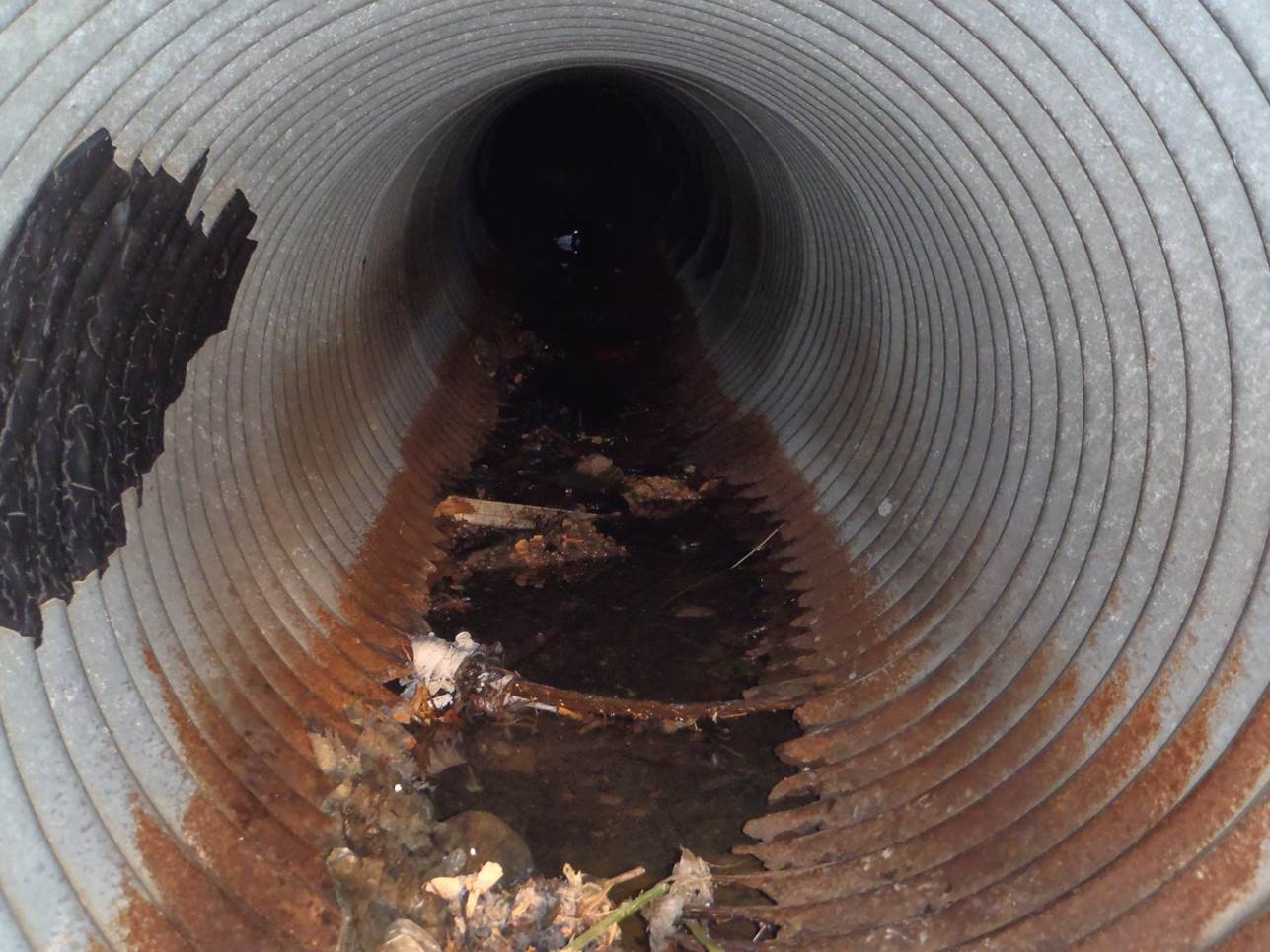


We offer an incredible drain pipe relining service in the Leeds area.
We have a skilled team with unique expertise in drain lining.
Call us at 01924 379784.