



So here’s a thought—remember when a home security alarm system basically meant a loud siren blaring if someone opened a window? That was it. Loud noise, maybe a flashing light, and you hoped the neighbors cared enough to peek outside. Fast-forward to today, and it feels like our alarm systems are getting smarter than we are. And the reason? Yep, artificial intelligence.
Now, before you imagine some robot patrolling your hallway (though, let’s be real, that would be kind of cool), AI in home security isn’t about replacing people—it’s about making your system smarter, faster, and way less annoying. Let’s break it down, because the role of AI in the next generation of home security alarm systems is actually kind of fascinating.
Smarter Detection (Goodbye, False Alarms)
We’ve all heard the stories—or lived them. You set the alarm, leave for work, and then—bam! Your phone explodes with alerts because the cat decided to practice parkour in the living room. Classic false alarm.
AI changes that. Instead of treating any movement as suspicious, an AI-powered home security alarm system can actually recognize the difference between, say, your dog chasing its tail and an intruder sneaking in. Some systems even use video analytics to tell if the movement is from a person, an animal, or just a tree branch swaying in the wind.
And yes, that means fewer embarrassing “sorry, it was my cat” calls to the monitoring center.
Predictive security, or identifying problems before they arise
At this point, AI begins to seem a bit futuristic. AI-enabled systems are able to anticipate issues rather than only responding to them. For instance, your system may nudge you if it detects that that particular door has remained unlocked more frequently than usual. Alternatively, it might alert suspicious activity before it becomes a severe problem, such as someone loitering outside your house at strange hours.
It’s not paranoia, it’s pattern recognition. And honestly, who couldn’t use a little extra reminder now and then? (Personally, I need AI just to remind me to bring in my laundry before it rains.)
Voice and Facial Recognition
Remember typing in a PIN code to arm or disarm the alarm? Yeah, AI is making that feel ancient. The next-gen home security alarm system can recognize your voice or your face. So instead of fumbling with codes or keys, you just… walk in.
Of course, the tech is still improving—because nobody wants their alarm confused when they come home with a new haircut. But the idea of your system instantly knowing it’s you (and not a stranger) is both convenient and reassuring.
Integration With Smart Homes
The glue that holds your house together is artificial intelligence (AI). AI-powered solutions allow your alarm to communicate with your coffee maker, lighting, and thermostat.
Imagine waking up and disarming the home security alarm system, which causes AI to initiate a small routine that includes the thermostat adjusting, the lights turning on, and the coffee making. Another option is to arm it at night, which ensures that the garage is closed, all lights are out, and doors are shut.
It is security, to be sure, but it is also a way of life. As in sharing a room with someone who is extremely well-organized and never forgets anything.
Real-Time Alerts That Actually Matter
Another AI perk? Smarter notifications. Instead of a generic “motion detected,” you get specifics: “Motion detected—person at the back door.” Or even better, a short video clip attached so you can instantly see what’s happening.
That means no more guessing games. You know right away if it’s a package delivery, a friend dropping by, or… well, something that shouldn’t be there. And yes, you can even teach your system to ignore familiar faces, so it doesn’t ping you every time your roommate comes home.
Cybersecurity Protection (Because Hackers Are a Thing)
Here’s something we don’t always think about—smart homes can be vulnerable to hackers. AI-driven home security alarm systems are stepping up by monitoring for unusual digital activity, not just physical threats. If someone tries to tamper with your system online, AI can detect it and block access.
It’s kind of like having a guard dog that barks at burglars and hackers. Double protection.
Making Security Affordable and Scalable
AI may seem high -tech (and expensive), but in fact, it helps the system to become more accessible. Why? Because AI learns and adapt. Instead of requiring a dozen sensors in each corner, one can cover more ground by analyzing a smart camera pattern with AI.
This means low equipment, low cost and a system that grows with your needs. Tenants, home owners, family - it is scales for all.
Wrapping It Up
So, what’s the role of AI in the next generation of home security alarm systems? Simply put: it’s taking security from “reactive” to proactive. From blaring alarms and false triggers to smart alerts, personalized routines, and even predictive safety.
It’s not just about protecting your home anymore—it’s about making life smoother, safer, and maybe even a little cooler. And sure, there are questions about privacy, accuracy, and how much AI we really want in our daily lives. But one thing’s clear: the home security alarm system of tomorrow is going to be way more intelligent than the one sitting in your parents’ hallway.



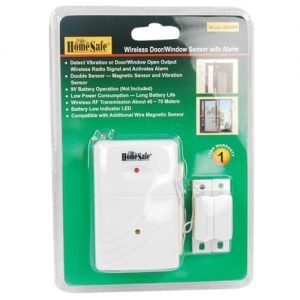
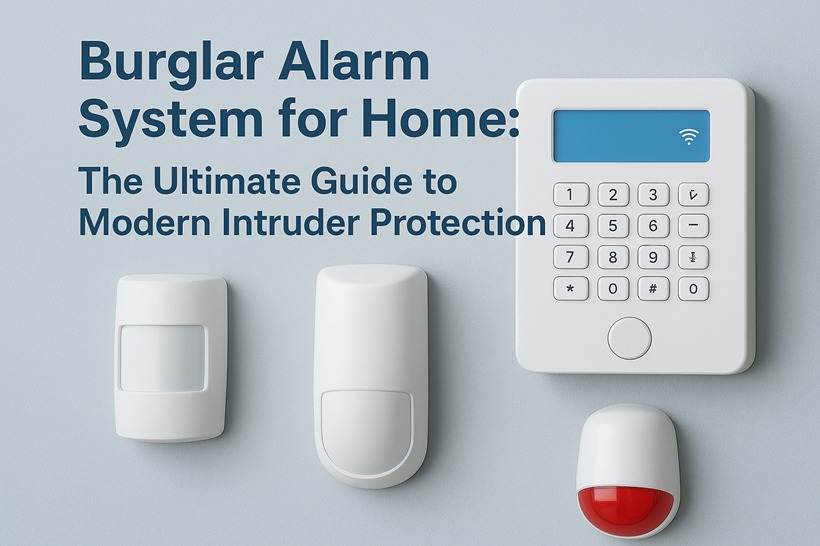

If you are looking to buy Risco Lightsys 2 alarm panels for your home, then Perth home security alarm systems are the best option.
Security Perth has the in-demand alarm systems for home security, you can check Risco Lightsys 2 Price and reviews by visiting our website.