Set‑Top Box Industry Shifts into Smart Overdrive
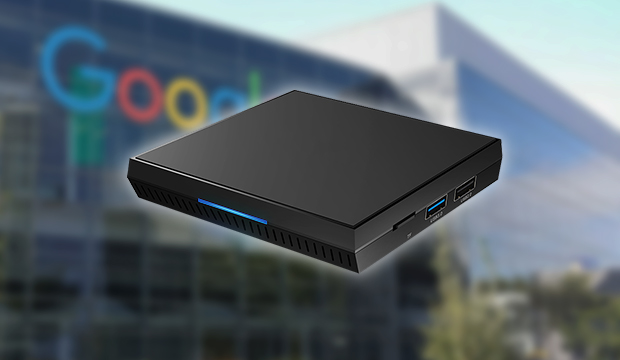
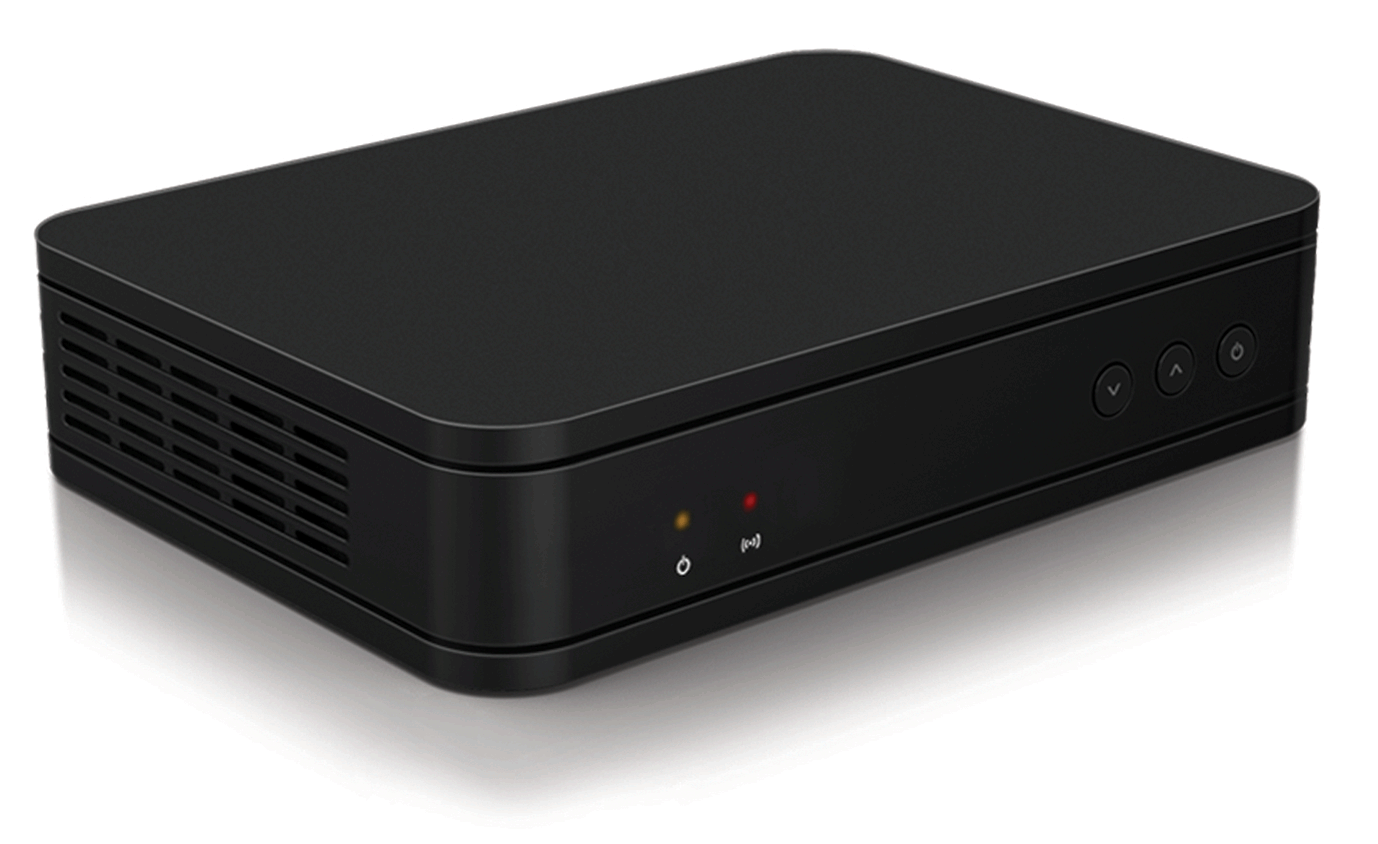
Set‑top boxes are undergoing a fundamental transformation—from basic content decoders to smart, hybrid devices that blend broadcast, streaming, AI, and home‑automation capabilities. With streaming services dominating media consumption and consumers demanding seamless experiences, manufacturers are rethinking their offerings with cutting‑edge features and global partnerships.
According to Straits Research, “The global set‑top box segment was valued at USD 24.84 billion in 2024 and is expected to grow from USD 25.65 billion in 2025 to reach USD 33.13 billion by 2033, growing at a CAGR of 3.25% during the forecast period (2025–2033).”
Global Developments & Regional Momentum
India
Recent data shows a decline in traditional pay TV subscriptions, especially in the DTH (Direct-to-Home) segment, as more users migrate to OTT and mobile streaming platforms. Interestingly, FM radio usage has seen a small resurgence, pointing to evolving media preferences in both urban and rural areas.
United Kingdom
Virgin Media is expanding its lineup of FAST (Free Ad-Supported Streaming Television) channels, growing from approximately 30 to nearly 50. The provider is also shifting from bulky set-top hardware to compact units, emphasizing cloud DVR and streaming-first navigation—aligning with the direction already taken by competitors like Sky with their Sky Glass platform.
United States
Roku recently unveiled new ultra-compact streaming stick devices that are USB-powered and support 4K streaming. They include enhanced software features such as personalized content previews and sports highlight tracking. While the features continue to grow, so do consumer concerns over ad placements and data privacy.
Key Global Players Driving Innovation
Leading the global evolution of set-top technology are several major players:
CommScope (Arris) and Technicolor are known for hybrid IPTV and broadcast-ready solutions, delivering high-end digital entertainment to telecom and cable operators worldwide.
Huawei and Skyworth Digital, both based in China, have emerged as major providers across Asia-Pacific, offering smart boxes with built-in AI, voice control, and multi-platform integration.
Humax of South Korea is widely recognized for its pay-TV devices, middleware integration, and customizations for regional content ecosystems.
Sagemcom, headquartered in France, stands out for designing energy-efficient, sustainable set-top box solutions that meet European environmental regulations.
ADB (Advanced Digital Broadcast), based in Switzerland, continues to innovate with its software-defined platforms and Wi-Fi-enabled gateway devices, recently earning sustainability recognition for its environmental performance.
Other prominent contributors include Echostar, ZTE, Hisense, Jiuzhou, Coship, and Apple, each catering to niche sectors, local operators, or specific smart home integrations.
Trends Redefining the Set-Top Box Experience
Hybrid Streaming Integration
One of the most prominent industry shifts is the move toward hybrid set-top boxes that combine traditional broadcasting with OTT services. These boxes allow users to navigate both live TV and on-demand content through a unified interface.
Personalized AI Content Discovery
Advanced recommendation engines, driven by artificial intelligence, are now embedded in many devices. These systems learn from user behavior to suggest programs, making content discovery more intuitive and tailored.
Voice Control and Smart Home Features
The inclusion of voice assistants—such as Alexa, Google Assistant, and proprietary systems—has redefined how users interact with their devices. Many boxes now serve as smart home hubs, capable of controlling IoT-enabled appliances, security systems, and more.
4K and 8K Support
As ultra-high-definition TVs become mainstream, set-top boxes are rapidly adapting to support 4K and even 8K resolution. This has become especially relevant in Asia-Pacific regions where UHD adoption is accelerating.
Cloud DVR and Compact Design
Cloud-based recording has allowed providers to reduce the physical size of devices. Smaller, sleeker boxes with virtual storage options are replacing traditional DVR units, enhancing user flexibility while saving space.
Ad-Supported Free Streaming (FAST)
The growth of FAST channels is reshaping monetization models. Providers are rolling out ad-supported services to attract price-sensitive viewers while increasing revenue through targeted advertising.
Regional Highlights and Deployment
Asia-Pacific
Countries like India, China, and Indonesia are seeing high volumes of set-top box shipments, driven by affordable smart TV growth, regional content demand, and dual access to broadcast and streaming. Companies like Huawei, Skyworth, and ZTE dominate deployments.
North America
The U.S. and Canada lead in premium device sales, particularly streaming sticks and voice-enabled units. There’s a strong shift toward app-based experiences with content coming from services like Netflix, Hulu, Peacock, and Disney+.
Europe
European nations are emphasizing sustainability, modularity, and regulatory compliance. France’s Sagemcom and Switzerland’s ADB are leading in environmentally friendly designs that also meet rising energy efficiency standards.
Latin America & Middle East
Emerging markets are adopting cost-effective solutions with basic-to-mid-tier features, allowing for digital TV access across underserved regions. Brands like Hisense and Jiuzhou are seeing higher demand in these markets due to affordability and ease of installation.
Recent Headlines Snapshot
India reported a drop in traditional DTH subscriptions, with users moving to OTT platforms.
Virgin Media is rolling out smaller, cloud-powered boxes with nearly 50 FAST channels in the UK.
Roku launched new streaming sticks with enhanced features at low prices but faced criticism over advertising.
ADB received a sustainability award for its green tech innovations in the set-top device space.
Huawei and Skyworth continue expanding in Asia-Pacific with AI-enhanced devices.
Summary (3-Line Ending Paragraph)
Set-top boxes have evolved from basic television connectors to smart, interactive entertainment hubs. Integrating voice control, UHD streaming, and personalized content, they are keeping pace with rapidly changing viewer habits. As global players innovate, the future of television remains flexible, connected, and smarter than ever.