Mobile Security Steps into the Spotlight Amid Rising Threats
With smartphones at the core of communication, banking, healthcare, and enterprise operations, securing them has never been more vital. Mobile protection is evolving rapidly—powered by AI, zero-trust frameworks, and edge computing—to counter increasingly sophisticated cyber threats and ensure privacy, compliance, and user trust.
According to Straits Research, “The global mobile security segment was valued at USD 75.59 billion in 2024 and is expected to grow from USD 95.17 billion in 2025 to reach USD 600.78 billion by 2033, growing at a CAGR of 25.9% during the forecast period (2025–2033).”
Global Growth, Key Players & Regional Action
Leading Defenders in Mobile Protection
McAfee (USA) launched its AI‑powered Scam Detector in 2025, designed to identify and flag scam texts, calls, and deepfake videos across mobile and desktop platforms. The company also launched its "Keep It Real" campaign to educate users through real-life fraud survivor stories.
Other major players include Trend Micro, Sophos, Symantec, Lookout, Check Point, Kaspersky, AVAST, Bitdefender, F-Secure, MobileIron, CrowdStrike, VMware, and IBM, each offering unique tools for endpoint protection, mobile threat detection, and cloud-integrated security.
Regional Highlights
North America remains the leading region for mobile protection technologies, driven by high smartphone penetration, data privacy regulations, and enterprise demand.
Asia-Pacific is showing the fastest growth, driven by mobile-first economies, cloud adoption, and rising cybercrime. Countries like India, China, Japan, and South Korea are investing heavily in mobile cybersecurity.
Middle East & Africa is witnessing significant growth, supported by expanding digital infrastructure and government-led cybersecurity initiatives.
Trends Powering the Mobile Defense Landscape
AI & Machine Learning
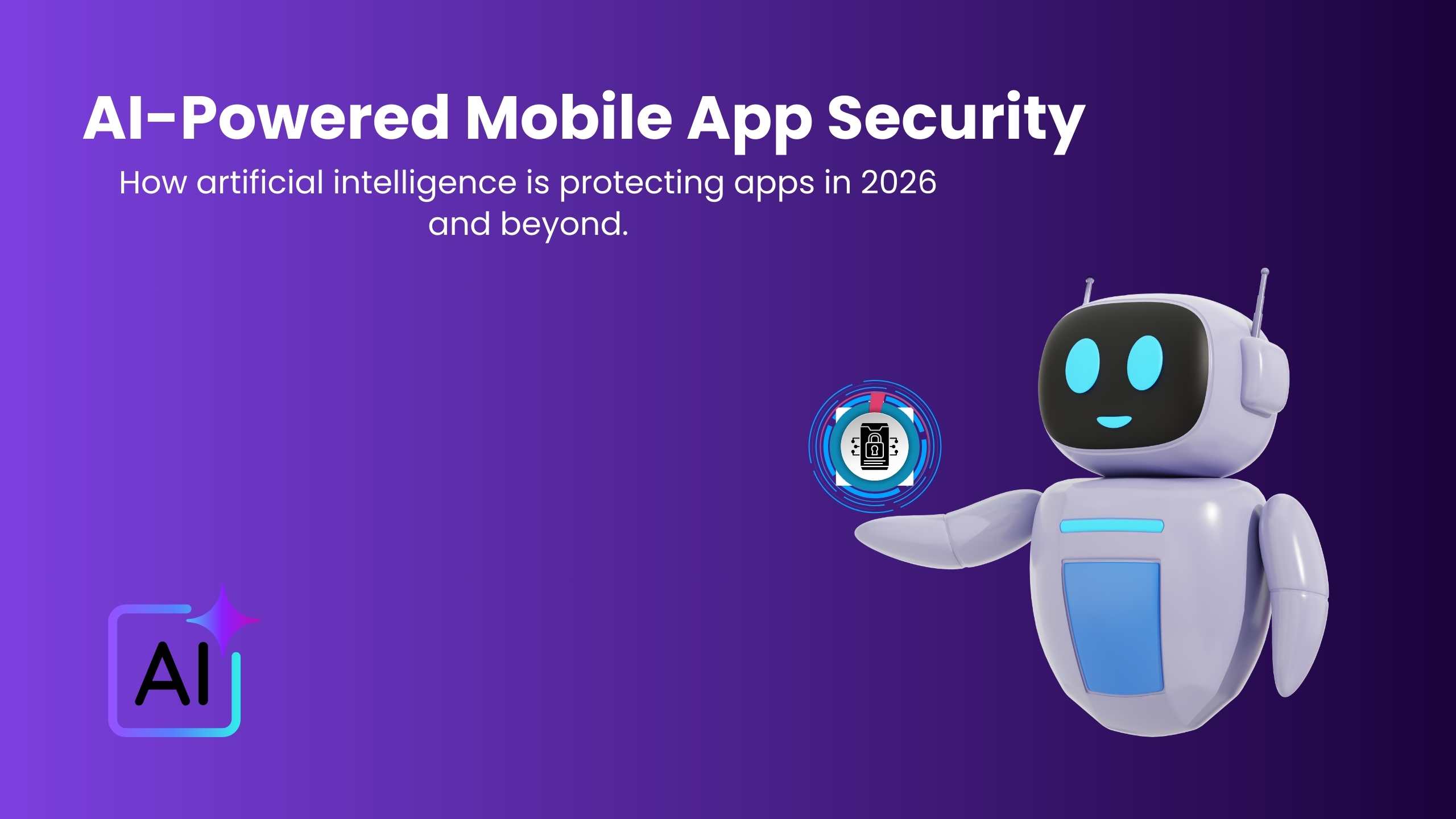
AI-driven threat detection is transforming mobile security. These systems can learn from user behavior, detect anomalies, and stop malware or phishing attacks in real-time. As threats become more intelligent, AI is proving crucial in staying one step ahead.
Zero Trust for Mobile Devices
Security strategies are shifting toward "zero trust," meaning no device or user is automatically trusted—even inside corporate networks. Mobile devices must constantly prove their identity and compliance, using real-time authentication and behavioral analysis.
Privacy-Centric Features
Privacy is a growing concern among users. Mobile platforms are introducing features that limit data tracking, give users more control over permissions, and support local (on-device) AI that doesn’t share sensitive data with cloud servers.
Surge in Mobile Payments
With mobile wallets and contactless payments becoming standard, security measures like biometric authentication, tokenization, and encrypted communication are now essential to prevent financial fraud.
BYOD and Enterprise Security
The rise of Bring Your Own Device (BYOD) policies in businesses has led to an increased need for mobile device management (MDM), mobile threat defense (MTD), and secure app deployment platforms. Companies are now deploying real-time endpoint protection tailored for diverse device ecosystems.
Edge and 5G Integration
5G networks and edge computing increase the number of endpoints and the complexity of managing security. Modern mobile security solutions are now being designed to protect devices that interact with low-latency, decentralized networks.
Recent Developments in Mobile Security
Android Security Patch (September 2025): Google’s latest update patched 84 vulnerabilities, including two actively exploited zero-day flaws. These were found in Android system components, Qualcomm hardware, and core operating system files.
Rise of Adversarial AI: AI-generated malware is becoming more frequent. Hackers are using AI tools to generate polymorphic code, evade detection, and exploit app vulnerabilities. This trend is pushing security firms to adopt AI-based countermeasures.
Advanced Protection in Android 16: Google has added a new Advanced Protection Suite tailored for high-risk users. This includes one-tap app lockdowns, phishing-resistant password protection, and detailed access logs.
State-Sponsored Espionage Risks: Investigations in 2025 uncovered evidence of mobile spyware being used for political surveillance. Smartphones are now a primary target for state-level hacking groups, raising concerns over national and corporate data leaks.
Challenges Ahead
Device Fragmentation
A wide range of Android devices across various manufacturers and models means that many remain unpatched or outdated, creating opportunities for attackers.
Implementation Cost
Advanced mobile defenses such as MTD, zero-trust frameworks, and AI-powered analysis are often costly to deploy—particularly for small or mid-sized enterprises.
Rapid Threat Evolution
Mobile threats are evolving faster than many legacy defense systems can adapt. Continuous updates and threat intelligence are now must-haves.
User Awareness
Many users still fall prey to phishing and social engineering due to a lack of awareness. Human error continues to be one of the biggest vulnerabilities in mobile security.
Balancing Privacy and Security
Security tools often require deep access to device functions. Balancing this access with user expectations of privacy is becoming increasingly complex, especially under global privacy laws.
What's Next for Mobile Security?
Looking ahead, mobile security will become more seamless and embedded into every layer of mobile use—from hardware-level chip security to encrypted app interactions. AI will continue to play a dominant role, not only in detecting threats but also in automating responses and predicting breaches before they occur.
In the enterprise space, we’ll see greater convergence of MDM, cloud security, and identity platforms. Meanwhile, regulators are expected to tighten mobile data and privacy laws, pushing tech companies to integrate more robust protections into their ecosystems.
Moreover, as mobile access expands to smartwatches, wearables, and AR/VR platforms, the definition of "mobile security" will stretch even further—demanding innovation and vigilance across new device categories.
Summary (3-Line Ending Paragraph)
Mobile security is no longer optional—it’s foundational. With cyber threats growing more complex and mobile usage skyrocketing globally, companies and consumers alike must adopt smarter, AI-driven protection strategies. As innovation continues, mobile defense will play a critical role in the safety of the digital ecosystem.