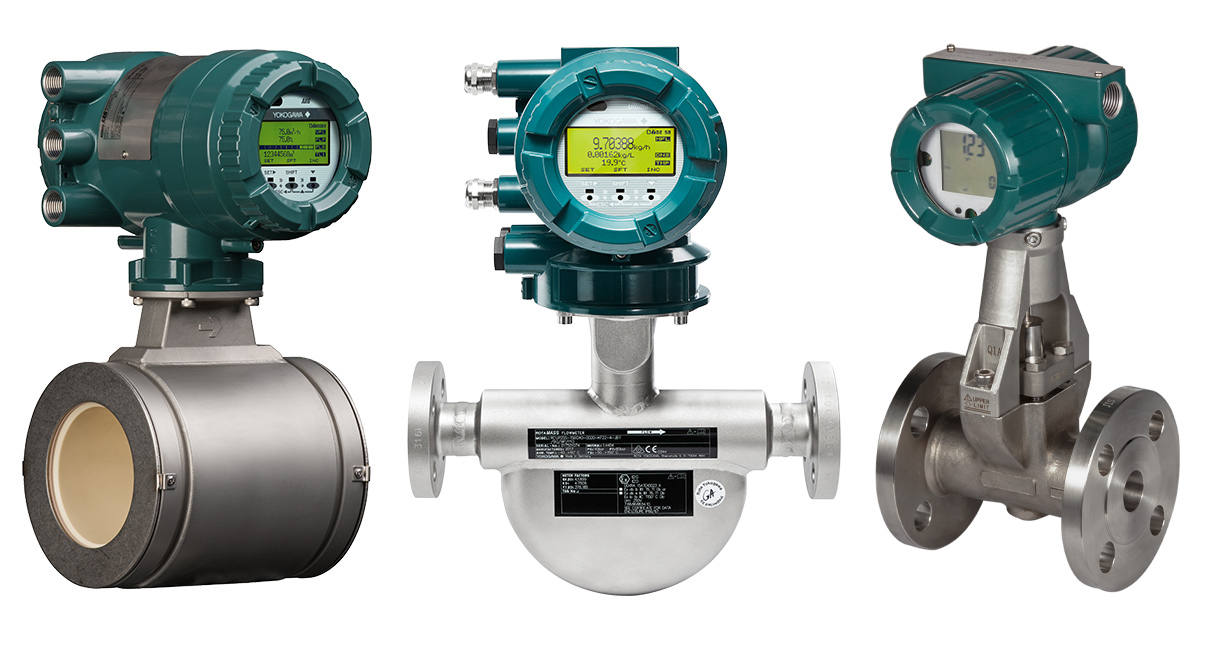
Flow Meters Drive Toward Smarter, Connected Platforms
In an era defined by data and real-time decision-making, flow meters are undergoing a technological renaissance. Once simple instruments for measuring fluid velocity, they are now critical components in digital infrastructure—driven by industrial automation, sustainability goals, and the need for continuous monitoring.
According to Straits Research, “The global flow meters segment was valued at USD 8.29 billion in 2024 and is projected to reach from USD 8.77 billion in 2025 to USD 13.77 billion by 2033, growing at a CAGR of 5.80% during the forecast period (2025–2033).”
Industry Leaders and Global Developments
Key manufacturers are investing heavily in smart flow technology, bringing automation and connectivity to fluid measurement systems.
Siemens (Germany) continues to push the boundaries of electromagnetic and ultrasonic flow measurement, now embedded with IoT modules and predictive analytics tools.
Honeywell (USA) is focusing on advanced gas and liquid flow technologies tailored for industrial automation and oil & gas applications, with AI support.
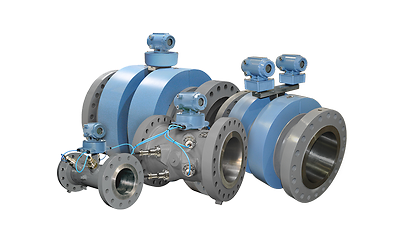
Emerson Electric (USA) has launched enhanced ultrasonic and Coriolis meters integrated with smart diagnostics and energy usage analytics.
ABB (Switzerland) is delivering solutions such as vortex and thermal mass flow meters with digital integration, remote monitoring, and field-toughened wireless connectivity.
Yokogawa Electric (Japan) is pioneering smart flow measurement systems featuring auto-calibration and seamless integration into enterprise platforms.
Other major players shaping the global landscape include Endress+Hauser, KROHNE, Badger Meter, Schneider Electric, Bronkhorst, SICK AG, Azbil, and Omega Engineering. These companies are introducing hybrid flow technologies, cloud-based analytics, and battery-operated systems for remote environments.
Recent Innovations & Strategic Moves
Several key developments have been announced recently:
ABB launched the AquaMaster4 flow meter with long-lasting battery power and wireless communication, designed for remote water distribution monitoring.
Emerson introduced the Micro Motion™ Premium Core Flow Meter, offering enhanced accuracy and zero-drift performance, particularly in demanding environments.
Endress+Hauser and Siemens entered a strategic alliance to co-develop advanced smart flow solutions focused on smart factories and energy optimization.
Siemens also rolled out the SITRANS FST020, a non-invasive ultrasonic flow meter for the water and wastewater sector, offering clamp-on installation and real-time diagnostics.
A Mega Merger Shakes Up the Industry
In a significant consolidation move, Chart Industries and Flowserve have announced a merger valued at USD 19 billion. This deal creates a global powerhouse in fluid technology, combining flow meters, pumps, valves, and gas management systems. The merger is expected to close by the end of 2025 and positions the new entity as a formidable competitor against companies like Parker Hannifin and Ingersoll Rand.
Key Trends Shaping the Future
1. AI and Predictive Analytics
Smart flow meters now come with embedded AI algorithms that analyze flow data in real-time, detect anomalies, and predict system failures before they occur—minimizing downtime and improving efficiency.
2. IoT and Cloud Integration
Devices equipped with Wi-Fi, Bluetooth, and LPWAN connectivity are enabling remote diagnostics and maintenance. Engineers can now monitor and control flow systems from virtually anywhere.
3. Miniaturization and Portability
There is rising demand for portable, lightweight, battery-operated flow meters used in fieldwork, temporary installations, or mobile diagnostics—especially in construction and municipal utility applications.
4. Hybrid Sensing Technologies
Companies are blending multiple measurement principles—such as combining ultrasonic with electromagnetic or thermal sensing—to improve accuracy across different fluid types and environmental conditions.
5. Sustainability and Resource Optimization
Modern meters are designed to consume less power, require less frequent calibration, and assist in detecting leaks or inefficiencies, which supports environmental and operational goals.
Regional Overview
North America
The U.S. and Canada lead in adopting digital and smart flow meters, especially across sectors like oil & gas, water treatment, and pharmaceuticals. Strict environmental regulations and modernization of infrastructure are key drivers.
Europe
Europe holds a strong position, driven by industries like automotive, chemical processing, and renewable energy. EU environmental standards have led to increased investment in accurate flow measurement and control systems.
Asia-Pacific
This region is showing the fastest growth, fueled by infrastructure development in countries like China, India, and Southeast Asia. Rapid urbanization and industrialization are increasing demand for water management, energy, and chemical processing tools.
Middle East & Africa
Flow meter adoption is increasing steadily in this region, particularly in the oil & gas industry, where accuracy and safety are paramount. Governments are also investing in water infrastructure modernization and energy diversification.
Industry Challenges
Despite growth, the flow meter segment faces several hurdles:
Cost of Adoption: Smart meters can be costly to install and integrate into legacy systems, especially for small and mid-sized industries.
Complexity of Customization: No single flow meter suits all fluid types or installation environments, making customization crucial—and at times costly.
Regulatory Compliance: Navigating various regional safety and performance standards poses challenges, especially for globally operating manufacturers.
Cybersecurity: As meters become more connected, cybersecurity vulnerabilities also rise, prompting the need for robust protection frameworks.
Future Outlook
The evolution of flow meters from simple measurement devices to connected, intelligent systems reflects a broader shift in industrial operations. The convergence of AI, IoT, and digital twin technologies will drive even greater capabilities—such as autonomous control, real-time optimization, and integration into smart grids and factories.
With sustainability and efficiency becoming top priorities, flow meters will play a pivotal role in enabling companies to monitor resource usage, comply with environmental regulations, and reduce waste.
Strategic collaborations, technology upgrades, and regional infrastructure projects will continue to drive innovation and adoption in this sector.
Summary (3-Line Ending Paragraph)
Flow meters are no longer just measuring tools—they're becoming smart sensors that power modern industry. With innovations from global leaders and rising demand across regions, these devices are evolving rapidly. Their future lies in digital integration, real-time analytics, and supporting sustainability.