



Technology moves fast, and what seemed advanced just a few years ago can quickly feel outdated. But replacing old machines or devices isn’t always the best or most affordable option. That is where reverse engineering steps in. Consumer product design firms often use this method to take an existing product apart, study it, and then redesign it to work better than before. Reverse engineering is about learning from the past to build smarter, safer, and more effective products for the future.
Table of Contents
What is Reverse Engineering
Why Reverse Engineering Matters in Product Design
The Process of Reverse Engineering
Everyday Examples of Reverse Engineering
Benefits for Businesses and Consumers
Challenges and Considerations
Key Takeaway
What is Reverse Engineering
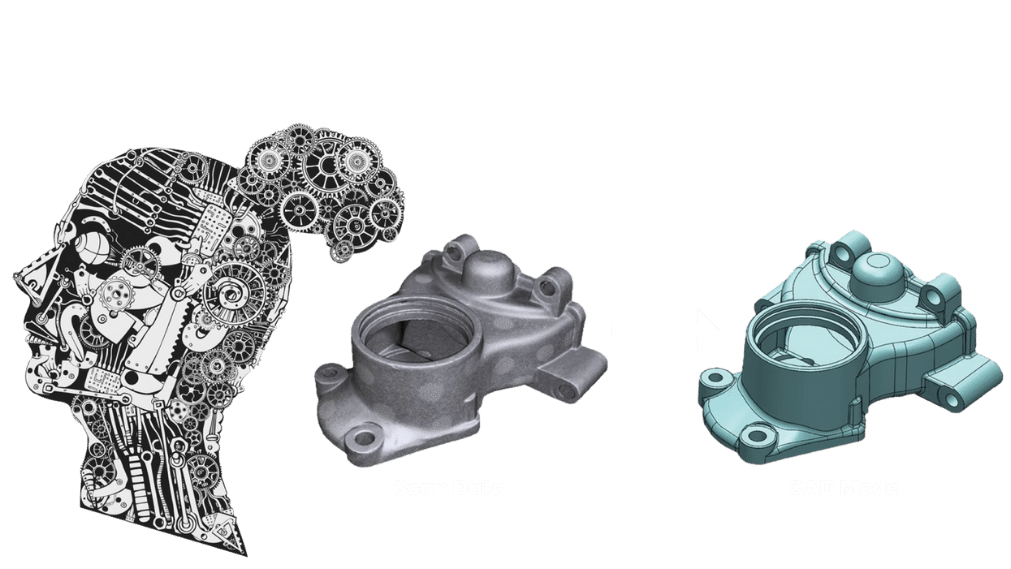
Reverse engineering means carefully breaking down an existing product to understand how it was built. Designers and engineers look at the parts, the materials, and the way everything works together. Once they know this, they can figure out ways to improve the design. This process does not mean copying. Instead, it is about learning what works and what can be made better.
Why Reverse Engineering Matters in Product Design
Consumer product design firms use reverse engineering for many reasons. Sometimes a company has a product that customers love but it needs updating to keep up with new technology. In other cases, a product may not be performing as well as expected, so engineers study it to fix flaws and make it more reliable. Reverse engineering saves time and money compared to designing from scratch because the foundation is already there.
The Process of Reverse Engineering
The reverse engineering process usually follows clear steps:
Disassembly – The product is carefully taken apart piece by piece.
Analysis – Each part is studied to understand its role and how it connects to the whole.
Documentation – Engineers create digital records using tools like 3D scanning or CAD modeling.
Redesign – With this knowledge, improvements are made. This could include stronger materials, smarter layouts, or modern features.
Prototyping and Testing – The improved design is built and tested to make sure it performs better than the original.
This step-by-step approach ensures nothing is overlooked and that the final version is more advanced than the one before.
Everyday Examples of Reverse Engineering
Reverse engineering is not just for big factories or advanced tech companies. It is used in many industries that people rely on every day.
Medical Devices – Tools like scanners or monitoring equipment can be studied and redesigned to be safer, easier to use, or more accurate.
Consumer Electronics – Phones, tablets, and other gadgets are often reworked to be faster, lighter, or more energy efficient.
Automobiles and Machinery – Older machines can be reverse engineered to improve safety features or fuel efficiency.
Household Appliances – Items like refrigerators, washing machines, or kitchen devices can be improved to last longer and use less energy.
Each example shows how reverse engineering helps keep products relevant and useful even as technology advances.
Benefits for Businesses and Consumers
Reverse engineering offers many benefits for both businesses and everyday users.
Cost Savings – Updating an old product is usually cheaper than designing something brand new.
Faster Time to Market – Companies can release improved versions quickly since the base design already exists.
Better User Experience – Consumers get upgraded products that are easier, safer, and more enjoyable to use.
Extended Product Life – Older machines or tools can stay in service longer with smart redesigns.
Innovation from the Familiar – Great ideas can come from rethinking products people already know and trust.
Challenges and Considerations
While reverse engineering is powerful, it is not without challenges. Sometimes products are made with materials or designs that are hard to replicate or modify. There are also legal and ethical rules to follow since copying without permission can lead to problems. This is why professional consumer product design firms are so important. They know how to do reverse engineering the right way, respecting both innovation and intellectual property.
Key Takeaway
Reverse engineering is more than just looking backward. It is a way to take what already exists and make it stronger, smarter, and more useful. For businesses, it is a smart investment in innovation. For consumers, it means access to products that are better built and more reliable.
The End Note!
Reverse engineering has become one of the smartest ways to improve technology and create lasting solutions. By studying what already exists, designers and engineers can give old products a new life while adding modern features that people want. If you are looking for expert guidance in this field, Biangle Labs LLC is one of the trusted consumer product design firms that brings ideas to life through innovation and engineering.


In this article, I will tell about the main tools that a modern software reverser uses in his work.This article is for readers, who are familiar with the Assembler language, network interaction principles, and have experience of programming for Windows using API functions.Written by:Sergey Prepodobniy,Researcher of Driver R TeamIntroduction1.
Practical software reverse engineering examples to show tools2.1.
Modification of the executed statements in Hiew2.5.
Deleting a value from the Relocation table by means of Relocation Section Editor2.6.
Modification of a value in the Relocation table by means of CFF Explorer2.7.
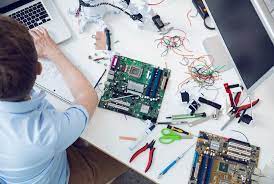
Reverse engineering PC boardhttps://www.circuitengineer.com/Welcome to Circuit Engineering Company Limited, We are the best PCB reverse engineering, We provide PCB Reverse Engineering, PCB Clone and PCB Copy service.