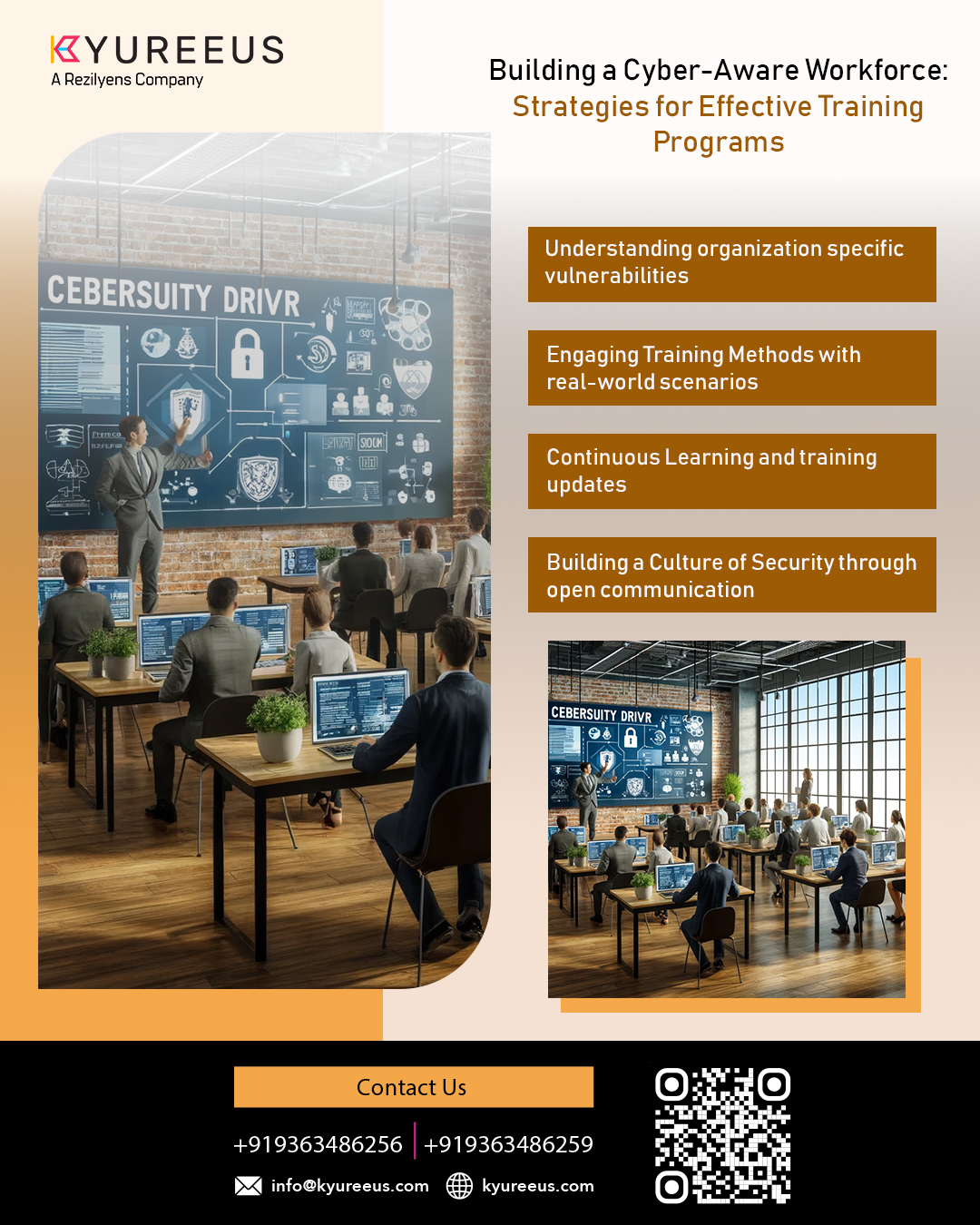



In the fast-paced world of technology, where cyber threats evolve daily, ensuring that development, operations, and security teams are equipped to handle risks is critical. Hands-on security training offers a practical, immersive approach to building skills that go beyond theoretical knowledge. By simulating real-world scenarios, this training empowers teams to tackle challenges effectively. Here are the top three benefits of hands-on security training for Dev, Ops, and Security teams.
1. Enhanced Practical Skills for Real-World Threats
Hands-on security training places teams in simulated environments where they face realistic cyberattacks, such as phishing attempts, malware infections, or network intrusions. Unlike traditional lectures, this approach allows developers, operations staff, and security professionals to practice identifying vulnerabilities, deploying patches, and mitigating risks in a controlled setting.
For instance, a developer might debug a flawed code snippet to prevent a SQL injection, while an Ops team member could configure a firewall to block unauthorized access. These exercises build muscle memory, enabling teams to respond swiftly and confidently when actual threats arise. By bridging the gap between theory and practice, hands-on training ensures teams are prepared for the complexities of modern cybersecurity.
2. Improved Collaboration Across Teams
Cybersecurity is a team effort, requiring seamless coordination between Dev, Ops, and Security teams. Hands-on training fosters collaboration by bringing these groups together to solve problems in real time. For example, during a simulated breach, developers might work on fixing code vulnerabilities while Ops teams secure infrastructure and Security teams analyze attack vectors.
This cross-functional approach breaks down silos, helping teams understand each other’s roles and challenges. As a result, they develop a shared language and mutual respect, which translates into smoother workflows during actual incidents. Stronger collaboration also leads to more secure systems, as teams proactively address potential weaknesses together.
3. Boosted Confidence and Reduced Response Time
Facing a cyberattack can be daunting, especially for teams with limited practical experience. Hands-on training builds confidence by allowing team members to practice under pressure without real-world consequences. Whether it’s responding to a ransomware simulation or securing a compromised server, repeated exposure to these scenarios sharpens decision-making skills.
Over time, teams become adept at assessing risks, prioritizing actions, and executing solutions efficiently. This preparedness directly reduces response times during actual incidents, minimizing damage and downtime. Confident teams are also more likely to innovate, as they feel empowered to experiment with secure coding practices or infrastructure improvements without fear of failure.
Final Thoughts
Investing in hands-on security training is a game-changer for Dev, Ops, and Security teams. By honing practical skills, fostering collaboration, and boosting confidence, this approach equips teams to tackle cyber threats head-on. As organizations face increasingly sophisticated attacks, hands-on training ensures that their teams are not just prepared but proactive in safeguarding critical systems. With the right training, your teams can turn challenges into opportunities to strengthen security and drive success.