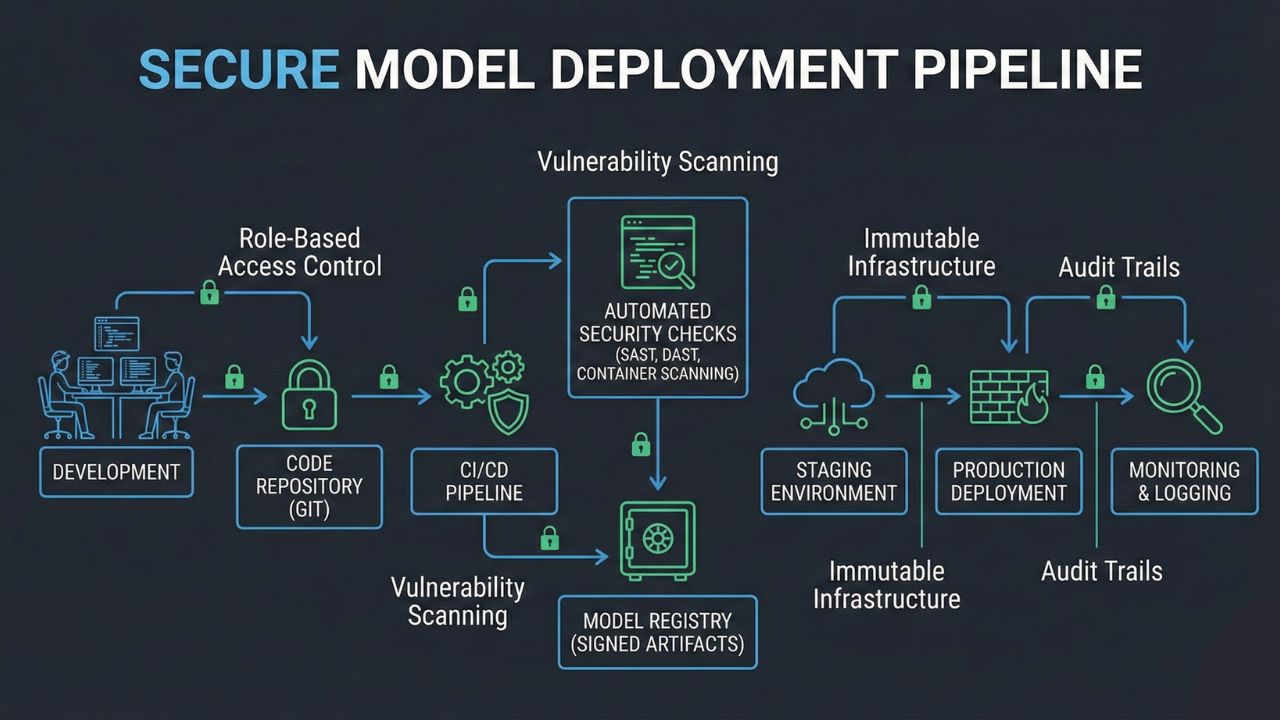



In today’s digital-first environment, organizations are increasingly exposed to fraud attempts across financial transactions, online platforms, and customer interactions. Traditional security measures often struggle to keep pace with evolving cyber threats, making AI security a powerful solution for real-time fraud detection. By combining machine learning, behavioral analytics, and automation, AI security enables businesses to identify fraudulent activities at the moment they occur, preventing losses and safeguarding sensitive information.
The Role of AI Security in Fraud Detection
AI security uses artificial intelligence algorithms to analyze large volumes of data and detect unusual activities that may indicate fraud. Unlike manual monitoring systems, AI-powered solutions continuously scan transactions, user behavior, and system interactions to uncover patterns that human eyes may miss. For example, if a customer’s login attempt comes from two different geographical locations within minutes, AI security tools can flag it as suspicious and trigger an immediate verification process.
Real-Time Monitoring and Automated Response
One of the biggest advantages of AI security is its ability to provide real-time fraud detection. Machine learning models are trained on historical data, allowing them to recognize irregularities instantly. This speed is critical in industries such as banking, e-commerce, and insurance, where fraudulent activities can cause significant financial damage within seconds. Real-time alerts and automated actions such as freezing transactions or locking compromised accounts help reduce the risk before the threat escalates.
Behavioral Analysis for Accuracy
AI security does more than detect obvious anomalies; it also evaluates user behavior over time. By analyzing how a person typically interacts with systems such as login times, transaction sizes, and device usage AI can establish a baseline of normal activity. Any sudden deviation from this pattern is flagged for further review. This behavioral analysis minimizes false positives and ensures that legitimate customers are not inconvenienced, which is crucial for maintaining trust.
Protecting Sensitive Data and Systems
Fraudulent activities often target sensitive financial or personal information. AI security integrates with identity verification systems, biometric authentication, and advanced encryption methods to protect data. For example, in the financial sector, AI security can detect fraudulent credit card transactions by comparing them against spending patterns and alerting users before significant losses occur. In enterprise settings, it can detect insider threats by spotting unusual access attempts to confidential files.
Benefits for Organizations
The adoption of AI security for fraud detection provides multiple benefits:
- Reduced financial losses by stopping fraud before it impacts the business.
- Improved compliance with data protection regulations through proactive monitoring.
- Enhanced customer trust by ensuring safe and secure digital interactions.
- Scalability as AI models adapt to growing transaction volumes without compromising speed.
Conclusion
Fraud is becoming more sophisticated, but so are the tools to fight it. AI security for fraud detection in real-time is not just an added layer of protection, it is a necessity in modern business operations. By leveraging machine learning, behavioral analytics, and automation, organizations can effectively safeguard customer data, prevent financial damage, and stay ahead of emerging cyber threats. Investing in AI security ensures long-term resilience and strengthens digital trust across industries.
For professionals looking to build expertise, pursuing AI security certified courses can provide advanced knowledge and practical skills, helping them implement effective security solutions and enhance career growth in the cybersecurity domain.