


The retina is the light-sensitive layer located at the back of the eye. It is essential for seeing clearly, reading, recognizing faces, driving and enjoying everyday life. Diseases affecting the retina can significantly impair vision, so timely diagnosis and treatment are vital. In Chicago and Plainfield, Illinois, the retina specialist, led by Dr. Ankit Desai, provides advanced care for a wide range of retinal diseases. If you are looking for a great retina specialist in Chicago or an eye doctor in Plainfield, Illinois, knowing about these diseases can help you recognize the warning signs and find the right specialist.
Key Retinal Conditions
We list many of the conditions they diagnose and treat. Below is a summary of the major conditions, and we also tell you what to look out for and how to manage them.
Age-Related Macular Degeneration (AMD)
AMD is a leading cause of vision loss among people over 50. It affects the macula, the part of the retina responsible for sharp central vision. There are two types: “dry” (slowly progressive) and “wet” (with abnormal blood vessels). If you notice distortion in straight lines, central dark spots, or blurry reading vision, these could be early signs. Treatments include lifestyle changes, vitamins, and in wet AMD, intravitreal injections to reduce abnormal blood vessel growth.
Retinal Detachment & Complex Retinal Detachment
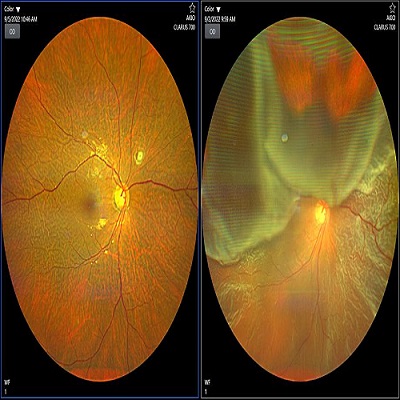
This is an emergency. The retina pulls away from its underlying support tissue. Symptoms can include sudden surge of floaters, flashes of light, or a shadow or curtain over part of your field of view. Surgical options like vitrectomy, scleral buckling, or pneumatic retinopexy may be needed to physically reattach the retina. Prompt treatment is essential to save vision.
Retinal Tears
Tears are breaks in the retina that often precede detachments. They can cause flashes or floaters. If untreated, fluid may seep behind the retina and lead to detachment. Laser surgery or cryotherapy is often used to “seal” tears.
Diabetic Retinopathy
Diabetes can damage the tiny blood vessels in the retina, causing swelling, bleeding, or leaking. Over time, this can lead to vision impairment or blindness. Regular diabetic eye exams, controlling blood sugar, and treatments such as laser therapy or injections are crucial.
Retinal Artery Occlusions
Similar to a stroke in the eye: an artery becomes blocked, reducing blood flow. Sudden vision loss often occurs. Because damage happens quickly, this is an ocular emergency. Management focuses on assessment and sometimes treatments to restore circulation and reduce further damage.
Branch Retinal Vein Occlusions (BRVO)
This is a blockage in a smaller branch of the retinal veins. It leads to blood and fluid backup, causing swelling and vision distortion. Treatment includes injections or laser in some cases.
Lattice Degeneration
This is a thinning area in the peripheral retina. While often asymptomatic, it increases risk of retinal tears/detachment. Monitoring is important; sometimes prophylactic treatment is used if there’s risk.
Vitrectomy for Floaters
Floaters are those little shapes or cobwebs drifting in your vision, often harmless. But if they’re due to vitreous issues or interfere significantly with vision, a vitrectomy (surgery to remove the vitreous gel) can help.
Macular Holes
A macular hole is a full‐thickness defect in the macula that causes blurriness, distortion or a central dark spot. Surgery (vitrectomy + gas or internal limiting membrane peel) often yields good results if done early.
Flashes & Floaters
These are common symptoms, often benign, but might indicate serious conditions like retinal tear or detachment. Any new onset flashes or floaters should be evaluated by a retina specialist.
Epiretinal Membrane
Also called “macular pucker,” this is a thin layer of scar tissue that forms on the macula and causes distortion or visual blurring. Surgical removal can improve vision and reduce distortion.
Central Serous Chorioretinopathy (CSCR)
Fluid leaks under the retina, causing a blister‐like elevation. Often resolves on its own, but persistent cases may need laser or photodynamic therapy.
Ocular Histoplasmosis Syndrome
Caused by a fungal infection, often from soil rich in bird or bat droppings. Can leave scars in the choroid/retina, sometimes causing leakage or bleeding. Monitoring and treatment depend on severity.
Intraocular Lens Dislocation
If a lens implant (often after cataract surgery) becomes displaced, it may interfere with vision or damage other eye structures. Surgical repositioning or replacement may be required.
Sickle Cell Retinopathy
Blood sickle cell disease can damage retinal vessels—causing hemorrhage, ischemia, even retinal detachments. Regular monitoring and treatments help manage complications.
Choroidal Detachment
Fluid or blood accumulates between the choroid and sclera (outer layers of eye), pushing the retina. Can cause pain, vision loss. Treat the underlying cause (trauma, surgery, etc.).
Charles Bonnet Syndrome
A visual hallucination phenomenon occurring in people who have experienced vision loss. Important to distinguish from other neurologic conditions.
Choroidal Nevus & Intraocular Melanoma
A nevus is like a freckle in the eye; most are benign but need monitoring. If changes occur (growth, shape, symptoms), may need evaluation for melanoma.
Retinitis Pigmentosa & Retinal Prosthesis
Family of inherited diseases where photoreceptors gradually die, leading to night vision loss and tunnel vision. Research and retinal prostheses (bionic implants) are evolving fields to help those affected.
Endophthalmitis & Retained Lens Fragments
Endophthalmitis is a severe infection inside the eye; immediate treatment is needed. Retained lens fragments after surgery can cause inflammation or glaucoma; removed surgically.

Finding the Best Retina Specialist: What Makes a Difference
When dealing with any of the above retina conditions, selecting the best retina specialist in Chicago or the right eye doctor Plainfield IL can determine how good the outcome will be. Here are qualities to look for:
- Board certification and specialized fellowship training in vitreoretinal diseases and surgery.
- Experience with advanced diagnostic tools: Optical Coherence Tomography (OCT), fluorescein angiography, ultrasonography.
- Skill in both medical and surgical treatment: intravitreal injections, laser treatments, vitrectomy, retinal detachment repairs, etc.
- Good track record and patient feedback.
- Availability for emergencies retina issues like detachment need prompt attention.
Dr. Ankit Desai is board-certified, fellowship trained, and treats a wide variety of retinal and macular diseases in Chicagoland. For many in Plainfield, IL and nearby, he’s the go-to retina specialist Chicago residents trust.
Macular Degeneration & Why It’s So Important in Chicago
One condition especially common is macular degeneration Chicago residents (especially those over age 60) face. As the population ages, AMD becomes one of the top causes of vision impairment. Key tips:
- Early detection: Regular eye exams, especially if you notice distortion (wavy lines), dark spots, or central vision blurring.
- Lifestyle: diet rich in leafy greens, fish, avoiding smoking, controlling cardiovascular health.
- Medical treatment: for wet AMD, injections of anti-VEGF agents (blocking growth of abnormal vessels). Windy City Retina offers intravitreal injections and laser therapies.
By being aware and proactive, patients can preserve much of their vision and quality of life.
Why Windy City Retina is a Trusted Choice
If you’re looking for a best retina specialist in Chicago, here’s why Windy City Retina is highly regarded:
- They treat all of the above conditions from macular holes, diabetic retinopathy, retinal detachments, to rarer ones like ocular histoplasmosis syndrome or choroidal melanoma.
- They provide a full suite of services: retinal examination, OCT and fluorescein angiography, laser surgery, intravitreal injections, vitrectomy, scleral buckling, pneumatic retinopexy.
- Their approach is both medical and surgical. Some conditions require surgery (e.g. retinal detachment, macular hole), others medical management (intravitreal injections, lasers).
- Location matters: having an eye doctor in Plainfield, IL, who can serve the wider Chicagoland area, makes access easier for many patients. Windy City Retina covers Plainfield and surrounding cities.
What You Should Do If You Notice Symptoms
Pay attention to your vision. Here are warning signs that require seeing a retina specialist immediately:
- New onset flashes of light or a sudden increase in floaters
- A dark curtain or shadow over part of your vision
- Distortion of straight lines (especially for macular degeneration)
- Blurred or wavy central vision
- Sudden, painless loss of vision
Don’t wait early intervention often leads to better outcomes.
How to Choose an Eye Doctor in Plainfield, IL
For people in Plainfield, IL, or nearby suburbs:
- Seek referrals or check reviews for Eye Doctor Plainfield IL specializing or with strong experience in retina subspecialties.
- Confirm that they provide advanced diagnostic tools and are familiar with treatments like intravitreal injections, laser, vitrectomy, etc.
- Evaluate urgent care availability (retina detachments, artery occlusions are emergencies).
- Ask about follow-ups and patient education; doctors who explain conditions and treatments help you become an active participant in your eye health.
Conclusion
Retinal diseases cover a wide spectrum from macular degeneration, diabetic retinopathy, retinal tears, macular holes, to less common ones like choroidal melanoma or retinitis pigmentosa. Early detection, access to specialized care, and choosing a skilled retina specialist Chicago or eye doctor Plainfield IL can make the difference between preserving vision or permanent loss.
If you’re experiencing any warning signs, schedule a comprehensive retinal exam. Clinics like Windy City Retina offer experienced, trusted care for macular degeneration in Chicago and many other retina conditions. Because when it comes to your vision, it’s always better to act early and with the best possible specialist on your side.