

Our eyes are among the most delicate and complex organs in the human body. Every day, they allow us to experience the world through sight, from reading text and recognizing faces to enjoying the beauty of nature. But just like any other part of our body, the eye can be affected by a wide array of diseases and disorders that can impact vision, sometimes permanently if left untreated. In this blog, we will take a detailed look at the major eye diseases, their causes, symptoms, and why early diagnosis and treatment are crucial to saving vision. Much of this information is informed by the comprehensive list of conditions treated by specialists at Windy City Retina, a leading eye care center focused on retina and macula health.
What Is the Retina and Why Is It Important?
The retina is the light-sensitive layer at the back of the eye. It captures light and converts it into electrical signals, which are then transmitted via the optic nerve to the brain, allowing us to see. Since the retina plays such a central role in vision, diseases affecting this tissue can lead to significant impairment or even blindness if not treated in time. Many retinal diseases share common symptoms like blurred vision, floaters (small specks that drift in your field of vision), flashes of light, or shadows blocking part of your vision.
Retinal Tears and Retinal Detachment
A retinal tear occurs when the retina develops a small rip or hole due to age-related changes in the vitreous-the clear, gel-like substance that fills the inside of the eye. Over time, this gel can shrink and pull on the retina, causing tears.
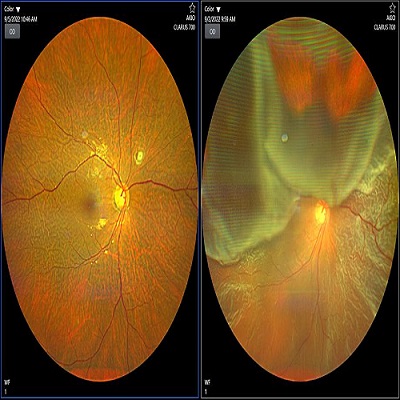
If fluid passes through a tear, it can lift the retina away from its underlying support tissue, leading to retinal detachment. This is an eye emergency. Without prompt treatment, a detached retina can cause permanent vision loss. Symptoms often include flashes of light, new floaters, and a “curtain” or shadow moving across your field of vision.
Diabetic Retinopathy and Diabetic Macular Edema
One of the most common eye diseases worldwide is diabetic retinopathy, a complication of diabetes that damages the tiny blood vessels in the retina. Over time, high blood sugar levels can weaken these vessels, causing them to leak fluid or even close completely. This causes blurred vision and can progress to more serious stages, including the growth of abnormal blood vessels that bleed into the eye. When this leakage affects the macula (the central part of the retina), it’s specifically called diabetic macular edema (DME).
People with diabetes also have a higher risk of developing other eye problems like cataracts and glaucoma. Controlling blood sugar and regular eye exams are key to early detection and minimizing vision loss.
Age-Related Macular Degeneration (AMD)
Age-Related Macular Degeneration affects the central part of the retina (the macula) and is a leading cause of vision loss in adults over 50. There are two main forms:
Dry AMD – The more common form, characterized by gradual thinning of the macula and buildup of tiny yellow deposits called drusen.
Wet AMD – Less common but more aggressive, caused by abnormal blood vessel growth under the retina that can leak fluid and blood, leading to rapid central vision loss.
Early signs of AMD include distorted or blurred central vision and difficulty recognizing faces. An Amsler grid test is often used to help detect changes in macular vision.
Retinal Vein and Artery Occlusions
Central Retinal Vein Occlusion (CRVO) and Branch Retinal Vein Occlusion (BRVO) occur when a blood clot blocks a vein that drains blood from the retina. This leads to swelling and bleeding, which can blur vision. Similarly, retinal artery occlusion happens when an artery supplying oxygen to the retina is blocked, often resulting in a sudden, painless loss of vision in one eye. These conditions can be associated with systemic issues like high blood pressure or diabetes.
Vitreous Floaters and Flashes
Many people experience floaters and flashes at some point. Floaters are tiny shadows cast on the retina by small clumps of gel inside the vitreous. Flashes are brief flashes of light, usually caused by the vitreous pulling on the retina. Although often harmless, a sudden increase in these symptoms can signal a retinal tear or detachment and should prompt immediate medical attention.
Macular Hole and Vitreomacular Traction Syndrome
A macular hole is a small break in the macula that mainly affects central vision. It often starts gradually, causing distorted or blurred central vision, and typically affects people over 55. Another related condition, vitreomacular traction syndrome, happens when the vitreous gel adheres too strongly to the macula, pulling on it and potentially leading to visual distortion.
Lattice Degeneration
Lattice degeneration is a thinning and weakening of certain areas of the peripheral retina. Although it often causes no symptoms on its own, this condition increases the risk of retinal tears or detachment. If you have lattice degeneration, your eye doctor will likely monitor it closely over time.
Epiretinal Membrane (Macular Pucker)
An epiretinal membrane forms when a thin layer of scar tissue develops on the retina’s surface. While many cases are mild and don’t significantly affect vision, some can lead to blurred vision or distortion in the central field of vision.
Central Serous Chorioretinopathy
Central Serous Chorioretinopathy (CSC) causes fluid to build up under the retina, which may temporarily blur central vision. It’s more common in men and often affects people under stress. Although many cases improve on their own, some may require intervention if chronic
The Importance of Early Detection and Treatment
Vision loss often occurs gradually and painlessly, which makes regular comprehensive eye exams essential — especially for those with risk factors like diabetes, high blood pressure, or a family history of eye disease. Advanced diagnostic tools like optical coherence tomography (OCT), fluorescein angiography, and ultrasonography help eye specialists detect problems early, monitor disease progression, and guide personalized treatment plans.
Treatments may include medications, laser therapy, intravitreal injections (injections inside the eye), or surgical procedures like vitrectomy or retinal reattachment surgery, depending on the condition. Early intervention often preserves vision and significantly improves outcomes.
Conclusion
Eye diseases can affect anyone at any age, but many are more common with age or as complications of systemic conditions like diabetes and hypertension. From retinal tears and diabetic retinopathy to macular degeneration and retinal detachment, understanding these diseases helps you recognize warning signs and seek timely medical care. Regular eye checkups, a healthy lifestyle including diet and blood sugar control, and prompt attention to changes in vision can protect your sight for years to come.
If you experience symptoms such as blurred vision, floaters, flashes of light, or loss of part of your visual field, don’t delay in consulting an eye specialist. Vision is precious, early action makes all the difference.