

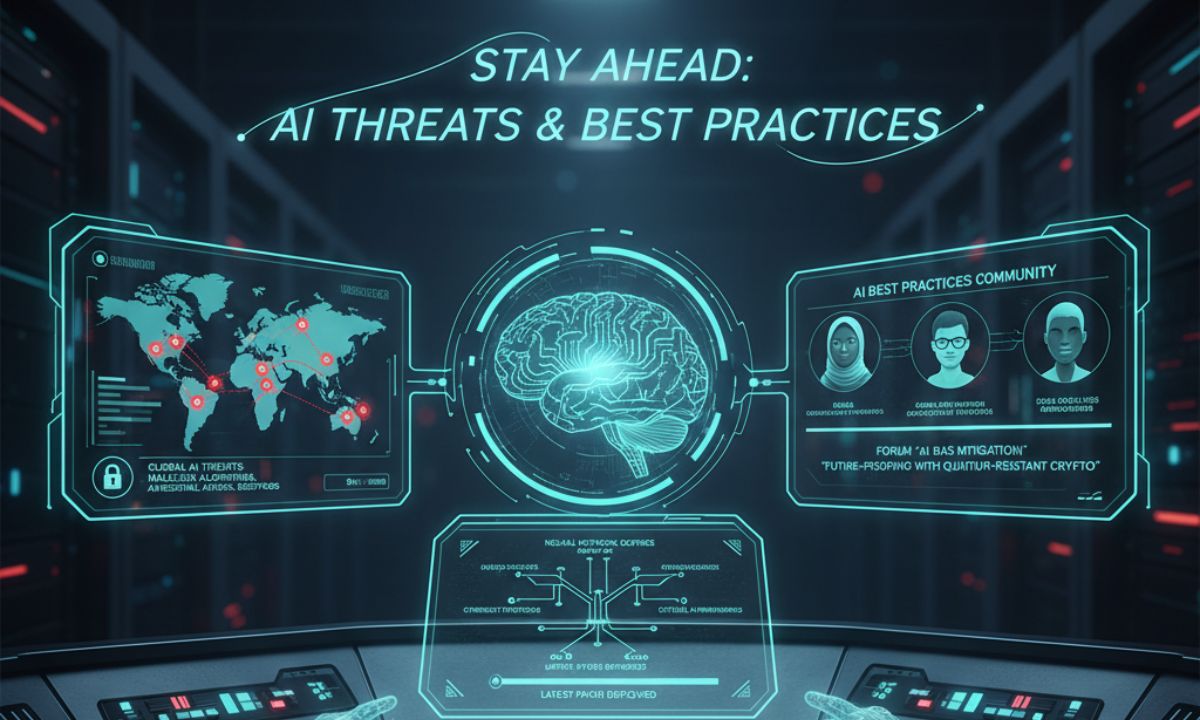
As artificial intelligence (AI) reshapes industries, it also introduces new cybersecurity risks, from deepfake scams to data poisoning. Staying informed about these threats and adopting best practices is essential for businesses, developers, and individuals. By proactively tracking developments and implementing robust strategies, you can safeguard your systems and data. Here are three key ways to stay ahead of emerging AI threats and align with best practices.
1. Follow Trusted Industry Sources and Frameworks
Keeping up with AI threats starts with reliable information. Follow reputable organizations like NIST, CISA, and OWASP, which publish guidelines and reports on AI-specific risks, such as prompt injection or model poisoning. For instance, NIST’s AI Risk Management Framework offers practical steps for assessing and mitigating AI vulnerabilities.
Subscribe to newsletters from cybersecurity platforms like CyberRewire or ZDNET for updates on AI-driven attacks, like phishing emails crafted by large language models. Joining webinars or conferences, such as those hosted by the World Economic Forum, can also provide insights from experts. Regularly reviewing these sources ensures you’re aware of evolving threats and recommended defenses.
2. Engage in Continuous Training and Red Teaming
Hands-on training is critical for understanding and countering AI threats. Enroll in cybersecurity courses that cover AI-specific risks, such as spotting deepfake voices or detecting adversarial inputs that trick AI models. Platforms like EC-Council or Pluralsight offer programs tailored to AI security.
Additionally, participate in red teaming exercises, where teams simulate advanced AI-driven attacks to test defenses. These simulations reveal weaknesses in systems and train staff to respond effectively. For example, practicing against AI-generated phishing attempts can sharpen your team’s ability to recognize sophisticated scams. Continuous learning and testing keep your skills sharp and your defenses ready.
3. Monitor Regulations and Collaborate with Peers
AI security is shaped by evolving regulations and industry collaboration. Stay updated on laws and compliance requirements, such as those from the EU or local data protection authorities, which often address AI-related risks like data privacy. Engaging with professional communities, such as cybersecurity forums or LinkedIn groups, allows you to share insights and learn from others’ experiences.
For instance, CISA’s AI Cybersecurity Collaboration Playbook encourages sharing threat intelligence to strengthen collective defenses. Attending local meetups or online discussion groups can also spark ideas for implementing best practices, like securing AI training data or validating model outputs.
Don’t wait for AI threats to catch you off guard. Enroll in our AI Security Course today and equip yourself with the skills to detect, prevent, and respond to emerging risks effectively!
Final Thoughts
Staying ahead of emerging AI threats requires vigilance and a proactive mindset. By following trusted sources, investing in hands-on training, and engaging with regulations and peers, you can build a robust defense against risks like deepfakes or data breaches. These steps not only keep you informed but also empower you to adopt best practices that protect your systems. As AI continues to evolve, committing to ongoing learning and collaboration will ensure you’re ready for whatever challenges come next.