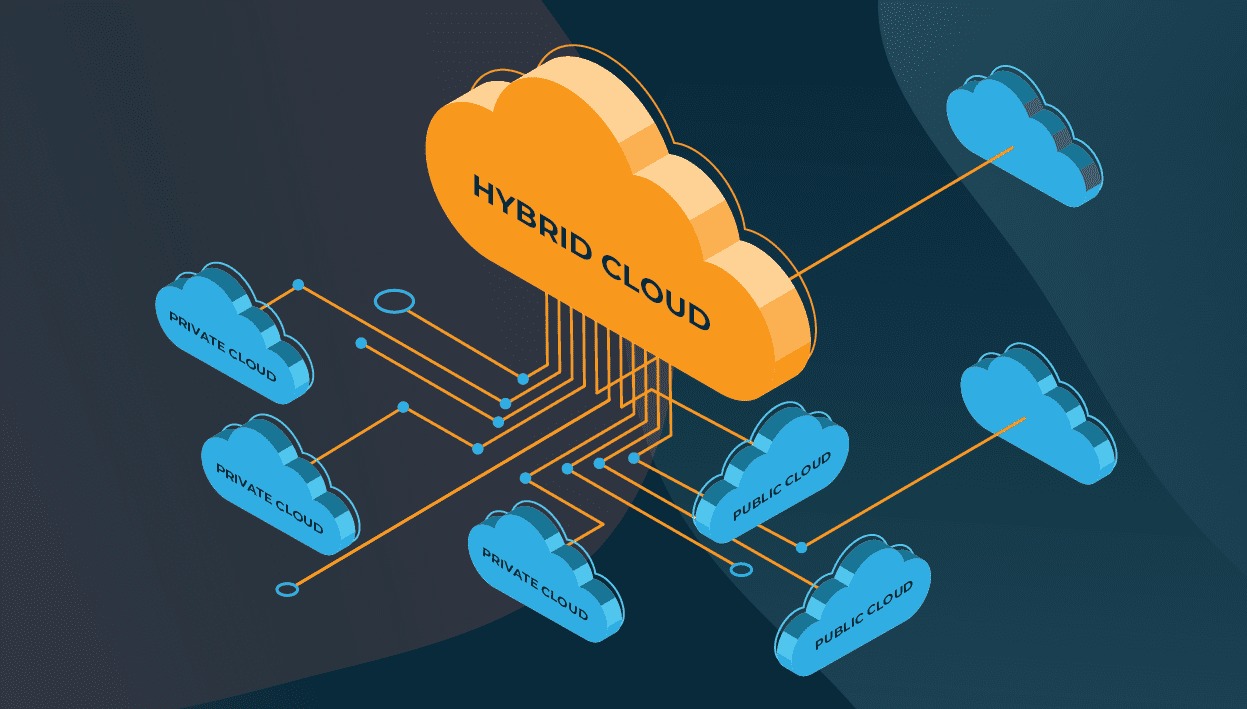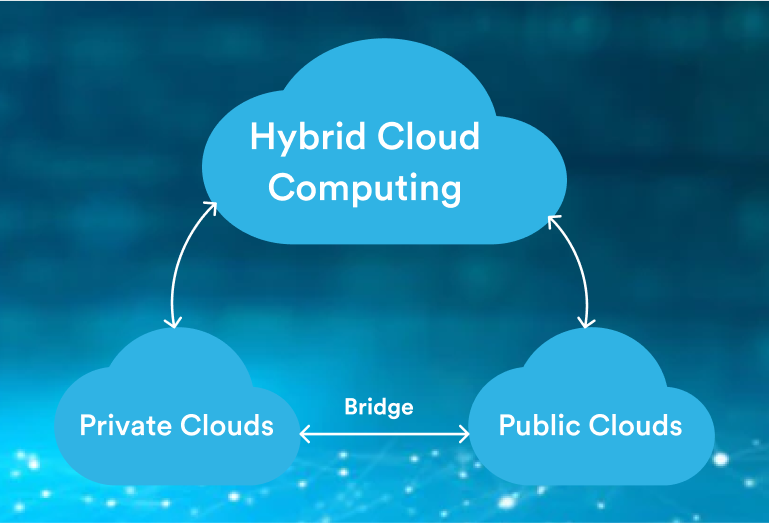
Hybrid cloud computing combines public and private resources into one adaptable system, giving businesses the flexibility to run each workload in the most cost-efficient place.
This approach reduces waste from idle hardware, avoids large upfront spending, and simplifies operations through standardization across environments. Teams gain the freedom to scale quickly for short projects or traffic spikes while keeping stable systems on reliable infrastructure.
By balancing elasticity with control, hybrid cloud helps organizations cut costs, reduce complexity, and unlock greater efficiency.
Let us explore seven practical ways it delivers measurable savings.
1. Right-Sizing Workloads to the Best-Fit Environment
Many costs come from running every workload the same way. Some systems love the elasticity of public clouds during traffic waves. Others run best on stable, reserved capacity in private clouds.
Hybrid cloud computing makes it possible to choose the environment based on performance, seasonality, and compliance needs. You can shift batch jobs to cheaper windows and regions easily.
This balance avoids overspending on one environment for convenience alone. It also keeps you from locking into one vendor’s pricing power. Over time, patterns emerge and guide smarter placement and tuning.
2. Cutting Capital Expenses with Elastic Capacity
Elastic capacity replaces big, upfront hardware buys with flexible usage. You stop paying for hardware that sits idle between peak periods. Instead, you scale up during busy moments and scale down afterward.
This reduces overprovisioning and frees cash for core priorities. Finance shifts from large purchases to smoother operating expenses over time. Procurement cycles shorten, which avoids emergency premiums and rushed mistakes.
- Use autoscaling policies to match capacity to real demand.
- Replace rarely used test hardware with ephemeral cloud sandboxes.
- Prefer reservations or savings plans for steady, predictable baselines.
- Track utilization weekly to remove silent, costly idle capacity.
3. Avoiding Vendor Lock-In Premiums
Relying on a single provider often raises hidden, creeping costs. Prices change, discounts expire, and migration becomes harder each quarter. Hybrid creates options that counter this pricing pressure over time.
You can move select workloads if prices or terms shift unfavorably. That credible option strengthens your hand during renewal talks. It also encourages providers to keep services competitive and clear. Architecture choices support portable deployments and standard interfaces.
Your team avoids building deep dependencies that limit future choices. Finance gains confidence that costs reflect value, not inertia. Over the years, this discipline defends budgets and keeps strategies agile.
4. Smarter Data Egress and Storage Tiers
Data movement can become a hidden tax on growth. A hybrid design helps place data close to users and services. It also helps you choose the right storage class for age and value.
Warm and cold data move to cheaper tiers with clear policies. Lifecycle rules handle transitions without manual labor or confusion. Teams avoid paying premium rates for stale or duplicate assets.
Replication happens where it matters, not everywhere by default. Egress charges drop when traffic patterns match smart placement choices.
5. Consolidating Tooling and Operations
Too many tools waste money and attention every day. Hybrid strategies promote shared platforms across environments and teams. Centralized observability replaces scattered dashboards and overlapping agents. Shared identity reduces license sprawl and access maintenance work.
This reduces training time and supports contracts across stacks. It also makes incident response faster and less chaotic. People use fewer interfaces and gain deeper expertise where it counts. Procurement negotiates larger, cleaner agreements with clearer terms.
Over time, consolidation improves quality while trimming recurring costs. It also clears room for thoughtful upgrades that deliver real value.
6. Automating Governance, Security, and Compliance
Manual governance tasks are slow, inconsistent, and expensive. Automation enforces policies the same way across clouds and clusters.
It prevents drift that leads to waste, rework, and audit pain. Security baselines ship as code, not slide decks and emails. Cost controls, tags, and budgets apply automatically to new resources. Compliance checks run continuously instead of during frantic audits.
7. Accelerating Delivery to Reduce Hidden Labor
Slow delivery hides major, recurring labor costs across teams. Long waits waste engineering time and delay customer value. Hybrid patterns shorten paths from idea to safe production release.
Developers get on-demand environments that mirror production closely. Tests run faster with scalable runners near the code and data. Releases roll out safely using progressive delivery and instant rollbacks.
Fewer incidents mean fewer late nights and context switches. People spend time improving systems instead of fighting fires. That shift reduces attrition risk and preserves institutional knowledge.
Conclusion
Hybrid cloud lowers costs by matching resources to real needs. It prevents waste from idle capacity and rushed, rigid purchases. It limits lock-in premiums by keeping options open and portable. It curbs data egress and storage waste through smart placement and tiers.
None of this requires risky overhauls or grand gestures today. Start small, measure results, and expand what clearly works. Build habits that place each workload where it performs best.
Use clear policies, simple tools, and honest cost reviews monthly. Over time, the savings become steady and predictable. Your teams move faster, and your budget breathes easier. That is the practical promise of hybrids being done thoughtfully.