


When people talk about change at work, the words can feel big and vague. You watch customers switch to new apps, teams ask for quick updates, and leaders push for progress that does not break what already works.
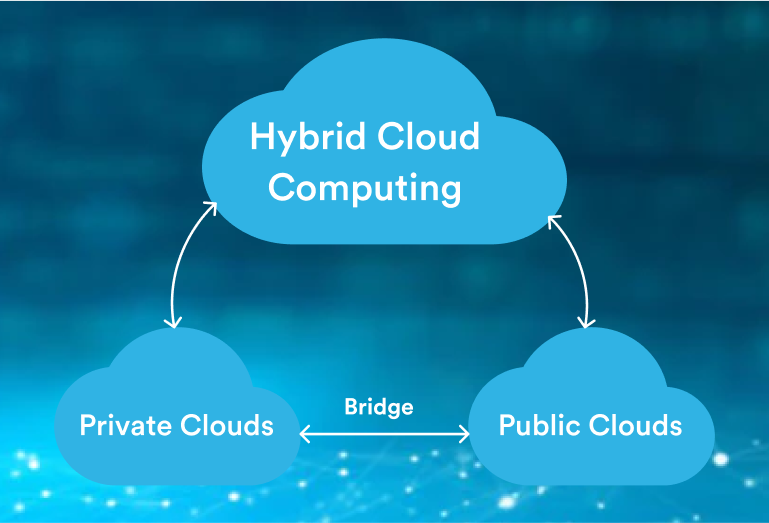
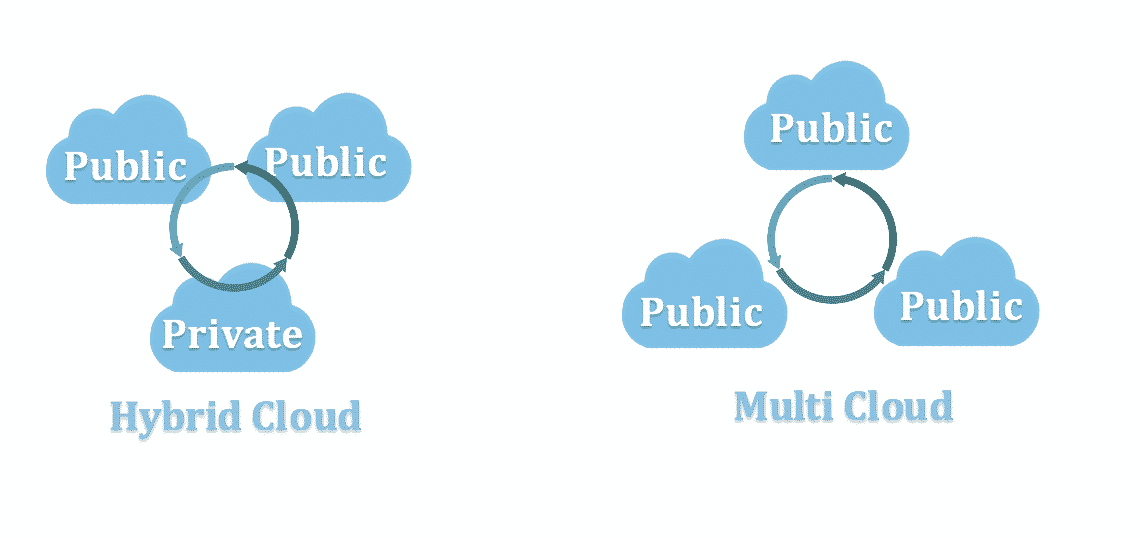
In that fast-changing environment, the hybrid cloud offers a reliable path forward. It combines the familiar on-premises systems you already depend on with the flexible public cloud tools you’d like to explore. This balance allows you to grow and adapt at your own pace while keeping the value of your existing investments.
With the hybrid cloud, you build confidence as you build speed, and that balance sets the tone for real business agility and steady innovation.
1. Boosting Speed and Flexibility Across Teams
Speed matters when customers expect smooth apps and quick updates. The hybrid cloud helps because you place each workload where it runs best. Your stable systems can stay on-prem for low latency and tight control, while new services spin up in the public cloud for rapid testing.
- Developers push code through pipelines that connect both worlds, allowing them to skip long waits for hardware and still meet security checks.
- Product managers plan launches without guessing capacity months in advance.
- Operations teams use shared dashboards to monitor health, logs, and costs from a single view, which keeps handoffs clean.
This approach reduces slowdowns caused by rigid rules or scattered tools. It also lowers the stress that builds when teams rush and hope for the best. By giving teams options, you turn bottlenecks into choices and choices into progress.
2. Cutting Costs and Scaling Smartly Without Guesswork
Costs rise when you buy capacity for peak season and let it sit during quiet days. The hybrid cloud gives you a smarter pattern.
You right-size core systems in your own data center, then burst to the public cloud when demand jumps. This model avoids big upfront spending while keeping control where it matters.
You can also shift noncritical jobs, like nightly reports or training runs, to low-cost time windows. Over time, your data on usage shapes better planning, so you stop guessing and start deciding with facts.
The result is a smooth cost curve that follows real demand, not forecasts that miss. You save money, reduce waste, and keep customers happy during spikes because the system grows only when you need it.
3. Protecting Data and Meeting Rules While Staying Open
Trust grows when you guard data well and respect rules. The hybrid cloud supports that goal by placing sensitive records in controlled environments and linking them to cloud services through secure paths.
You use strong identity for people and apps, apply least-privilege access, and encrypt data at rest and in motion. Central policy engines help you define who can touch what, and those rules follow workloads across locations.
You can share data safely with partners by exposing only what they need through managed interfaces. This balance allows you to innovate without bending the rules or risking leaks.
The hybrid model keeps doors open for new features while keeping locks strong on the rooms that hold your most important data.
Key points:
- Keep sensitive data in controlled zones
- Use one policy model across on-prem and cloud
- Centralize logs and alerts for faster response
4. Keeping Apps Running During Outages and Surprises
You can design active-active setups for key APIs and active-standby for supporting services. Backups are stored in more than one place, and regular restore drills prove that your plan works. Networks utilize private links and secure tunnels to maintain stability under load.
Teams communicate clearly because they follow the same runbooks across environments. This shared approach turns chaos into calm action.
Your customers may not even notice a problem, which protects brand loyalty and frees your teams to focus on the next improvement.
Key points:
- Spread workloads across sites and regions
- Test backups and failover with regular drills
- Use health checks and runbooks to guide quick action
5. Growing People, Process, and Culture While Modernizing
Technology changes work, but people make the change real. The hybrid cloud supports growth because it meets teams where they are.
Platform groups offer shared services like identity, networking, and observability, so product teams can focus on value.
Training plans help developers learn cloud skills while honoring existing strengths. Clear service ownership reduces confusion and speeds up support.
Leaders set simple measures such as lead time, change failure rate, and customer satisfaction to track progress.
Over months, the organization starts to move in sync. People feel proud of new launches that stay stable, and customers notice the steady improvement.
Conclusion
A strong business needs both steady roots and open branches. The hybrid cloud supports that balance by letting you protect what matters while you try new ideas with care.
You speed up delivery, control costs, guard data, stay online during hard days, and turn data into features that delight users.
Most important, your teams grow skills and trust because the path feels clear and manageable.
Start by picking one service with real customer value, map where it runs best, and set simple goals for speed and reliability. Build a small win, share what you learned, and repeat with the next service.
Over time, the benefits stack up and your organization moves with a calm, confident rhythm.
That rhythm is what agility and innovation truly mean: steady progress that customers can feel and teams can celebrate.