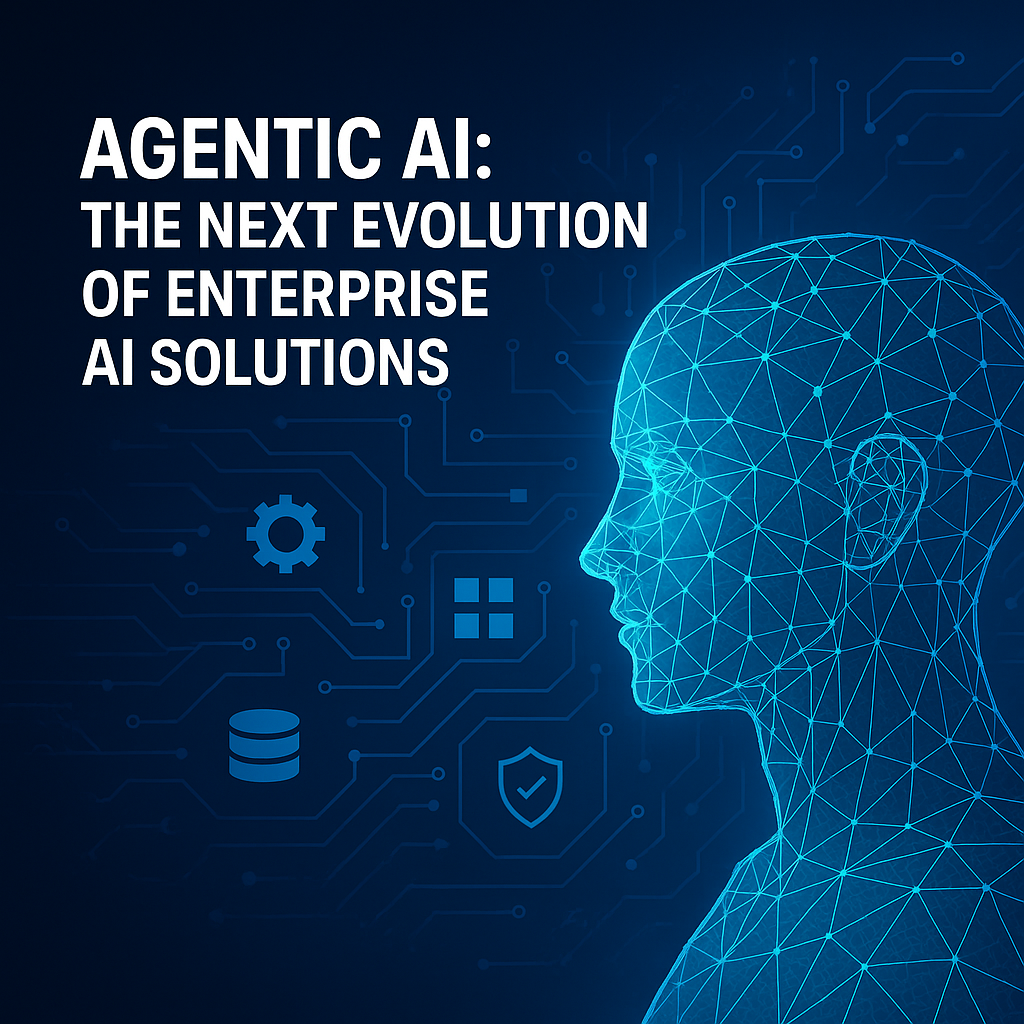



Agentic AI, a type of artificial intelligence capable of autonomous decision-making and task execution, is reshaping the modern workplace. Unlike traditional AI systems, which require strict human guidance, agentic AI can analyze complex datasets, identify patterns, and perform actions with minimal intervention. This capability has significant implications for workforce roles and responsibilities across industries.
1. Redistribution of Routine and Repetitive Tasks
- Agentic AI automates administrative duties such as scheduling, reporting, data entry, and compliance monitoring.
- Employees are able to focus on higher-value work, including strategic planning, problem-solving, and creative initiatives.
- Job roles are evolving from simple task execution to decision oversight and management of AI-driven processes.
2. Demand for New Skills and Competencies
- Employees must now collaborate effectively with AI systems.
- Skills such as analytical thinking, data literacy, and technological proficiency are becoming essential.
- Organizations are investing in reskilling programs to ensure employees can supervise and enhance AI outputs rather than compete with them.
3. Reshaping Organizational Structures
- Traditional hierarchical frameworks are shifting to more fluid structures where AI acts as a collaborative partner.
- Managers coordinate between human teams and AI systems to ensure outputs align with organizational goals.
- Clear communication, continuous learning, and understanding AI limitations are necessary to avoid over-reliance on automation.
4. Productivity, Efficiency, and Workforce Management
- Agentic AI improves operational efficiency and reduces time spent on repetitive tasks.
- However, AI adoption can impact certain roles, particularly low-skill or routine positions, potentially leading to job displacement.
- Organizations must balance automation with human employment strategies, focusing on upskilling and redeployment to maintain workforce morale.
5. Ethical and Accountability Considerations
- Autonomous decision-making by AI introduces ethical and accountability challenges.
- Companies must define boundaries for human oversight and ensure employees understand their role in monitoring AI decisions.
- Responsibility becomes shared between human workers and intelligent agents, creating a dynamic, collaborative environment.
Conclusion
Agentic AI is not merely a technological advancement but a transformative force for workforce roles and responsibilities. By automating routine tasks, enabling data-driven decision-making, and demanding new skill sets, it is reshaping the workplace landscape. Organizations that proactively prepare their workforce through training, role adaptation, and ethical oversight can harness the full potential of AI while fostering a collaborative, future-ready workforce.