


Artificial Intelligence (AI) has become a cornerstone for modern business innovation, offering powerful capabilities in data analysis, automation, and decision-making. However, the rapid adoption of AI also introduces a range of risks, from model inaccuracies and ethical concerns to data privacy breaches and operational failures. Managing these risks effectively is essential for organizations aiming to harness AI's potential while maintaining safety, reliability, and compliance. Implementing structured frameworks for risk management is one of the most effective ways to ensure responsible AI deployment.
Understanding AI Risks
AI risks arise from several factors. Data quality is a critical concern; biased, incomplete, or outdated datasets can lead to inaccurate or discriminatory outcomes. Model reliability is another challenge, as AI systems may behave unpredictably in real-world scenarios due to overfitting or concept drift. Furthermore, AI technologies are increasingly subject to regulatory scrutiny, with laws and guidelines governing data privacy, transparency, and accountability.
Ethical issues, such as algorithmic bias and fairness, also contribute to the complexity of managing AI risks. Addressing these risks requires a structured approach that spans the entire AI lifecycle, from data collection and model development to deployment and ongoing monitoring.
Key Frameworks for AI Risk Management
Several risk management frameworks have been developed to help organizations systematically identify, assess, and mitigate AI-related risks.
1. NIST AI Risk Management Framework (RMF): Developed by the National Institute of Standards and Technology, the NIST RMF provides guidance for managing risks throughout the AI lifecycle. It emphasizes continuous risk assessment, transparency, and accountability. Organizations can use this framework to evaluate AI models, identify vulnerabilities, and implement mitigation strategies that improve system safety and trustworthiness.
2. ISO/IEC AI Standards: The International Organization for Standardization (ISO) and the International Electrotechnical Commission (IEC) have developed standards focusing on AI governance, data quality, and risk management. These standards offer a globally recognized approach to ensuring AI systems are robust, reliable, and aligned with organizational and regulatory requirements.
3. EU AI Act Compliance Framework: With the European Union introducing comprehensive AI regulations, organizations operating in or with EU markets must adopt risk management practices that align with the AI Act. This framework categorizes AI applications by risk level and prescribes specific mitigation measures, transparency requirements, and documentation standards for high-risk AI systems.
4. Organizational AI Governance Frameworks: Many companies adopt internal governance frameworks tailored to their specific operations. These frameworks often integrate risk assessment processes, ethical guidelines, and operational monitoring to ensure AI systems comply with internal policies and external regulations. They promote accountability, cross-functional collaboration, and continuous improvement of AI models.
Best Practices for Managing AI Risks
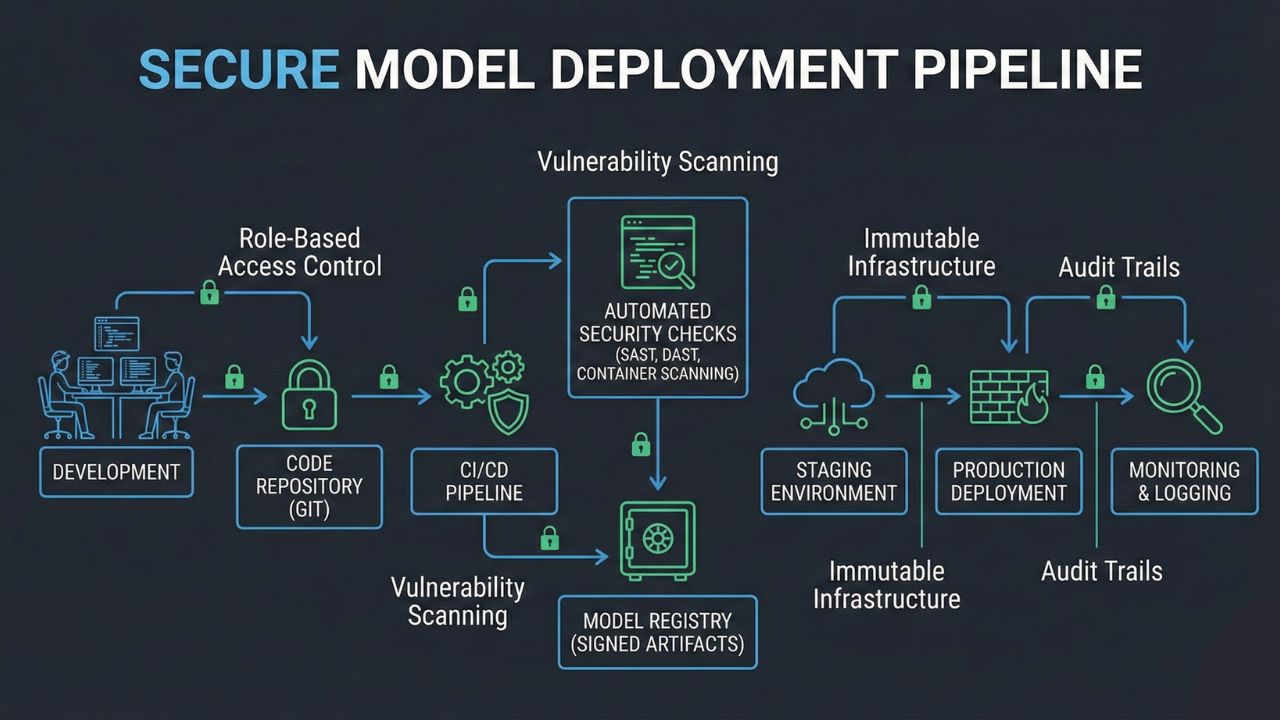
Implementing risk management frameworks effectively requires a combination of technical and organizational best practices. Organizations should establish clear governance structures that define roles and responsibilities for AI oversight. Data management practices, including validation, cleaning, and regular updates, are critical for ensuring model accuracy. Continuous monitoring and evaluation of AI models help detect anomalies, reduce operational risks, and maintain reliability over time.
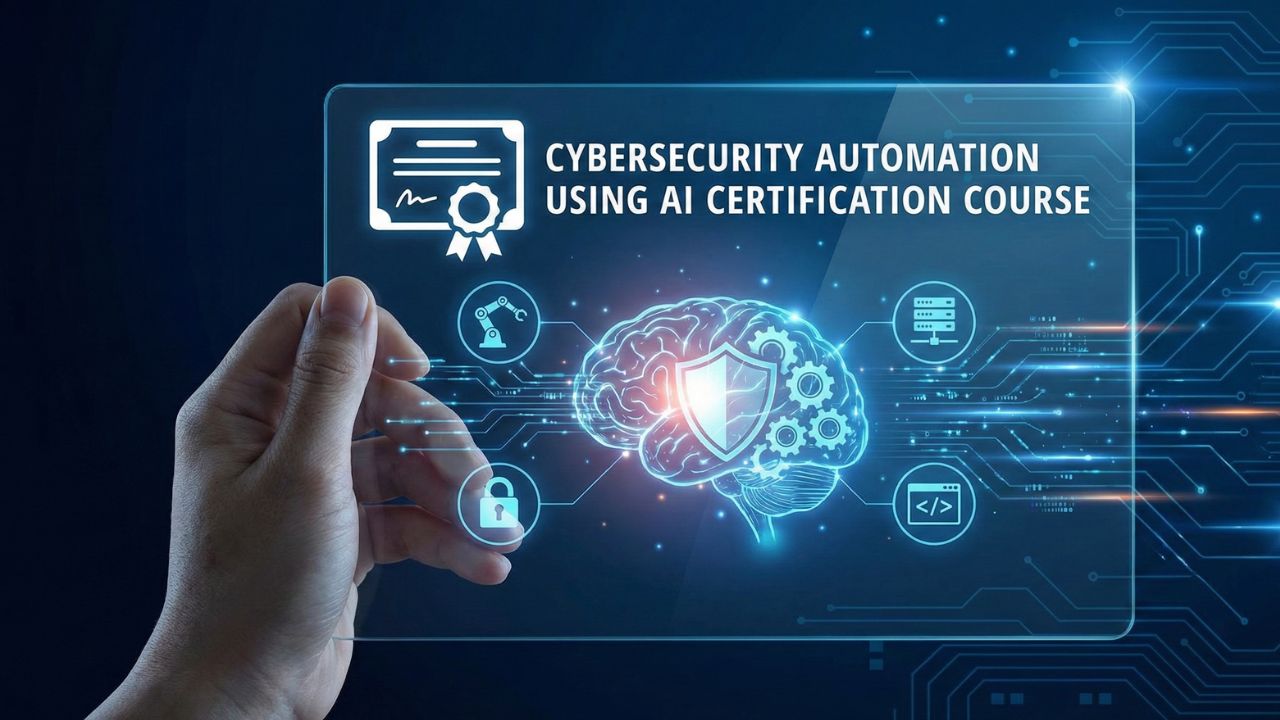
Moreover, organizations should incorporate ethical principles, such as fairness, transparency, and exploitability, into their AI development and deployment processes. Staff training and awareness programs, such as AI security certification, can also enhance the organization’s ability to manage AI risks responsibly.
Conclusion
Managing risks in AI implementation is no longer optional it's a necessity for organizations seeking to leverage AI effectively and responsibly. Frameworks such as the NIST AI RMF, ISO/IEC standards, EU AI Act guidelines, and internal governance structures provide structured approaches to identifying, assessing, and mitigating AI risks.