



“In the age of AI, the right words don’t just communicate—they command.”
Artificial Intelligence (AI) is no longer limited to research labs or technical teams—it’s now part of daily work. From writing emails and generating designs to analyzing data and building code, AI tools are everywhere.
But the value of AI depends on how you use it. A vague request might give you “okay” answers, while a clear, structured instruction can deliver insights and results that save hours. This is where prompt engineering comes in—the ability to craft precise prompts that unlock AI’s full potential.
Like computer literacy in the 90s, prompt engineering is quickly becoming a must-have skill for every professional.
What is Prompt Engineering?
Prompt engineering is the practice of designing clear and effective inputs—questions, instructions, or examples—that guide generative AI systems to produce accurate and useful results.
Think of prompts as blueprints. A simple request like “summarize this report” may give you a generic answer. But a refined prompt like, “Summarize this report in 3 bullet points, highlighting financial risks and recommendations for leadership” ensures the output is sharp and actionable.
For engineers, it’s a technical discipline involving testing and refining prompts—much like debugging code. For professionals in other fields, it’s about turning AI into a reliable partner rather than a hit-or-miss tool.
Why Professionals Need It
Universal Application
AI is transforming work across industries:
- Marketers generate campaign ideas, ad copy, and SEO-friendly content.
- Lawyers draft and review contracts.
- Engineers automate code reviews and testing.
- Teachers design lesson plans and quizzes.
No matter the field, better prompts lead to better outcomes.
Productivity and Quality
Good prompts mean faster insights, cleaner drafts, and higher-quality outputs. Instead of reworking AI’s results, you get what you need on the first try—saving valuable time.
Career Advantage
Training providers like AWS, Google Cloud, and Coursera now teach prompt design in their AI courses. Reports also list it among high-income skills, with roles paying up to $180,000 annually. Even if you’re not aiming for a “prompt engineer” job title, these skills make you more competitive and future-ready.
Future-Proofing
As AI evolves, prompt engineering ensures consistency and adaptability across tools and platforms. With clear prompts, you can switch AI systems without losing accuracy or efficiency.
Core Principles
- Great prompt engineering follows four simple rules:
- Clarity and Specificity – Define format, tone, and length.
- Context – Provide examples, background, or data for accuracy.
- Constraints – Set boundaries like “in 200 words” or “output in JSON” to stay focused.
- Iteration – Refine prompts through testing and adjustments.
Just like traditional engineering, it’s a cycle of defining, testing, and improving—only this time, the system is a generative AI model.
Skills Needed
Strong prompt engineers combine technical skills with human creativity:
Technical Skills:
- Understanding AI and Large Language Models (LLMs)
- Knowledge of tools like LangChain and Hugging Face
- API integration and workflow automation
- Iterative testing and evaluation
Soft Skills:
- Clear communication—translating human intent into AI-friendly instructions
- Creative problem-solving—framing prompts in unique ways
- Domain expertise—adapting prompts for industries like healthcare, finance, or education
It’s not just about knowing AI—it’s about knowing how to talk to AI effectively.
How It Helps Different Jobs
- Prompt engineering is already reshaping professional workflows:
- Quality Assurance – Engineers use prompts to analyze code and detect risks.
- Data Analysis – Analysts extract insights from large datasets in minutes.
- Marketing & Content – Writers create SEO-friendly blogs and personalized campaigns.
- Customer Support – Chatbots deliver accurate, helpful answers with structured prompts.
- Education & Training – Teachers generate tailored learning materials instantly.
The outcome: faster decisions, fewer errors, and smarter workflows.
From Prompts to Workflows
The future goes beyond writing prompts manually. Prompt engineering is evolving into workflow architecture—where prompts are automated, tested, and scaled across organizations
Professionals will:
- Break tasks into smaller, rule-based steps
- Pull live context from databases and documents
- Validate AI outputs with monitoring and checks
- Reuse prompts as versioned assets in enterprise systems
This evolution shifts prompt engineering from an art to an engineering discipline—structured, scalable, and integrated into business logic.
Conclusion
Prompt engineering is more than a niche skill—it’s the bridge between human intent and AI execution.
For engineers, it’s about precision and system integration. For everyone else, it’s about boosting productivity, creativity, and decision-making.
In 2025 and beyond, mastering prompt engineering will be as important as coding, data analysis, or project management. Those who adapt early will lead in the AI-driven workplace.
In short: the future of work isn’t just powered by AI—it’s powered by people who know how to guide it.
Hexaview, as a digital transformation AI-first company, is helping enterprises implement prompt engineering at scale—turning AI into a practical, productivity-boosting tool that drives smarter decision-making and operational efficiency.

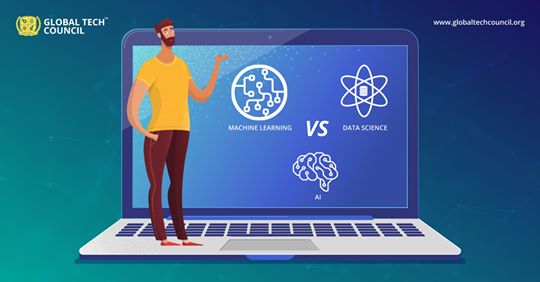
Machine learning connects AI with Data Science.
AI and ML share a hierarchical relationship.
Data science is an interdisciplinary field starting from data analysis, top-level AI automation, and then working the way down to deep learning.

IntroductionArtificial Intelligence and data wisdom are good fields of operations, systems, and further that end at replicating mortal intelligence through machines.
AI represents action-planned feedback of perception.Data Science uses different corridors of this pattern or circle to interrupt specific problems.
Perception, data scientists attempt to identify patterns with the assistance of the info.
planning, there are two aspects Artificial Intelligence Artificial Intelligence (AI) is that the reproduction of human knowledge measures by machines, particularly PC frameworks.
Explicit utilizations of AI contain master frameworks, normal language preparing, discourse acknowledgment, and machine vision.Artificial Intelligence is critical because it can give endeavors experiences into their activities that they could not have known about already and since, now and again, AI can execute assignments better than people.
Especially with regards to dull, thorough assignments like examining enormous quantities of authoritative archives to ensure significant fields are filled in appropriately, AI apparatuses regularly complete positions rapidly and with somewhat a few blunders.Data scienceData science, analytics, and machine learning demand are growing at an astronomical rate and top companies are now trying to find professionals in Data science who can sift through the goldmine of knowledge and help them to require business decisions efficiently.Data science may be a concept wont to tackle big data and includes data cleansing, preparation, and analysis.
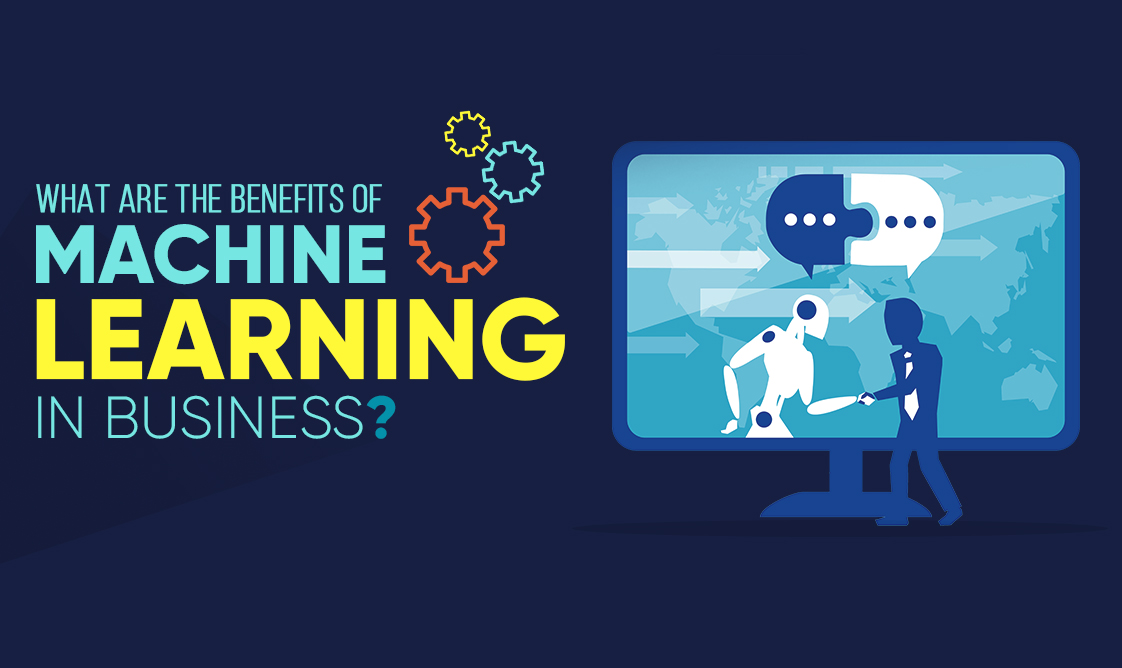
Machine learning in business helps in enhancing business scalability and improving business operations for companies across the globe.