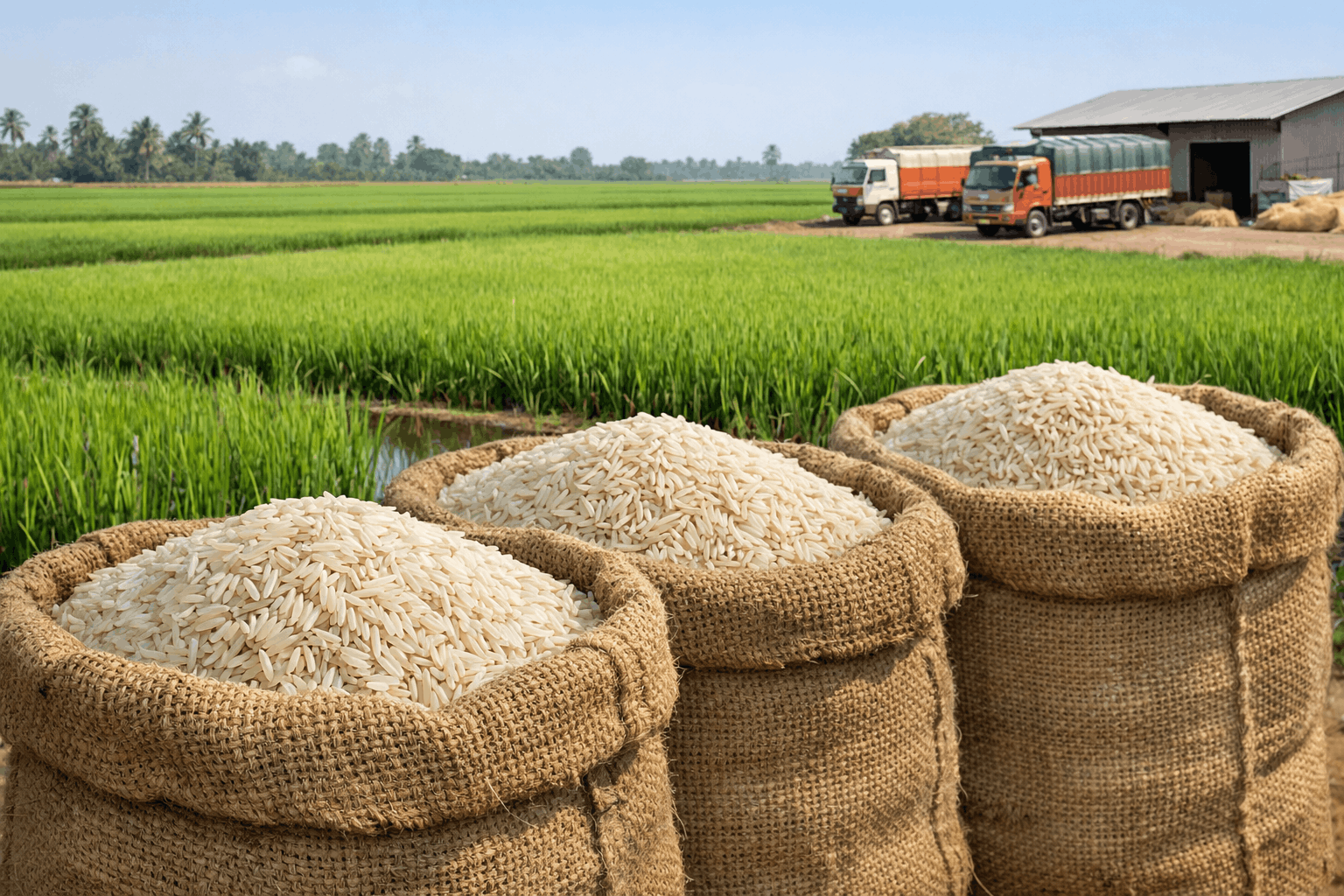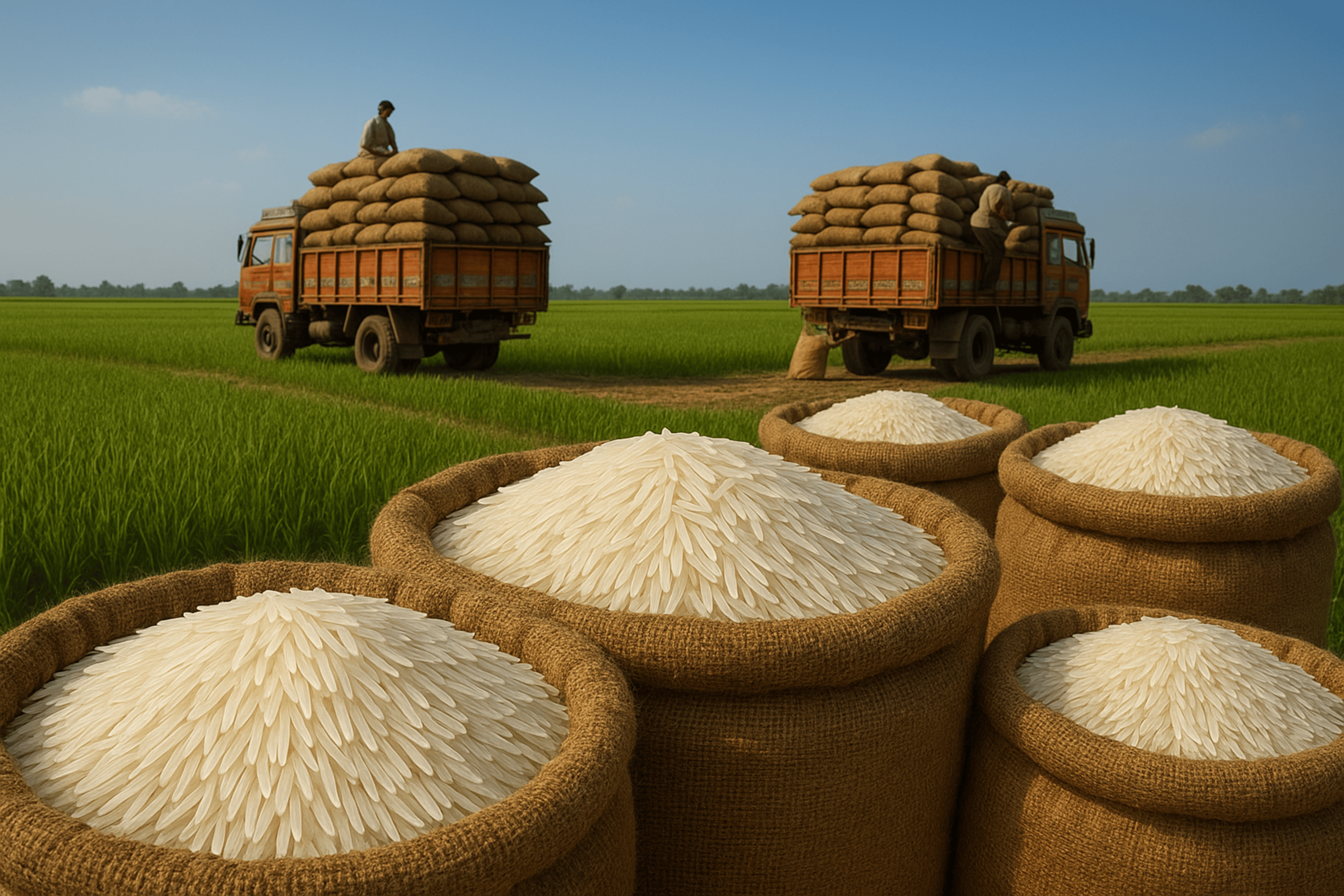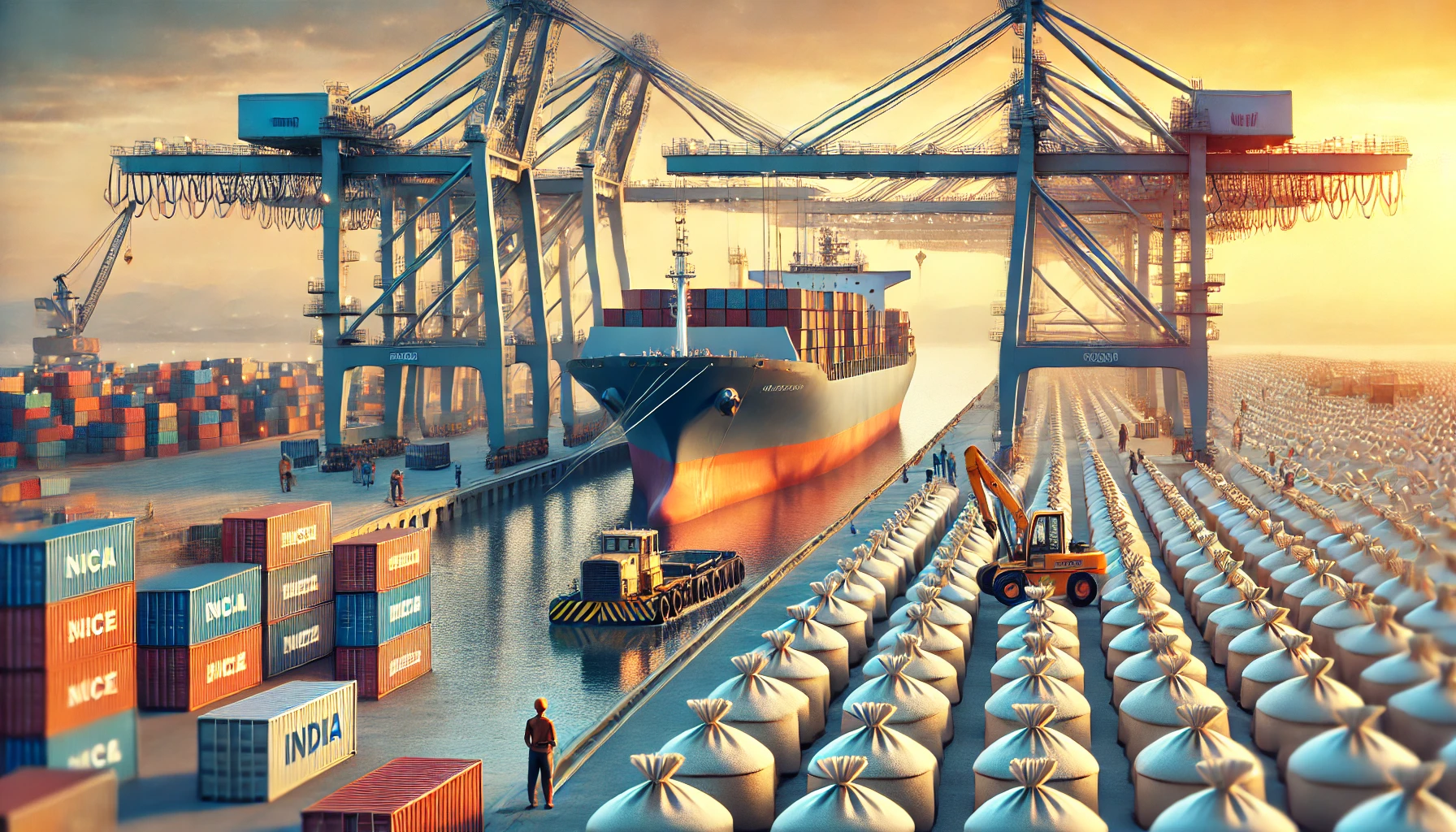


For centuries, the history of Indian agriculture has been deeply intertwined with rice. From the fragrant, long-grain basmati rice that flavors royal biryanis to the robust, nutritious non-basmati varieties that form the staple diet of millions, Indian rice is a highly sought-after global commodity. As the world's largest exporter of this essential grain, contributing over 40% of global rice trade, according to the USDA, India plays a vital role in providing food to countries. But with a vast and competitive market, how can an international buyer find a reliable partner? This guide is your guide, offering a clear look at India's top basmati and non-basmati rice exporters.
The King of Grains: A Look at India's Leading Basmati Rice Exporters
When one thinks of premium rice, basmati rice is undoubtedly the most popular. Cultivated primarily in the fertile Indo-Gangetic plains, this aromatic variety has Geographical Indication (GI) status, ensuring its unique quality and provenance. Basmati rice is renowned for its distinctive aroma, delicate flavor, and long grains that elongate upon cooking. In niche markets across the Middle East, Europe, and North America, it is a favorite choice for gourmet dishes, biryanis, and pulao.
Top Rice Exporters from India:
- KRBL Limited: Known for the iconic "India Gate" brand, it is one of the world's largest integrated rice mills.
- LT Foods Limited: Exporter of the popular "Daawat" brand; with a strong focus on quality control and sustainable sourcing.
- Shri Lal Mahal Group: A leading exporter of premium basmati and non-basmati varieties such as Sona Masuri.
- Kohinoor Foods Limited: A well-known name with a wide product portfolio, including ready-to-eat solutions.
- Amira Nature Foods: A global distributor with a strong presence in international retail chains.
- V Exports India Private Limited: A dynamic player in the Indian rice export market, trading a wide range of premium basmati and non-basmati rice.
- Satyam Balaji: A leading company with a special focus on the Middle Eastern and African markets.
Beyond Basmati: Exploring Non-Basmati Rice Exports
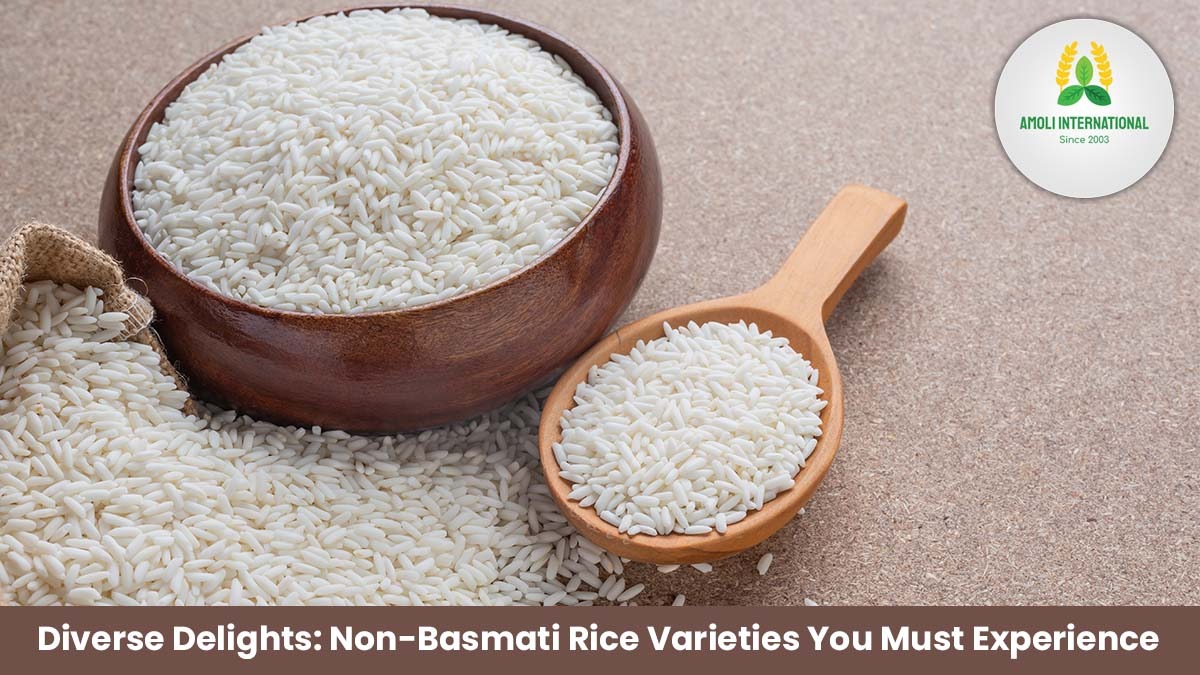
Basmati rice often grabs the headlines, but India's non-basmati rice exports form the backbone of its volume-based trade. This category includes diverse varieties such as Sona Masuri, Ponni, Swarna, and parboiled rice. These varieties are known for their affordability, nutritional value, and versatility, making them a vital pillar of food security for countries in Africa, Asia, and the Far East.
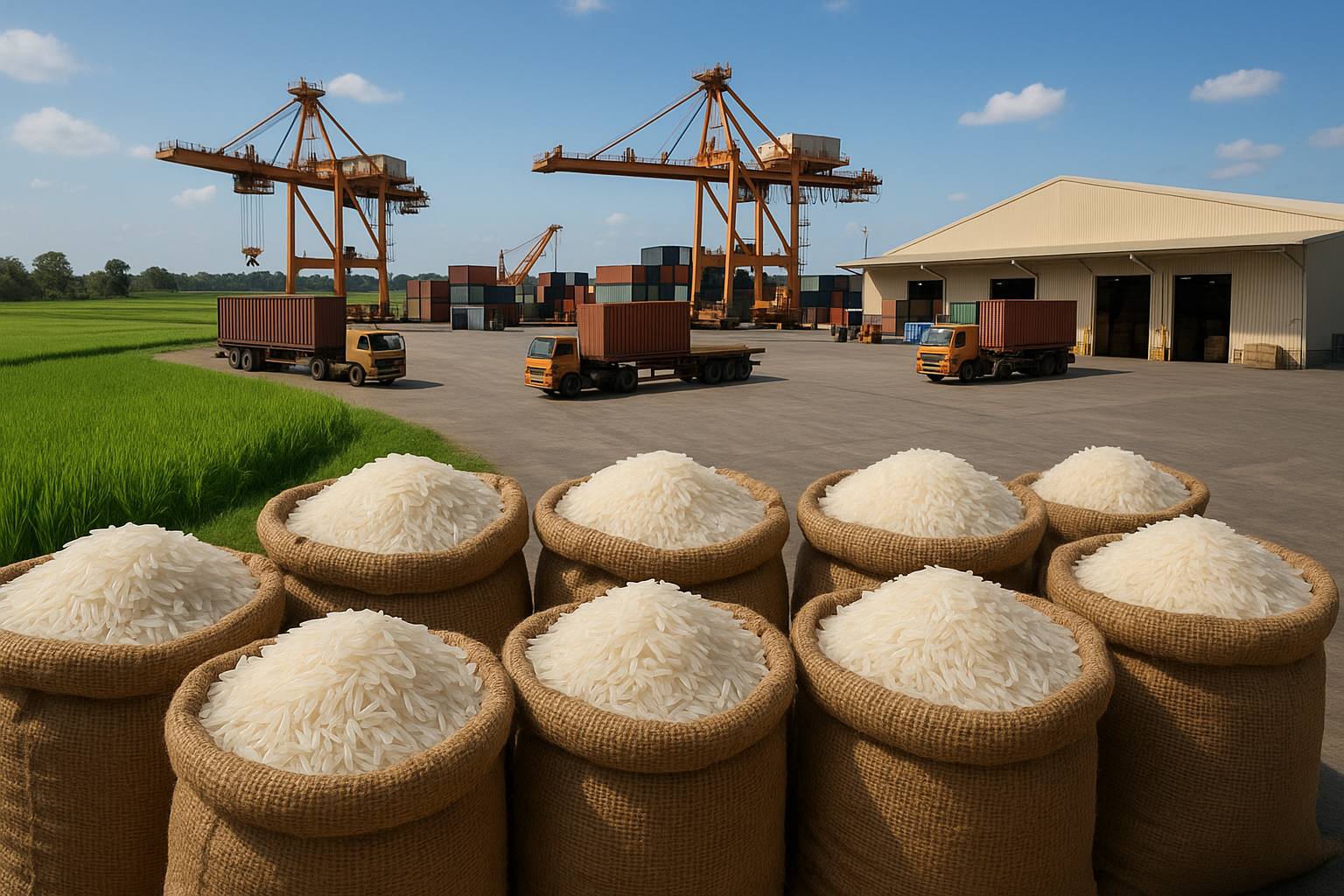
The non-basmati sector is driven by exporters who can efficiently produce large quantities while maintaining consistent quality. Their expertise lies in logistics, cost-effective sourcing, and meeting the specific quality standards of various international markets.
How to Choose: Key Factors for Choosing the Right Rice Exporter
Choosing the right exporter is more than just comparing price lists. A trustworthy partner ensures reliability, quality, and compliance. Here are the key factors to consider:
- Reputation and Experience: Look for companies with a long-term presence and positive testimonials. A strong track record is a good indicator of credibility.
- Quality Certification: Ensure the exporter has relevant certifications, such as ISO, FSSAI, or APEDA membership. These demonstrate a commitment to standardized quality and food safety protocols.
- Logistics Capability: The ability to handle shipping, documentation, and timely delivery is crucial. Inquire about their experience with your target port.
- Product Range and Flexibility: Can they supply the specific variety, grade, and packaging you need? A supplier with a diverse portfolio may be a more versatile partner.
- Financial stability: A financially strong company is better equipped to handle market fluctuations and fulfill large contracts.
The Future of Indian Rice: Trends and Global Demand
The future of Indian rice exports looks bright. The global population is growing, and with it, the demand for staple foods. Trends are shifting toward healthier options like brown basmati rice and organic rice varieties. Furthermore, the Indian government, through APEDA (Agricultural and Processed Food Products Export Development Authority), actively encourages and supports exporters, ensuring quality and market access. Although challenges such as unstable export policies and international competition exist, India's diverse product range and production capacity position it to remain a major force in the global rice market for the foreseeable future.
By understanding the landscape and partnering with reliable suppliers, international buyers can easily benefit from the quality and diversity of Indian rice.