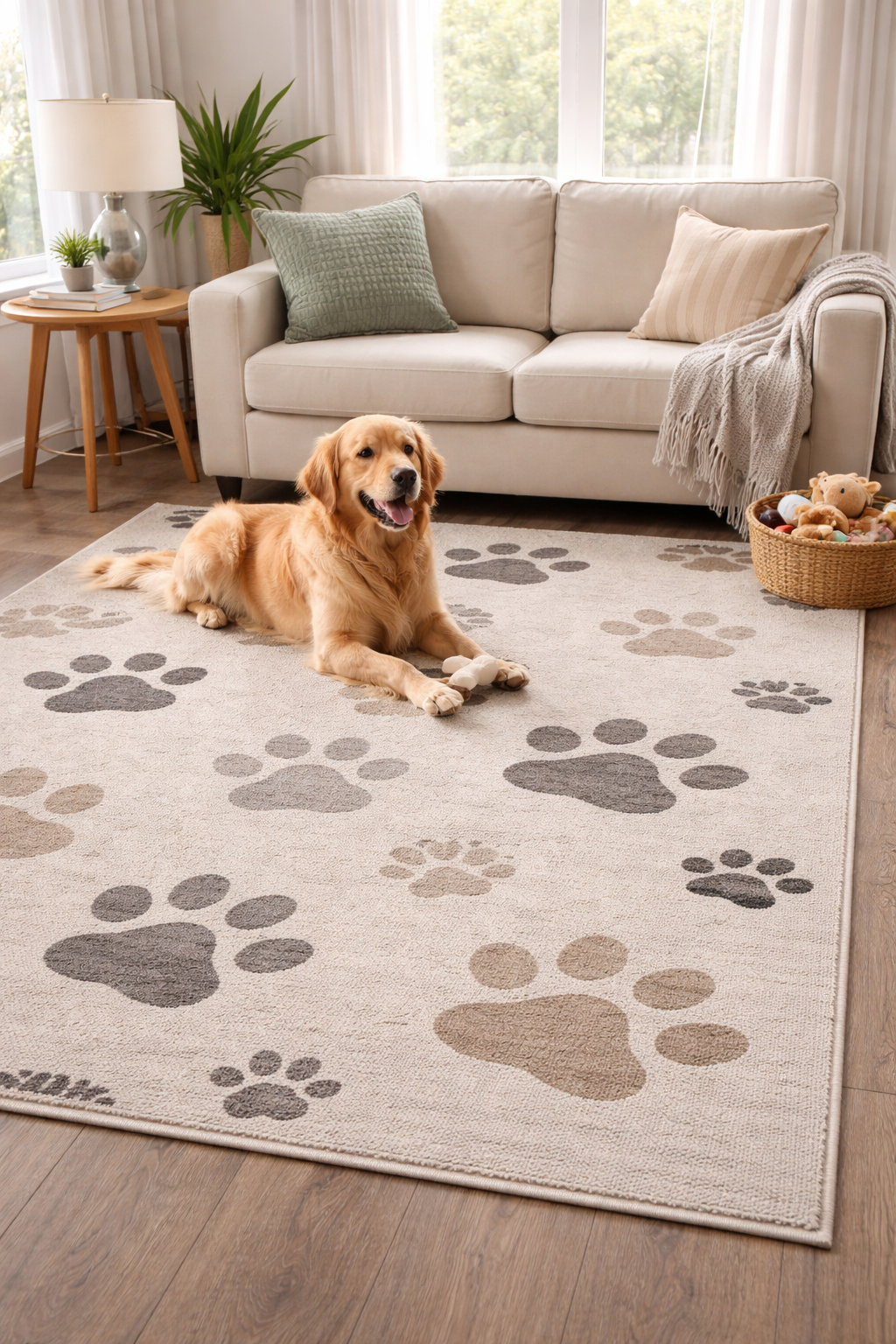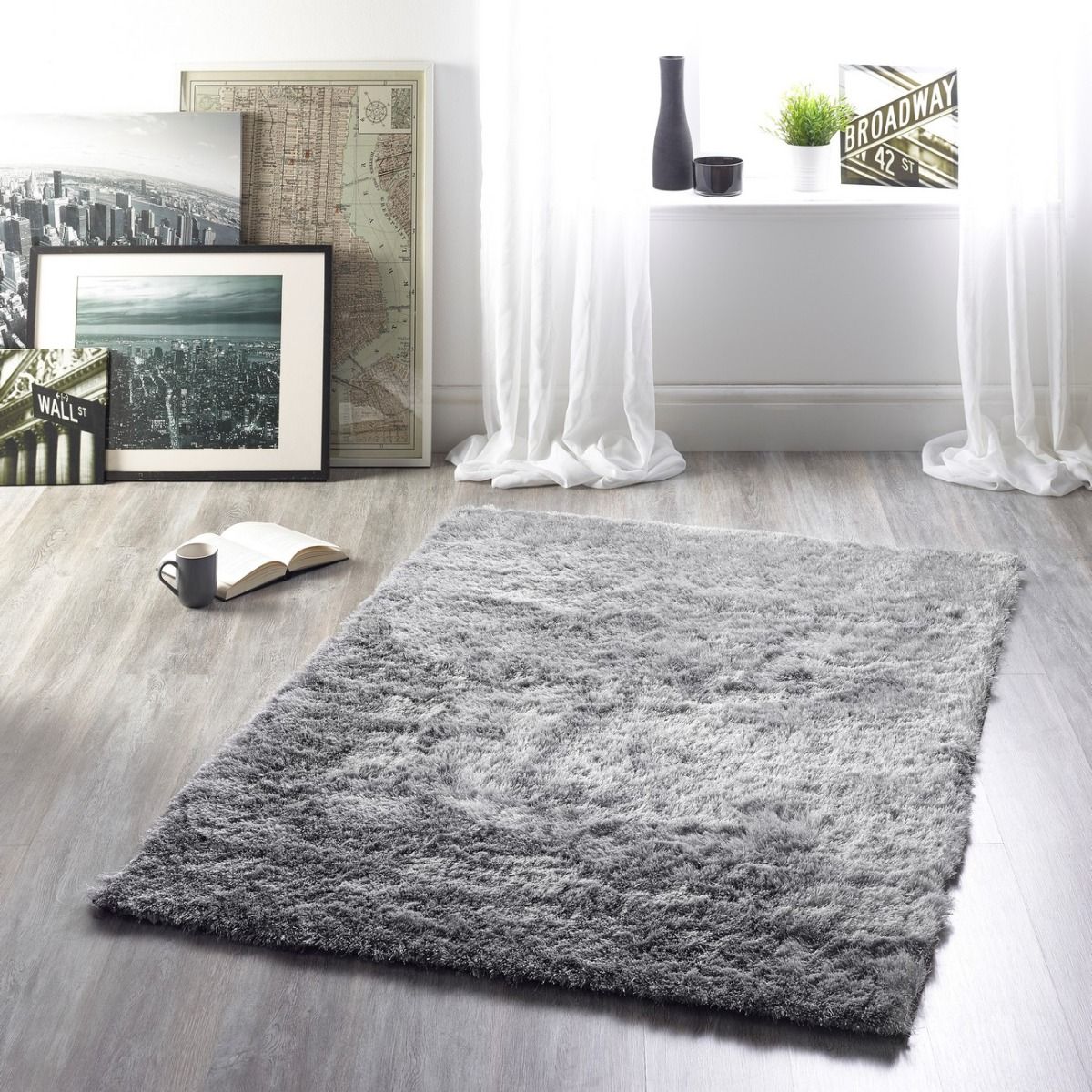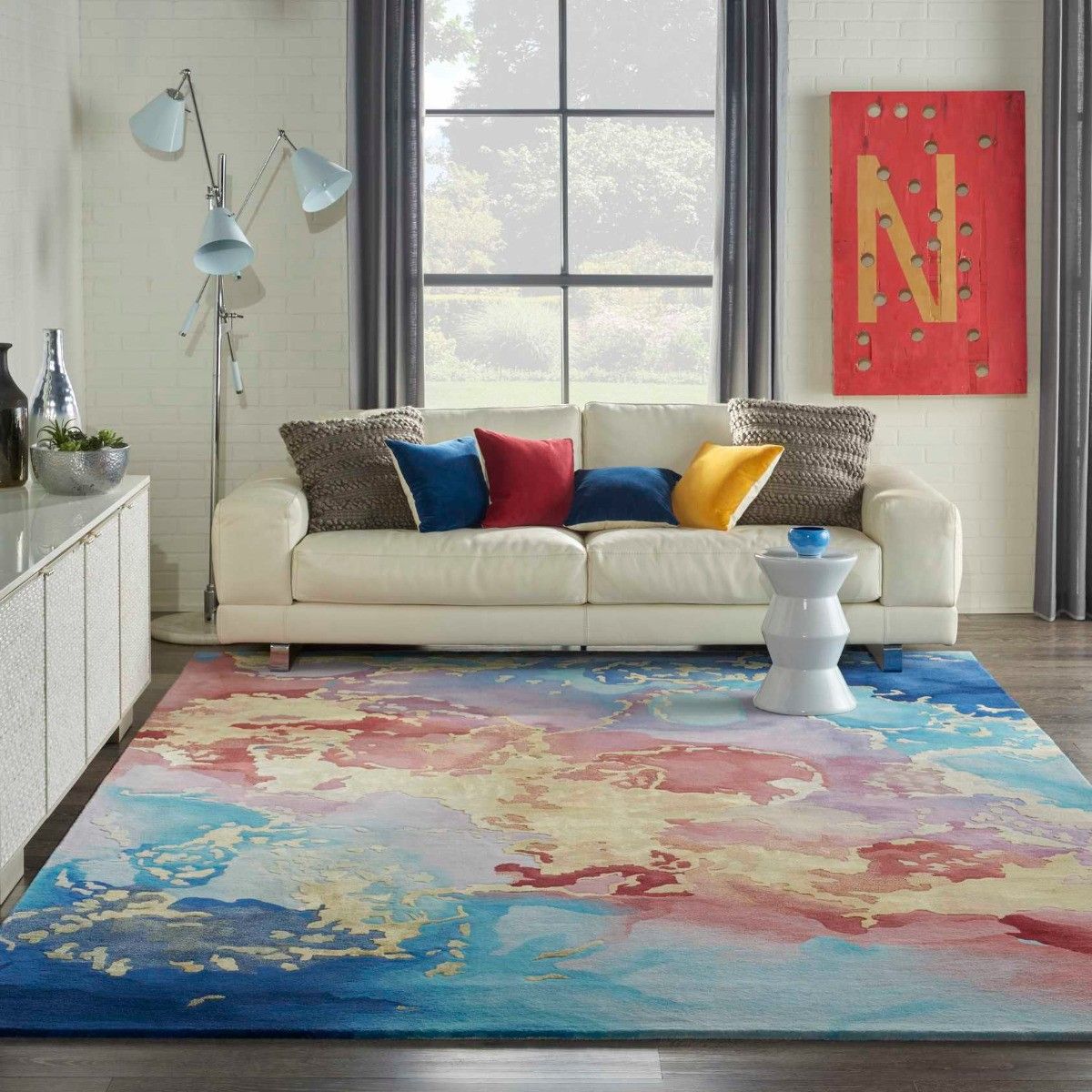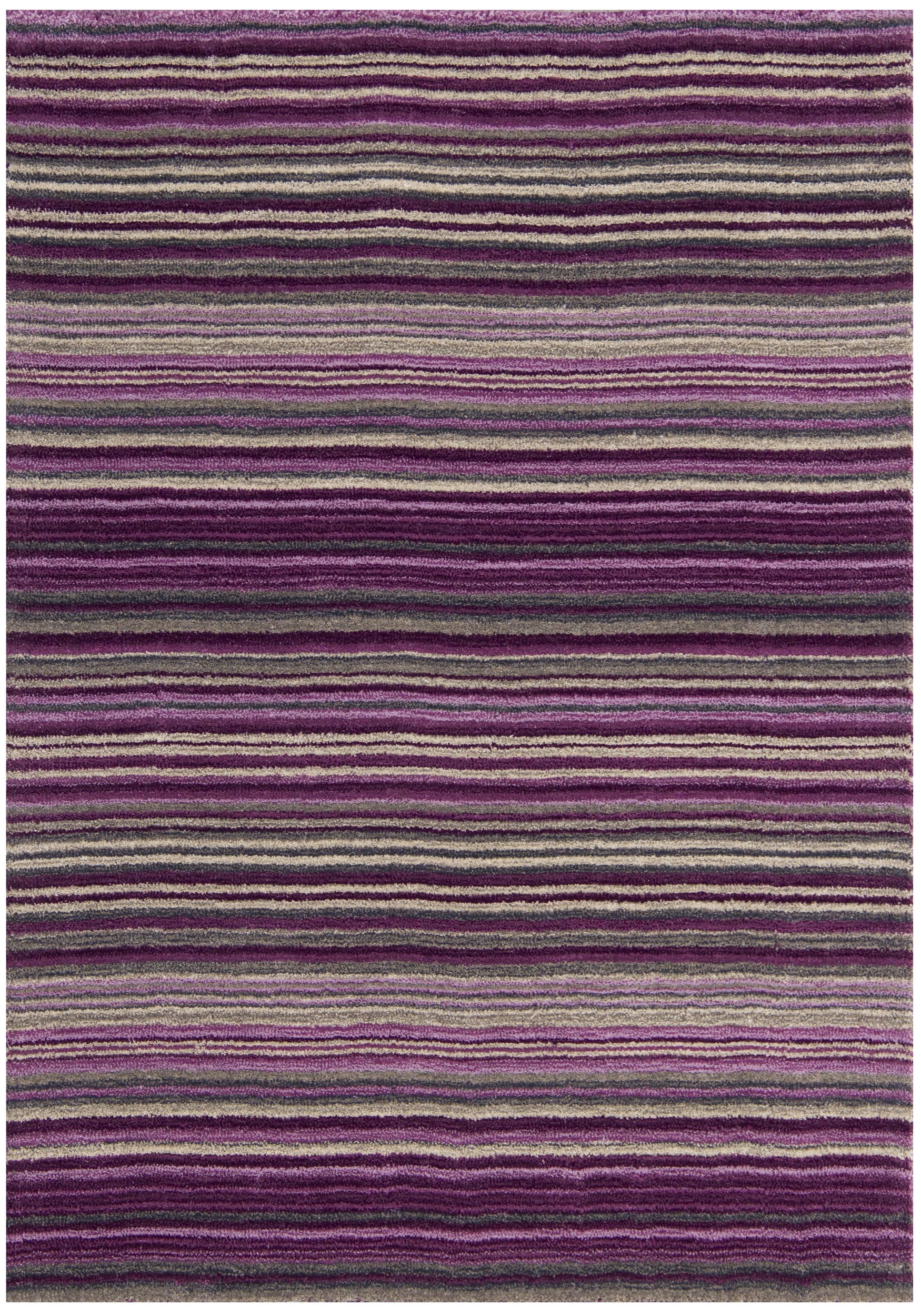
When it comes to styling UK homes, choosing the right rug can feel like a surprisingly big decision. Rugs don’t just add warmth and comfort underfoot, they also set the tone for your entire room. Buy here’s the question many homeowners ask: should you go for the timeless luxury of wool rugs or the practicality of synthetic ones? Both have their strengths. The choice really depends on your lifestyle, budget, and the vibe you want to create in your living space. In this blog, we’ll compare Wool Rugs with their synthetic counterparts in detail, breaking down style, comfort, maintenance, and cost, so you can decide which one truly suits your home and family needs.
What's Unique About Wool Rugs?
Wool is a natural fiber with real world benefits in our homes:
Natural benefits:
a. Naturally warm: Wool traps air inside the threads, which makes floors feel hotter, a big help when it's cold.
b. Durable and springy: Good wool springs back after feet step on it; it doesn't get flat and worn after weeks of guests.
c. Soil resistance: Wool's naturally bumpy surface and lanolin make it hard for dirt and spills to stick; dirt stays within the rug, not on top.
d. Fire resistance: Wool doesn't catch fire easily, unlike many man-made materials.
e. Biodegradable: When a wool rug is done, it won't sit in a dump like plastic does.
The realism:
a. Price: Wool costs more at first. It’s an investment.
b. Absorbent: Wool takes in water, so if it gets wet you need to dry it well.
c. Care: Wool needs soft care; clean it often and sometimes get a pro to clean it if you want it to last.
Texture, appearance, and feel:
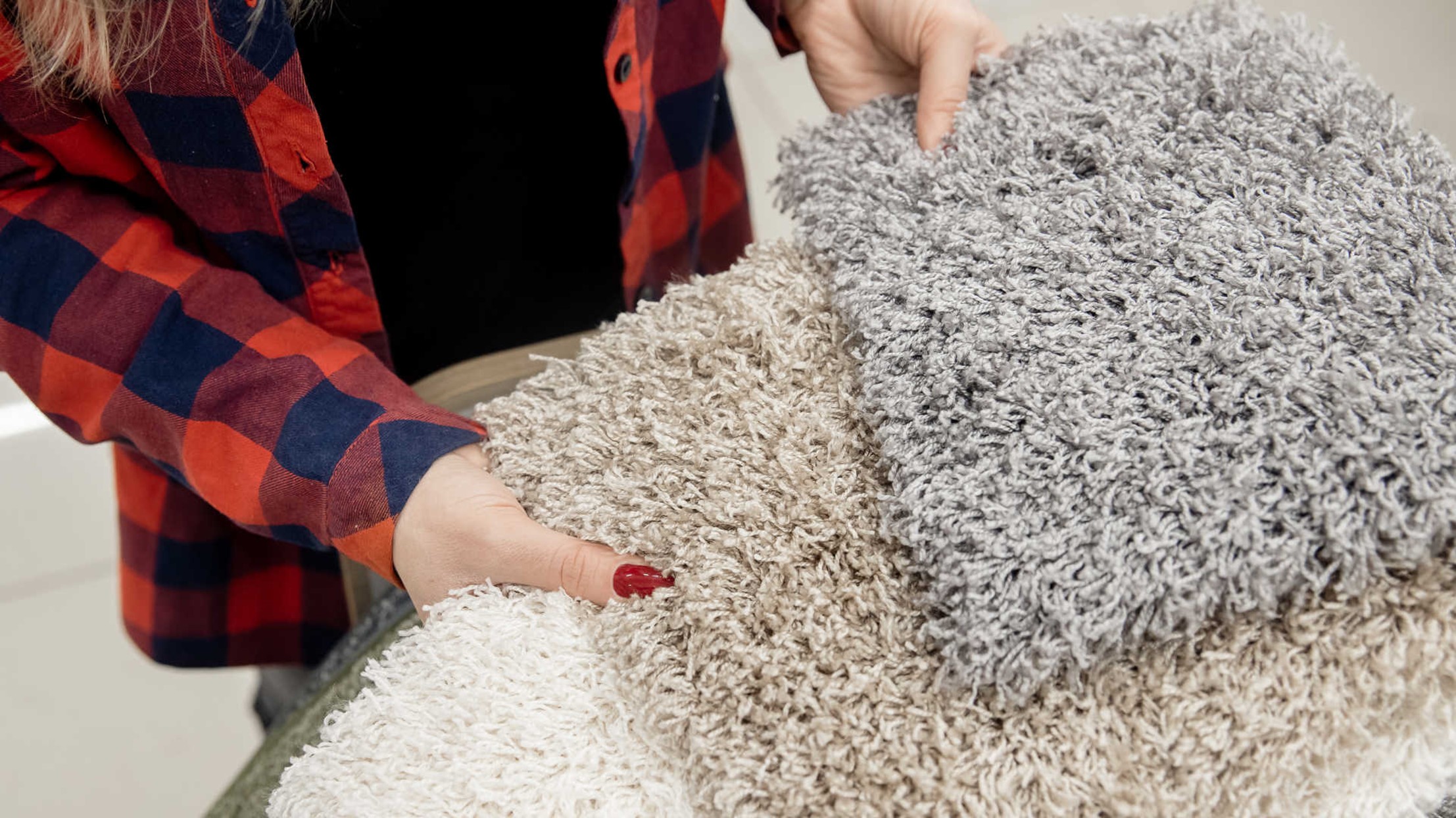
Wool looks rich and feels soft. It takes up dye well and keeps its color vibrant for a long time. You can find everything from simple flat weaves to thick, soft rugs. Wool ages gracefully, gaining a warm soft look over time, not a worn-out flat one. This type of aging seems elegant.
Pro-Tip: For bedrooms go for a thick, low-to-medium pile wool rug and the right underlay. Your first step out of bed will feel like a small treat every day.
Why Pick Synthetic Rugs?
Fake fibers are things like polypropylene (olefin), nylon, polyester, and now, recycled PET. Each type has its own features, but fake rugs all have some common good points:
Good things about them:
a. Hard to stain and wet: a lot of fake materials don't soak up spills; they form droplets and you can dab them away before they set. Polypropylene is known for being easy to clean and dries fast.
b. Cheap cost: fake rugs tend to cost less and are cheaper to swap out.
c. Can take lots of can clean fake rugs with a hose, by spot cleaning, or by machine if they say they are washable.
Caveats:
a. Feels less luxurious: Even the best fake rugs can't match the warm and deep feel of wool.
b. Environmental concerns: Many fake rugs are made from plastic. Even though some use recycled stuff, getting rid of them and the tiny plastic bits they leave behind is still a worry.
c. Heat sensitivity: Some fake rugs can melt if they get too hot or are rubbed too much (this doesn't happen often in homes, but it's good to know).
d. Static: Fake rugs can make static when the air is dry in the winter.
Pro-Tip: If you have small kids, pets, or you like to have people over from outside to inside, putting fake rugs at the door or in the kitchen can really help protect your home.
Durability: Who Comes Out On Top?
Durability relies on fiber type, how tight the weave is, how tall the pile is, and the type of underlay. Let’s dive into this.
Wool durability:
• Good wool rugs, if hand-knotted or tightly tufted, can go on from 15–40 years in living spaces.
• Wool springs back due to its natural stretch, this means it keeps its shape well.
• Wool can handle vacuuming and light cleaning if done right.
Synthetic durability:
• New synthetic fibers are made to handle wear and can last longer than low-grade wool in busy spots.
• Polypropylene is super strong and works well for rugs outside or in areas with lots of foot traffic.
• Synthetic loops and cut-pile setups for business spaces can endure 10–20 years with hardly any care needed.
Practical take:
a. In areas like the living room or main bedroom, wool is often the best choice for rugs that last long and look good.
b. For entryways, rooms with pets, or where kids play, synthetic can be better because it is tough against spills and lots of use.
Pro-Tip: Check the pile density and construction not just the material. A thick polypropylene rug can last longer than a thin, poorly made wool rug.
Insulation & Warmth: The UK Winters Adore Wool:
Wool’s ability to keep heat is a big plus in the UK:
Wool= thermal comfort:
Wool holds air, working like a cloth 'cover' for your ground; it keeps heat in and makes the space feel warmer without using more heat. This is really felt in rooms on the first floor over cold, airy floorboards or stone floors.
Synthetic warmth:
Fake rugs also keep heat, even more with a good base, but they often can’t beat wool’s heat holding. Yet, thick fake rugs do give good warmth.
Underlay importance:
The underlay is as key as the rug itself. A top-notch underlay boosts warmth, cuts down on cold from the ground, lowers noise, and makes the rug last longer. In the UK, a thick 6–9mm dense underlay is great for wool; for fake stuff, a 3–6mm closed-cell underlay can up the warmth and help with clean up.
Pro-Tip: If your home has a cold stone or flagged floor, putting a wool rug with a thick underlay is a smart, low-cost way to make the room feel warmer.
Upkeep: Who Wants Less Labour?
Maintenance is a big step from wanting to owning. Let's look at how to care for stuff.
Wool maintenance:
a. Vacuum regularly: 1–3 times per week in living rooms; wool traps dust deep down, so take your time and vacuum slowly.
b. Spot clean with care: wool can handle mild soaps but stay away from strong cleaners and too much water (wool soaks up water). Pat, don't rub.
c. Professional deep cleaning: It's a good idea every 2–4 years for places that get a lot of use in the UK’s wet weather. Pros know how to get wool dry fast to keep off mould.
d. Protect from sun & damp: Wool is good with colours, but long sun exposure fades all fabrics; dampness brings mould; always dry it well if it gets wet.
Synthetic Upkeep:
a. Quick spot clean: Dab stains, use soft soap, and many synthetics dry fast.
b. Hoseable & washable options: Some synthetic items can be sprayed outside or washed in a machine (check label). Great for dirt and pet messes.
c. Frequent vacuuming: Synthetics also need regular vacuuming. Pet hair often stays on the surface, making it easy to clean up.
d. Less professional cleaning: Many homes skip the expert cleaning for synthetics; but a yearly deep clean adds to their life.
UK Climate Note:
As the UK is often wet and cold, quick drying is key. Wool rugs can hold damp; if not dried quickly, they can get mildew. Synthetics dry out quicker, giving them a big edge in the chilly weather.
Pro-Tip: In rainy climate, don't hang wool rugs outside in cold, wet air; use indoor fans or pro drying setups. Synthetics can be put outside on a dry day with less worry.
Price: Pounds and Pennies (and Worth):
Cost is more than just the price tag, think about upkeep and how long it lasts.
Wool costs:
a. Upfront: wool rugs tend to be in the mid-to-high price range, based on how they are made. Hand-knotted and top-tier tufted wool cost a lot.
b. Lifespan: since wool can stick around for years, the yearly cost might be low for a top-notch rug.
c. Maintenance costs: paying for pros to clean and taking good care add up over time.
Synthetic costs:
a. Upfront: synthetic materials are easy on the wallet, perfect for big homes or places where you often get new stuff.
b. Replacement cycles: low-cost synthetics may wear out quicker, but their small replacement price can be smart for busy spots.
c. Cleaning costs: usually cheaper than wool (need less pro cleaning).
Which is better value?
a. Long-term value often picks wool for your main rooms if you pay for good stuff and plan to keep the rug. The look and feel last long.
b. Short-term/juggling family life often goes with synthetic: low cost, easy to swap, and does the job.
Pro-Tip: See a rug as a long game: if you plan to have a rug for 10+ years, a good wool one may cost less per year than buying new, cheap fake ones over and over.
Ethical and Environmental Perspectives:
If you care about being green, wool is good, it comes back every year and can break down, but the whole story counts.
Wool sustainability:
Pros: comes from nature, breaks down, comes back every year (via sheep), and being long-lasting means less waste.
Cons: harms can come from how it’s made (land used, how it’s moved), and not every sheep farm treats animals well; look for trusted marks (like Responsible Wool Standard).
Synthetic sustainability:
Pros: can come from old plastic (bottles) and some make use of old yarns; lives long which cuts down on throw-away waste.
Cons: made of plastic, loses tiny bits of plastic when washed, and tough to recycle in some spots.
Pro-Tip: If being green tops your list, go for wool that you know comes from a good place or pick made-over synthetic choices, and value lasting goods, the most eco-friendly rug is the one you hang onto for years.
Room-by-Room Suggestions:
a. Bedroom: Wool (low to medium pile) + thick pad. Gives warmth and soft feel.
b. Living room: Wool for dress-up spots; plastic if kids or pets use it a lot. Try a mix of a big wool rug and plastic path where needed.
c. Hallway/landing: Plastic path; good for dirt and lots of steps.
d. Kitchen/dining: Plastic, easy-clean mats under eating spots. Stay away from wool here if you wish to skip tough clean-up jobs.
e. Bathroom & utility: Skip big rugs; opt for washable synthetic mats that don’t slip.
FAQs:
1. Will my wool rug smell in the UK's wet climate?
Wool does not smell on its own, but if it takes on water and does not dry well, mould and mildew can form and give off stinky smells. Quick drying and letting air in are key. Use a rug pad that lets air through, avoid ones with rubber that hold moisture, and if your wool rug gets very wet, think about having it cleaned and dried by pros.
2. In the UK climate, is it possible to wash a synthetic rug outside?
Yes, a lot of synthetic rugs (like those made of polypropylene, polyester) are made to be washed outside with a hose and dried in the open air. Still, try for a dry, sunlit day if you can; in wet times, drying outside can be slow and might up the chance of getting mildew. If unsure, get ready to dry it inside with fans or think about pro cleaning.
3. What pile height is ideal for homes in the UK with children and pets?
Families find that low to medium pile (10–15mm) works best. It gives a nice mix of soft feel and easy care; tall piles catch more dirt and are harder to keep clean. If you like it soft, save high-pile wool for rooms with less foot traffic.