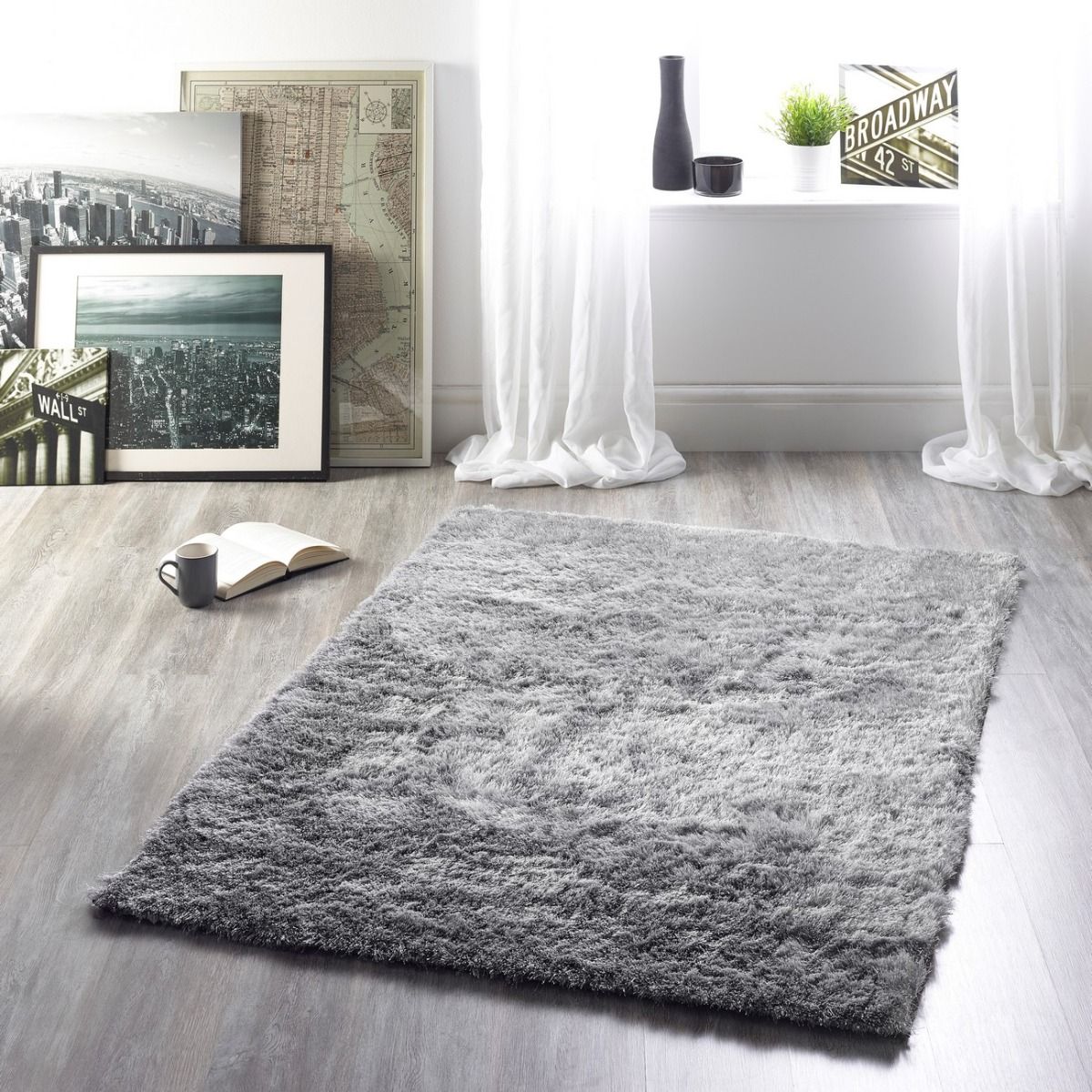
Maintaining Rugs in a UK home shouldn't require heroics. It's simply the case of sticking to a handful of regular routines that can prevent stains and odours from becoming unbearable. With mud, rain and the predictable pet pawprint rotation of autumn and winter, routines, such as hoovering to a schedule, treating spillages promptly, airing and rotating the rugs, and arranging a professional deep clean at a reasonable interval, can make all the difference. This article discusses practical, no-nonsense rules to suit British life: how to react to salt and grit tracking into the house on wellie boots, how to treat wine and tea stains without panic, straightforward tips for pet accidents, and seasonal checks to stop mould and mustiness setting in. It also tells when you need to have the best professional. Keep reading for tips to keep your rugs smelling and looking fresh and lasting without wasting too much of your precious time.
Why Rug Maintenance Is More Important In The UK:
They're beautiful, cozy and a great practical choice, but the climate and lifestyle of the UK mean that your carpets have to work very hard. Consider: dirt from the boots, damp that gets in from wet shoes, salt and mud in winter, and increased time spent indoors in the cooler months. These are just the harsh conditions that cause fibre-fraying, smells and grunge to develop.
Beyond aesthetics, proper care:
a. Safeguards your flooring underneath (the more wear is placed on rugs and not on floorboards),
b. Advances in indoor air conditioning (dust and allergens accumulate on various surfaces until they are removed)
c. Is cheap to install and wears very well (the proportion of a Persian rug that wears out only to be thrown away is very low). Not overly hot to walk on (roughly speaking, a carpet's insulating value is only equal to its thickness).
d. And cuts neighbour drama in flats by absorbing footfall noise.
So, think of the care of your rug as prevention rather than a cure. Small regular actions yield large results.
Pro-Tip: Put a heavy-duty external mat and an internal mat at every door that gets used a lot. Just trapping grit outside the rug is the number one thing you can do.
A Realistic Yearly Routine (No One Needs To Be Obsessed):
Make this a routine that works for you. Weekly cleaning, monthly maintenance and yearly nourishment. It has been proven to be achievable for any British household.
a. Weekly:
1. Vacuum areas such as traffic paths and living areas once a week. Use the following schedule for hallways, entryways and living areas, spread out once a week (those selected, of course, do some more often during the wet months): 2–3 times/week.
2. Quick visual inspection for fresh spills, blot off immediately.
3. Shake or beat small washable rugs outside if muddy.
b. Monthly:
1. Move lighter furniture and vacuum underneath to avoid wearing down.
2. Brush high-traffic pile with a stiff broom in reverse grain to lift the fibres.
3. Clean any persistent scores.
c. Quarterly:
1. Rotating rugs, particularly small toppers and runners, to distribute foot traffic.
2. Check for any damp smells, mould patches, or pet urine that were missed during the initial cleaning.
d. Annually:
1. Professional deep clean: 1 every 12–18 months with regular use for normal households, more often if there are children or pets.
2. Keep an eye on it! Should be checked every now and again. If compressed or rotten, take off the overlay and change.
Pro-Tip: If a daily chore, remember on your calendar to vacuum and yearly clean; habits are better when they have their own time slot.
Vacuuming: Effective Methods & Frequency
Vacuuming is by far the cheapest and best trick for maintaining A rug. However, it needs to be done quickly with a dirt bottle FULL, or you remove very little soil. Here are a few tips that will save you years of ageing wear!
Which vacuum head?
a. A motorised brush (beater bar) will be used if the pile is cut (such as Wilton, Axminster, Berlin) or the pile is synthetic.
b. Back and berber/flatweave rugs: use the suction only or turn off the beater bar to prevent snagging.
c. HEPA filter vacuums are a great choice if allergies are an issue.
How to vacuum properly:
1. Get rid of small articles; shake small rugs outdoors.
2. Adjust pile height (if too low, you stress the motor; if too high, you don't lift the grit).
3. Go slowly: overlapping strokes and making two strokes in opposite directions pick up encased dirt.
4. Edges/corners: use crevice or upholstery.
5. Conclude by vacuuming any upholstery in the vicinity: sofa fabrics are known to drop very fine hairs that may find their way to the rugs.
Frequency guide:
a. Family rooms: daily.2–3× weekly for wet months. 1× weekly otherwise.
b. Bedrooms and low-use areas: weekly or every two weeks.
c. Stairs & hallways: 2–3× a week Stairs & hallways wear fibres at the quickest rate.
Pro-Tip: Empty or replace the dust bag or canister often. A full bag drastically reduces the amount of suction and leaves grit ingrained.
Wet Weather & Mud: What To Do When Boots Let The Outdoors In
Getting trampled in mud is a classic. The cardinal rules: don't rub, don't wait and take grit out first.
Mud rescue: step by step
1. Let dry mud dry before trying to clean it up. Wet mud cannot be cleaned up; it will be pushed toward the interior of the muddy pile.
2. If the clumps have dried out, then clean them up with a vacuum cleaner or broom. Larger deposits should be cleaned up with a hard brush or blunt scraper.
3. Make up a solution of weak detergent (e.g., a neutral dish gel in 500ml water). Slightly dampen a white muslin and blot the stain, working inward from the margins. Keep blotting with clean muslin until the stain is removed.
4. Use a damp cloth with cold water and gently wipe, leaving to dry (fans & dehumidifiers if necessary).
In case the rug is soaked:
a. Remove as much of the fluid as possible. When available, use a wet/dry vacuum comprehensively.
b. Lift the rug (if possible) and dry the rug and underlining/flooring below. (Weather-lodged water will result in smell and bacterial growth). If the underlay is wet, it must be removed to allow it to dry or be replaced.
c. For severe flooding or if the flood water contains contaminants like sewage may want to hire restoration companies.
Pro-Tip: Always leave a small dust pan, stiff brush and mirror cloth handy at the front door during winter. It takes only a few seconds to brush shoes, then wipe them and, along with mopping down the floors, substantially reduce future blotch ups!
Stain Survival: Detailed Instructions For Frequent Culprits
Another easy, quick reference table for stains you will encounter over and over again. What do I do? Blot. Don't rub. Work from the outside in. Always try on a little inconspicuous corner first.
Red wine/fruit juice:
Blot up excess with a white towel. Dab lightly; club soda or very cold water onto the stain and then immediately blot. Continue doing this; if the rug is very dirty, you may have to repeat several times. If the stain is still present, apply 1tsp dish soap+250 ml water and blot gently. Please rinse and blot dry. If the set stains are stubborn, you may want to consider hot extraction, but don't rub too hard.
Tea & coffee:
BLOT immediately. Wash with cold water; if rings remain in normal soap water, they can be cleaned with a mild solution of detergent. Wash and dry.
Grease & cooking oil:
Use absorbent powder (baking soda or cornstarch) over site, after 30 minutes, vacuum it. Spray on a small amount of degreasing dish soap, dampen water, blot until it disappears, rinse and dry.
Ink (ballpoint pen):
Dab with isopropyl alcohol on a white cloth; do not pour it directly on the rug.
Blot until the ink has been absorbed, then wash and dry. Can cause colour loss; test first.
Gum or wax:
Freeze the blob with ice, and use it in a plastic bag to make it brittle. Gently scrape with a blunt knife, vacuum. Clean off any residue with a mild detergent.
Blood:
Use cold water (hot sets protein stains). Blot and repeat.
For protein-based stains, enzyme cleaners work well.
Pet urine:
Blot thoroughly straight away. Rinse and blot. Use an enzyme cleaner specially designed for pet urine to break down uric acid (this is what causes the re-odour). Follow the product instructions and dry out by airing. If the urine soaks the underlay, lift out the rug and allow the area to dry and replace the underlay with a fresh sheet; then clean the subfloor if necessary; otherwise, the smell may occur again.
Set stain:
If your stain is old and has set in, then a job of hot water extraction carried out by the experts will do the trick. Homemade oxidation or over-shrubby can be damaging to fibres.
Pro-Tip: Have a small stain kit (enzyme cleaner, micro fibre cloths, baking soda, small spray bottle) stored under the sink. If appropriate action is taken quickly, this situation is unlikely to become worse.
Damp, Mould & Smell: Prevention & Treatment
Many damp problems in basements or rooms on ground floors are caused by high humidity levels and a lack of fresh air circulation. It is better to prevent than to have to rectify afterwards.
Prevention:
1. Allow plenty of air-trickle vents; occasionally open windows; extract fans in the bathroom.
2. Please don't use rubber-backed rugs on wooden floors (these trap moisture and will discolour). Use breathable underlays.
3. Use a dehumidifier in the very dampest rooms through autumn/winter.
If the mould appears:
1. For visible loose surface mould: light vacuum with HEPA vacuum cleaner, wearing a mask. Do a spot test to see if whiteness is unaffected. Dab with white vinegar and water (repeat... rinse and dry.)
2. Very extensive mould: call a specialist firm. Rugs and underlay that are heavily contaminated may require removal and treatment of the subfloor.
Odour control:
1. Sparingly apply baking soda and vacuum to remove any lingering dog odour. This works equally well for other dark coloured rugs.
2. If odours have reached the carpet, furniture and underlying fabrics and remain, then professional carpet cleaning and profuse underlay replacement may be required.
Pro-Tip: If a rug has a musty smell after being cleaned, it has not dried completely. Speed up drying with an electronic fan and dehumidifier. Do not re-lay the rug until fully dry.
When To Contact A Professional & How To Pick One:
Some jobs you should DIY; others deserve a pro. Use a professional for:
1. Thorough annual cleaning (hot-water extraction): it removes soil, allergens, and salt deposits.
2. Large, set stains which don't respond to spot treatments (red wine, ink, rust).
3. Flood damage, contamination of sewage or decontamination of the mould.
4. If the pieces are old or fine, then they may be worth some specialist attention.
Selection of a cleaner:
1. Ask around and check the reviews.
2. Confirm method (hot-water extraction/steam cleaning or dry methods) and make sure they are using for residue free detergent, don't go for low-cost shampooing.
3. Inquire about how they handle damp rugs to dry them takes time; reputable companies measure humidity and well ventilate to do this quickly.
4. If the items are hand-knotted/antique, you should seek out a speciality rug restorer.
What will happen on the day:
1. A pro will pre-vacuum, pretreat stains, extract, and provide dryer time advice.
2. Should provide a written invoice and details of any current damage.
Pro-Tip: Ask your cleaner. Do they provide in-home cleaning or collection/return? In-home is fine for most rugs. Collection is far superior for large, wet, delicate or malodorous items.
FAQs:
1. How often should my rugs be professionally deep cleaned?
In most homes in the UK, once a year is adequate. If you have pets, small children, busy roads or you're in a humid environment, then look at 6–12 monthly. If you can, regularly hire professionals to extract the trapped grit, salt and allergens, which will prolong the life of your rug.
2. My rug is smelling after being wet. Will home cleaning help in getting rid of the smell?
If the rug dried out quickly and the underlay was not soaked, then use bicarbonate of soda and a clean hot-water extraction to remove the smell. If the underlay or the floor is soaked, then the smell will return unless the underlay and floor are allowed to dry or are replaced. If the smell is persistent,t then call in professionals, they will be able to lift the rug, and clean or replace the underlay.
3. Can I use the washing machine to clean my rug?
Small welcome mats may be machine-washable (check the label). Larger area rugs, especially wool, hand-knotted, or jute, are unlikely to be machine-washable and may shrink or get damaged in the process. Washable runners can be dry on a gentle cycle and air dried; everything else should be hot water washed and professionally dry cleaned.
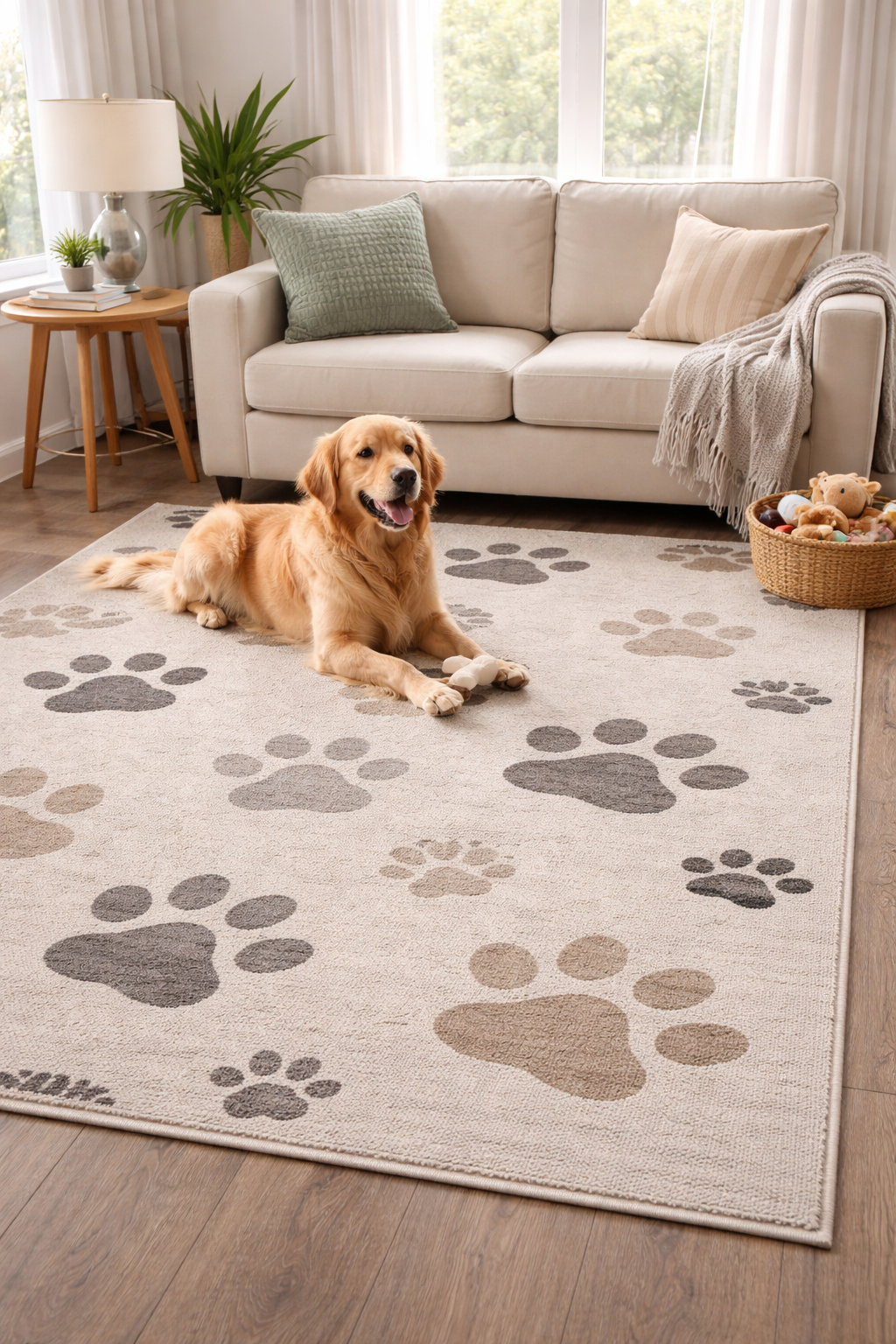

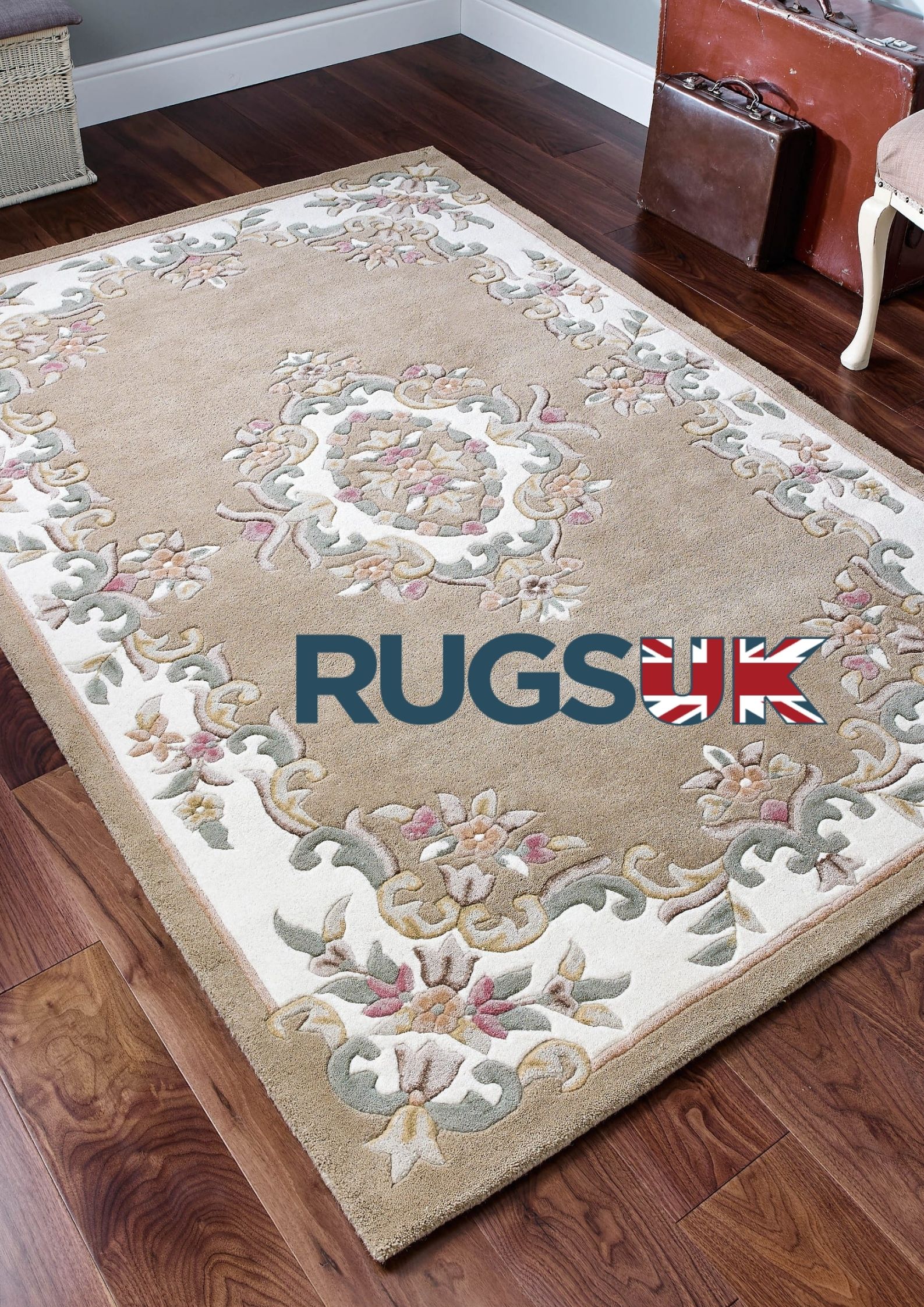
Royal Rug by Oriental Weavers in Beige Colour is hand-tufted in India using 100% wool.
Royal is a classic embossed Aubusson design that has made a comeback which will make an impact in the home.