



Transforming a small bathroom into a functional and stylish space requires careful planning and strategic design choices. Limited square footage doesn’t mean you have to compromise on comfort or aesthetics. This guide outlines essential layout and design principles to help you maximize space, enhance functionality, and create a visually appealing small bathroom makeover.
1. Assess Your Space and Needs
Before starting your makeover, evaluate your bathroom’s current layout and identify your priorities. Consider how you use the space and what improvements are most critical.
Measure Accurately: Take precise measurements of your bathroom, including walls, corners, and fixtures, to understand spatial constraints.
Identify Pain Points: Determine what isn’t working—lack of storage, poor lighting, or cramped layout—and focus on solutions that address these issues.
Set Goals: Decide if you want to prioritize storage, aesthetics, accessibility, or a combination of these factors.
2. Optimize the Layout
A well-thought-out layout is the foundation of a successful small bathroom makeover. Even without moving walls, you can reconfigure elements to improve flow and usability.
The Wet Zone: Keep the shower or bathtub in one area to minimize plumbing costs and maintain a cohesive “wet zone.” Corner showers or compact tubs are ideal for small spaces.
Sink Placement: Consider a wall-mounted or corner sink to free up floor space. Pedestal sinks are another space-saving option but offer less storage.
Toilet Positioning: Place the toilet in a corner or against a wall to maximize open floor area. Wall-mounted toilets can further enhance the sense of space.
Door Solutions: Replace a swinging door with a pocket door, sliding barn door, or bifold door to save space and improve accessibility.
3. Choose Space-Saving Fixtures
Selecting the right fixtures is crucial for small bathrooms. Opt for compact, multi-functional, or wall-mounted options to create a more open feel.
Compact Sinks: Narrow or shallow vanities, corner sinks, or wall-mounted sinks are ideal for tight spaces.
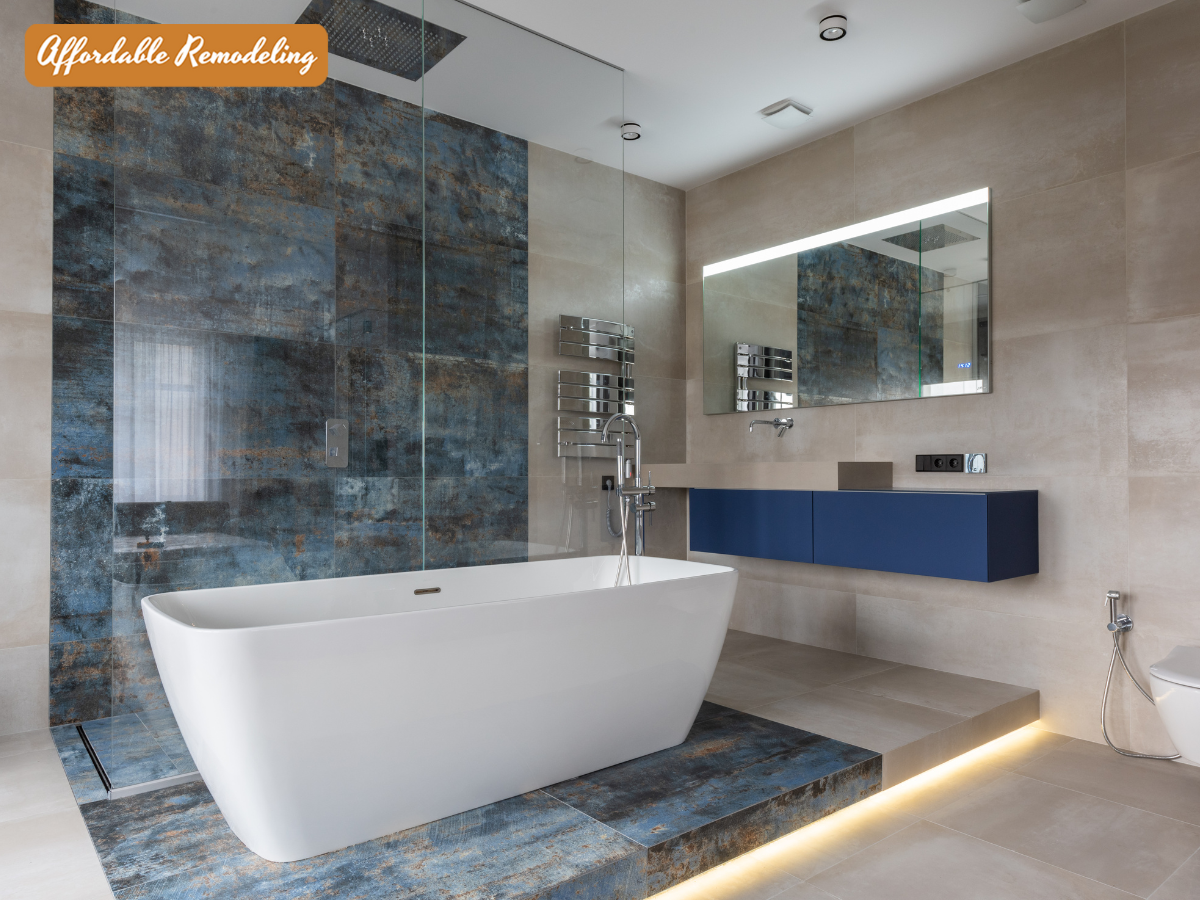
Shower Solutions: Install a frameless glass shower enclosure to make the space feel larger, or use a quadrant shower for corner placement.
Toilets: Choose a compact or wall-hung toilet to save floor space and create a sleek, modern look.
Multi-Functional Fixtures: Look for vanities with built-in storage or mirrors with integrated shelves to combine form and function.
4. Maximize Storage
Storage is often a challenge in small bathrooms, but clever solutions can keep clutter at bay without sacrificing style.
Vertical Storage: Use wall space for floating shelves, tall cabinets, or recessed niches in the shower for toiletries.
Over-the-Toilet Storage: Install shelves or a slim cabinet above the toilet to utilize this often-overlooked area.
Vanity Alternatives: If a traditional vanity is too bulky, consider open shelving or a console table with baskets underneath.
Hidden Storage: Incorporate recessed cabinets or mirrored medicine cabinets to store essentials discreetly.
5. Enhance Lighting for a Spacious Feel
Lighting plays a critical role in making a small bathroom feel larger and more inviting. A combination of lighting types can enhance both functionality and ambiance.
Task Lighting: Install sconces or LED strips around the mirror for clear, shadow-free illumination during grooming.
Ambient Lighting: Use ceiling-mounted fixtures or recessed lights to brighten the entire space evenly.
Accent Lighting: Add LED strips under shelves or vanities for a modern touch and to highlight design elements.
Natural Light: If possible, maximize natural light with frosted glass windows or a skylight to create an airy atmosphere.
6. Use Color and Patterns Strategically
Color choices and patterns can dramatically affect how spacious a small bathroom feels.
Light Colors: Opt for light shades like white, soft gray, or pastel tones to reflect light and open up the space.
Monochromatic Schemes: Use a single color family for walls, tiles, and fixtures to create a seamless, cohesive look that avoids visual clutter.
Bold Accents: Introduce pops of color through towels, rugs, or a single accent wall to add personality without overwhelming the space.
Tile Patterns: Use large-format tiles or continuous patterns to minimize grout lines and create a sense of expansiveness.
7. Incorporate Mirrors to Expand Space
Mirrors are a small bathroom’s best friend, reflecting light and creating the illusion of more space.
Large Mirrors: Install a large mirror above the vanity to double the visual space and enhance lighting.
Full-Wall Mirrors: For a dramatic effect, consider a mirror that spans an entire wall, especially in narrow bathrooms.
Framed Mirrors: Choose a stylish frame to add a decorative element while maintaining functionality.
8. Select Appropriate Flooring
Flooring choices can influence both the aesthetic and perceived size of your bathroom.
Large Tiles: Use large-format tiles to reduce grout lines and create a cleaner, more spacious look.
Continuous Flooring: Extend the same flooring material into the shower area (with proper waterproofing) to create a unified appearance.
Light-Colored Flooring: Choose light-toned tiles or vinyl to reflect light and enhance the sense of space.
Textured Options: Consider slip-resistant tiles or vinyl for safety without compromising style.
9. Add Functional Decor
Decor in a small bathroom should serve a purpose while enhancing the overall design.
Textiles: Use coordinated towels, rugs, and shower curtains to add texture and color without cluttering the space.
Plants: Introduce small, humidity-tolerant plants like pothos or ferns to bring life to the room.
Baskets and Trays: Use decorative baskets or trays to organize toiletries while adding a stylish touch.
Minimalist Art: Choose small, moisture-resistant wall art or decals to add personality without overwhelming the space.
10. Plan for Accessibility and Future Needs
A practical makeover considers long-term usability, especially if you plan to stay in your home for years.
Grab Bars: Install stylish grab bars that double as towel racks for safety and convenience.
Non-Slip Surfaces: Choose textured flooring or add non-slip mats to prevent accidents.
Flexible Design: Opt for timeless designs and neutral colors that can adapt to changing trends or accessibility needs.
Final Thoughts
A small bathroom makeover doesn’t require a large budget or extensive renovations to achieve a fresh, functional, and stylish result. By focusing on an efficient layout, space-saving fixtures, smart storage, and strategic design choices like lighting and color, you can transform your compact bathroom into a welcoming retreat. Plan carefully, prioritize your needs, and select elements that balance practicality with aesthetics to create a space that feels larger and works better for your daily routine.
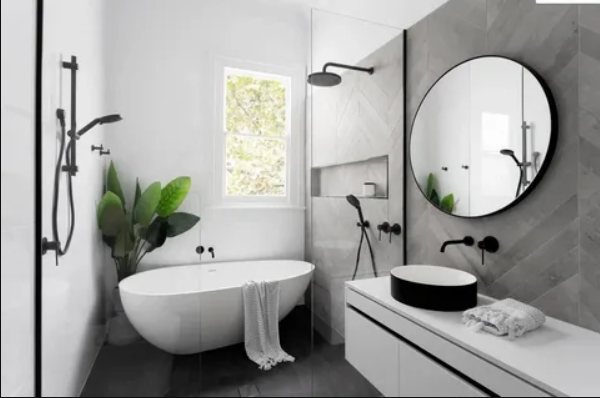

KB Studios provides kitchen and bathroom makeovers in Dallas Texas by renovating countertops, cabinets, tile & backsplash, sinks, and faucets.
We complete our project with a 1 month turn around.
Our showroom offers 10 vignettes, and a 10x10 kitchen layout, and sample color selections of cabinets, countertops, and backsplash tiles.
We are stone fabricators and assemble our cabinets so there is no middle man needed.
KB Studios provides an additional source of income with our affiliated partner program that is perfect for home sellers and real estate agents to join.
The KB Studio design consultants act as project managers and will handle your entire renovation process for you from start to finish.