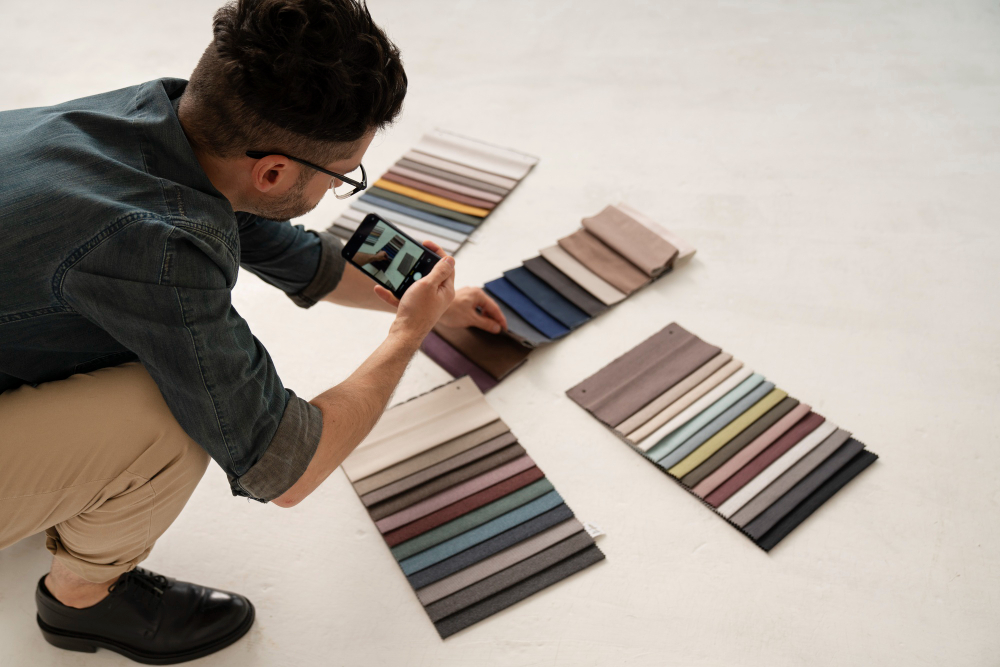
Flooring plays a major role in how your home looks and feels. It sets the tone for every room and connects all design elements together. When flooring matches your interior style, your space feels balanced, intentional, and welcoming.
Choosing the wrong flooring can make even a beautiful home feel mismatched. This guide helps you understand how to choose flooring that complements your home’s interior style and lifestyle.
Why Flooring Style Matters
Flooring covers the largest visible surface in your home. It influences color flow, lighting, and the overall atmosphere.
The right flooring helps:
- Tie rooms together
- Highlight furniture and décor
- Improve comfort and functionality
- Increase home value
Style and practicality should always work together.
Identify Your Interior Design Style First
Before selecting flooring, define your home’s design style. Look at furniture, wall colors, lighting, and décor.
Common interior styles include:
- Modern
- Contemporary
- Traditional
- Rustic
- Farmhouse
- Industrial
- Scandinavian
- Transitional
Once you identify your style, flooring choices become easier.
Flooring for Modern and Contemporary Homes
Modern interiors focus on clean lines, minimalism, and neutral colors.
Best flooring options include:
- Large-format tiles
- Polished concrete
- Luxury vinyl planks with smooth finishes
- Light or medium-tone hardwood
Avoid overly textured or distressed finishes. Simplicity is key.
Flooring for Traditional Interiors
Traditional homes emphasize warmth, detail, and timeless design.
Recommended flooring:
- Solid hardwood
- Engineered wood
- Patterned tiles
- Rich, warm tones
Classic flooring enhances the elegant feel of traditional spaces.
Flooring for Rustic and Farmhouse Styles
Rustic and farmhouse interiors embrace natural textures and cozy finishes.
Ideal flooring choices:
- Distressed hardwood
- Wide-plank wood floors
- Wood-look vinyl
- Natural stone
Imperfections add character in these styles.
Flooring for Industrial Interiors
Industrial spaces feature raw materials, open layouts, and urban influence.
Popular flooring options:
- Concrete
- Dark-stained hardwood
- Large tiles with matte finishes
- Stone-look vinyl
Darker tones and minimal patterns work best.
Flooring for Scandinavian and Minimalist Homes
These styles focus on brightness, simplicity, and natural elements.
Best flooring choices:
- Light-toned hardwood
- Pale wood-look vinyl
- Matte finishes
- Simple plank patterns
Lighter floors help maximize natural light.
Flooring for Transitional Spaces
Transitional style blends traditional and modern elements.
Versatile flooring options include:
- Medium-tone hardwood
- Neutral luxury vinyl
- Subtle textures
- Balanced finishes
These floors adapt well as décor changes over time.
Matching Flooring Color With Wall Colors
Color balance is essential.
Helpful tips:
- Light floors pair well with darker walls
- Dark floors create contrast with light walls
- Neutral floors offer flexibility
- Avoid matching floor and wall colors too closely
Contrast adds depth and visual interest.
Consider Furniture and Décor
Flooring should complement furniture, not compete with it.
Keep in mind:
- Dark furniture works well with lighter floors
- Light furniture pops against darker floors
- Busy flooring can clash with patterned furniture
- Simple floors allow bold décor
Balance is more important than exact matching.
Texture and Finish Matter Too
Style isn’t just color. Texture and finish affect the overall look.
Examples:
- Matte finishes feel modern and natural
- Glossy finishes add formality
- Hand-scraped textures add warmth
- Smooth finishes look clean and contemporary
Choose finishes that fit your lifestyle and design taste.
Room-by-Room Flooring Style Tips
Different rooms serve different purposes.
Living areas:
Focus on comfort and flow
Bedrooms:
Warm, quiet flooring works best
Kitchens:
Durable and moisture-resistant materials
Bathrooms:
Slip-resistant, water-friendly flooring
Using consistent styles improves visual continuity.
Open-Concept Homes and Flooring Flow
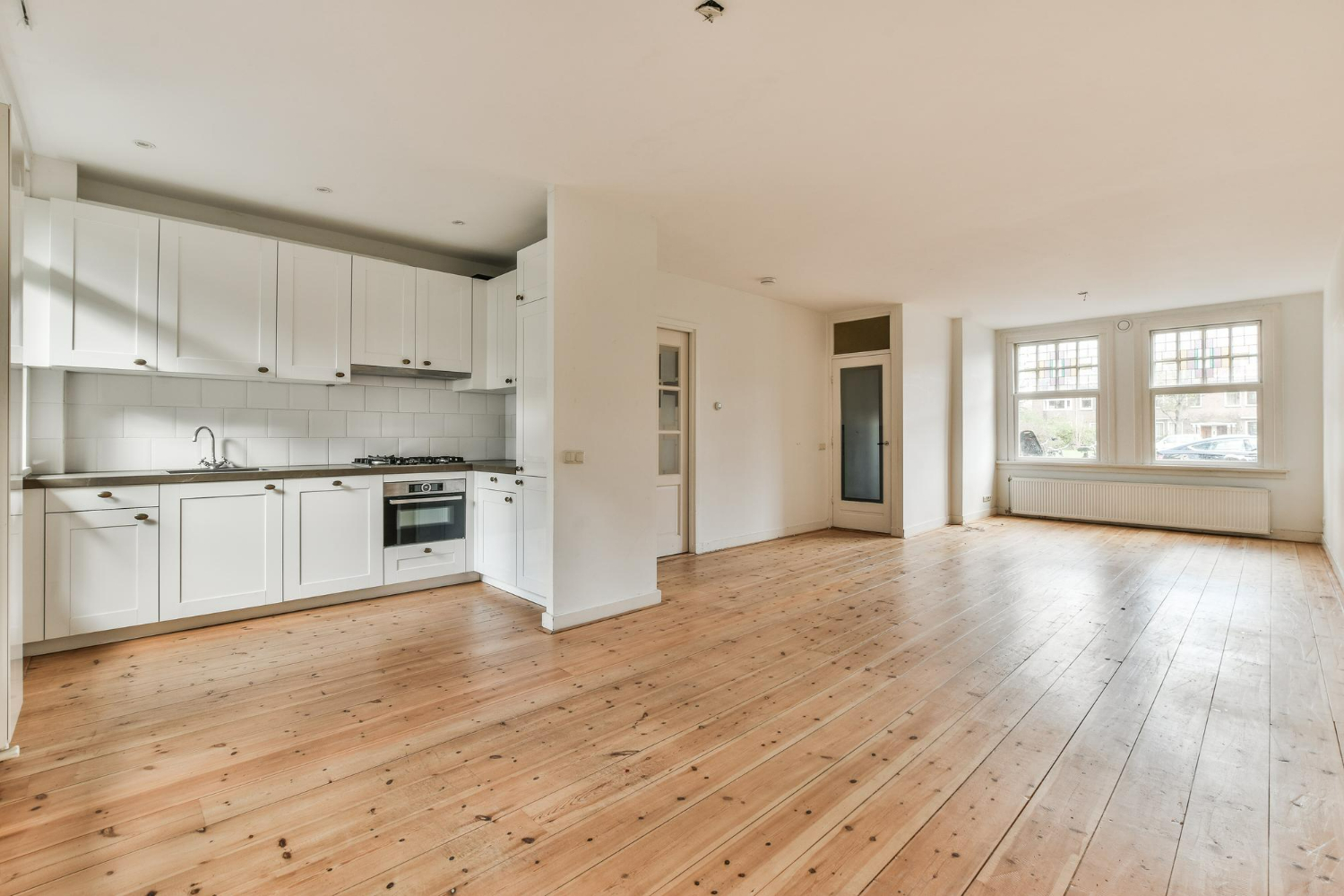
In open layouts, flooring connects multiple spaces.
Best practices:
- Use the same flooring throughout
- Avoid unnecessary transitions
- Choose neutral tones for flexibility
Consistent flooring makes spaces feel larger and cohesive.
Practical Considerations Along With Style
Don’t choose flooring based on looks alone.
Think about:
- Foot traffic
- Pets and children
- Moisture levels
- Maintenance requirements
A stylish floor should also fit your lifestyle.
Samples and Lighting Make a Difference
Always view flooring samples in your home.
Check samples:
- In natural daylight
- Under artificial lighting
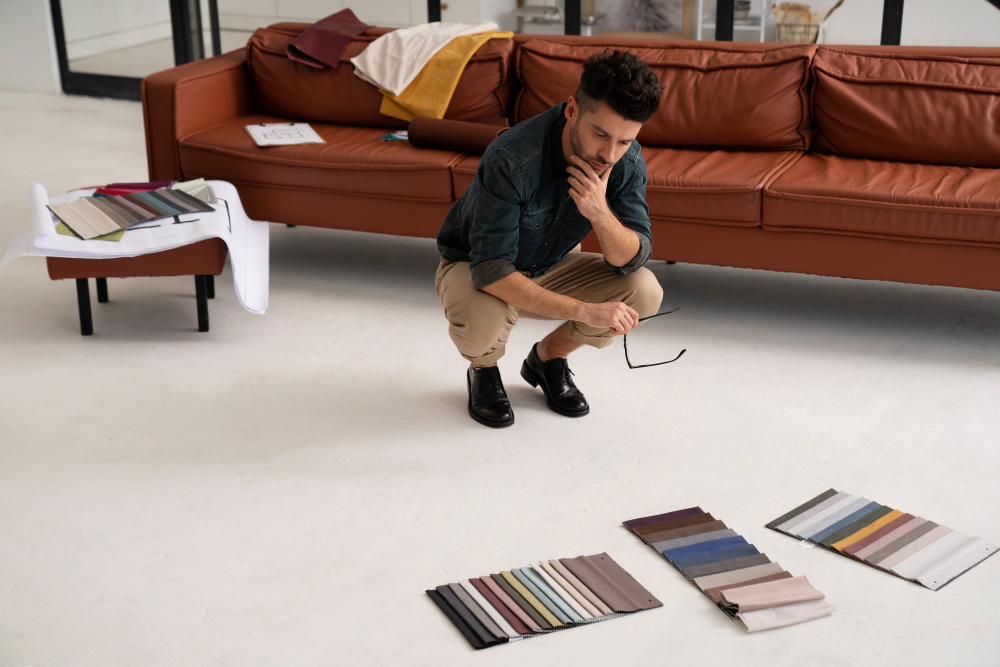
- Next to furniture and cabinets
Lighting can dramatically change how flooring looks.
Common Mistakes to Avoid
Avoid these style mistakes:
Choosing trends over long-term appeal
Ignoring room lighting
Matching everything too closely
Overusing bold patterns
Forgetting maintenance needs
Timeless choices age better.
FAQs
Should flooring match in every room?
Not always, but consistency helps with flow and resale value.
Are light or dark floors better?
Both work well depending on style, lighting, and maintenance preferences.
Can I mix flooring styles?
Yes, when transitions are planned carefully.
Is wood-look flooring a good option?
Yes, it offers style flexibility and durability.
Final Thoughts
Matching flooring with your home’s interior style creates harmony and enhances comfort. By understanding your design style, considering color, texture, and practicality, you can choose flooring that complements your home beautifully.
Flooring is a long-term investment. Choose something you’ll enjoy every day—not just something that looks good today.