A basement remodel can transform unused space into something functional and beautiful. But many homeowners aren’t sure what actually happens during the process. Knowing the steps helps you plan better, avoid surprises, and feel confident throughout your renovation.
If you're thinking about starting a basement remodel soon, this breakdown will help you understand what to expect from start to finish.
Initial Assessment and Planning
Before any tools come out, contractors begin with a complete inspection. They check moisture levels, structural components, electrical access, plumbing locations, and ceiling height. This helps determine what’s possible and what needs fixing before construction.
Planning also includes selecting features like:
Layout
Flooring options
Lighting design
Wall finishes
HVAC and insulation needs
This stage often includes 2–3 meetings to finalize the plan and budget so everyone is on the same page.
Permits and Documentation
Basement renovations usually require permits because they involve electrical, plumbing, and structural changes. Contractors handle:
Building permits
Electrical permits
Plumbing permits
City inspections
Permits protect you from safety issues and future real estate problems. If you ever sell your home, improper work can delay or reduce your sale value.
Demolition and Cleanup
Once paperwork is approved, demolition begins. Old flooring, damaged drywall, and unnecessary framing are removed.
During this phase, contractors also clean the space and make it ready for rebuilding. Dust control measures are used to protect the rest of your home.
Fixing Structural or Moisture Problems
Most unfinished basements have hidden issues. Contractors address them now, so they don’t become expensive problems later.
This may include:
Fixing drainage problems
Sealing foundation cracks
Installing or upgrading sump pumps
Adding vapor barriers or waterproof membranes
This step ensures your new basement stays dry and safe for years.
Framing and Layout Construction
After repairs, framing begins. Contractors build the structure for:
Bedrooms
Living areas
Home theaters
Laundry rooms
Bathrooms
Storage spaces
This stage also includes installing insulation to help with temperature control and soundproofing.
Electrical, Plumbing, and HVAC Installation
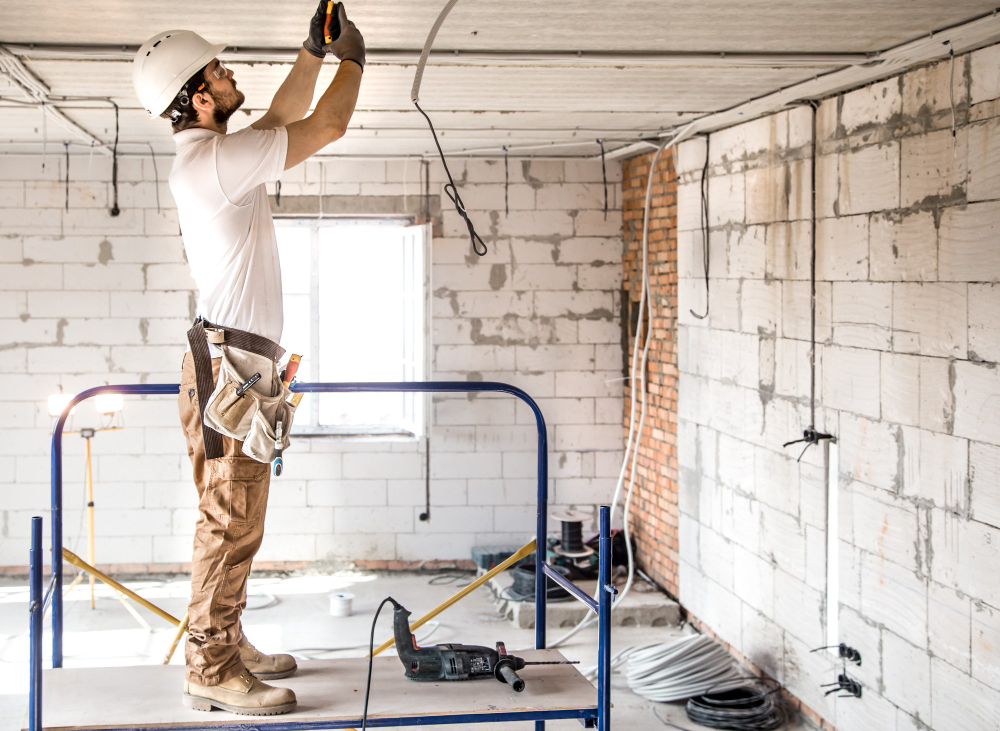
Once walls are framed, licensed professionals install wiring, pipes, and ventilation systems. This includes:
Outlets and switches
Light fixtures
Air vents
Bathroom plumbing
Appliance hookups
After installation, a city inspector usually reviews the work before the next steps.
Drywall, Flooring, and Finishing
Now the basement starts to look more like a living space. Contractors hang and finish drywall, paint walls, and install trim.
Flooring options may include:
Carpet
Tile
The final materials depend on your budget, style, and moisture protection needs.
Fixtures, Built-Ins, and Final Touches
This is where your vision comes to life. Contractors install:
Cabinets
Countertops
Bathroom fixtures
Lighting
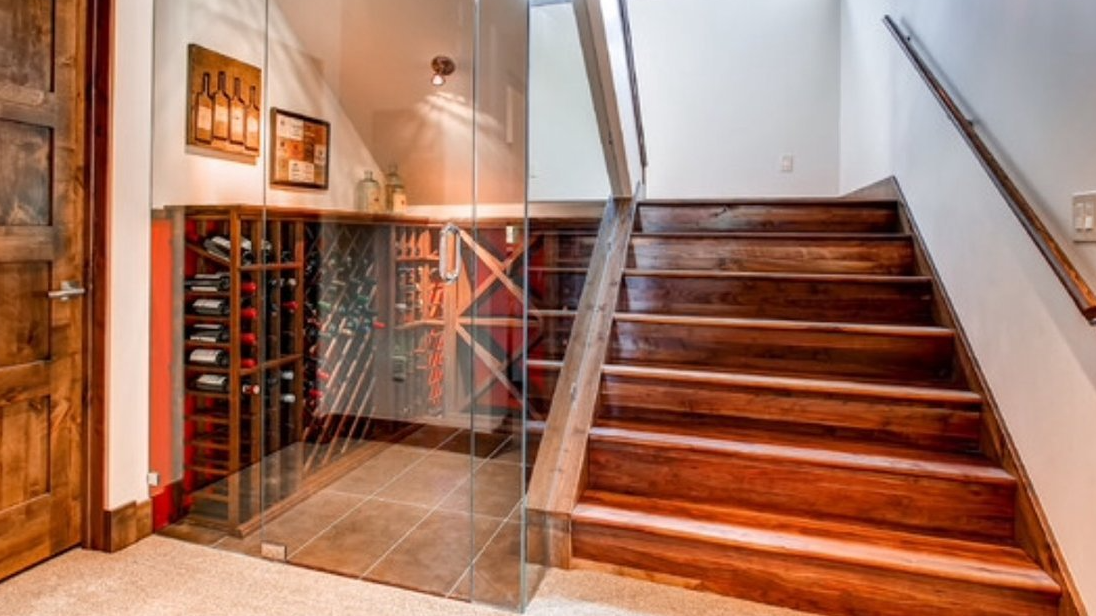
Handrails
Doors
Every detail is polished and tested, from plumbing flow to electrical safety.
Final Inspection and Walkthrough
Once everything is finished, inspectors verify the remodel meets building codes. Then your contractor walks you through the completed space — explaining:
Warranty details
Maintenance tips
Special features
Emergency shutoffs
After approval, the basement is officially ready to enjoy.
Top Tips Before You Start
Have a clear vision, but stay flexible.
Set aside a contingency budget (10–15%).
Choose materials suited for basements, not just aesthetics.
Work with licensed, insured contractors — never skip permits.
FAQs
How long does a basement remodel take?
Most projects take 6–12 weeks depending on the size and complexity.
Can I stay in my home during the remodel?
Yes, most homeowners remain in the house because basement work rarely disrupts main living areas.
Do I need a permit for every remodel?
If electrical, plumbing, or major layout changes are involved, yes — permits are required.
Will a basement remodel increase my home’s value?
A professionally finished basement can significantly increase property value and usable square footage.
Ready to Start Your Basement Transformation?
If you’re planning a remodel, working with experienced contractors makes the process smoother, faster, and stress-free. They handle permits, solve hidden issues, and help create a space that fits your lifestyle — whether it’s a home office, entertainment area, or extra bedroom.
Thinking about starting? Now’s a great time.