In the ever-evolving world of healthcare, billing plays a critical role in ensuring providers are paid accurately and on time. Yet, many people—patients and even healthcare professionals often use “hospital billing” and “medical billing” interchangeably, not realizing there are significant differences between the two. Both serve the same purpose of managing healthcare payments, but they operate in distinct environments and follow separate processes. Understanding these differences can help hospitals, clinics, and healthcare professionals optimize their revenue cycle and improve financial transparency.
While both systems handle the financial side of patient care, Hospital Billing Services deal with the large-scale, complex financial operations of hospitals, whereas medical billing focuses on individual physicians or outpatient practices. To truly appreciate the distinction, it’s important to see how each works, where they overlap, and how they collectively shape healthcare finance.
What Is Hospital Billing?
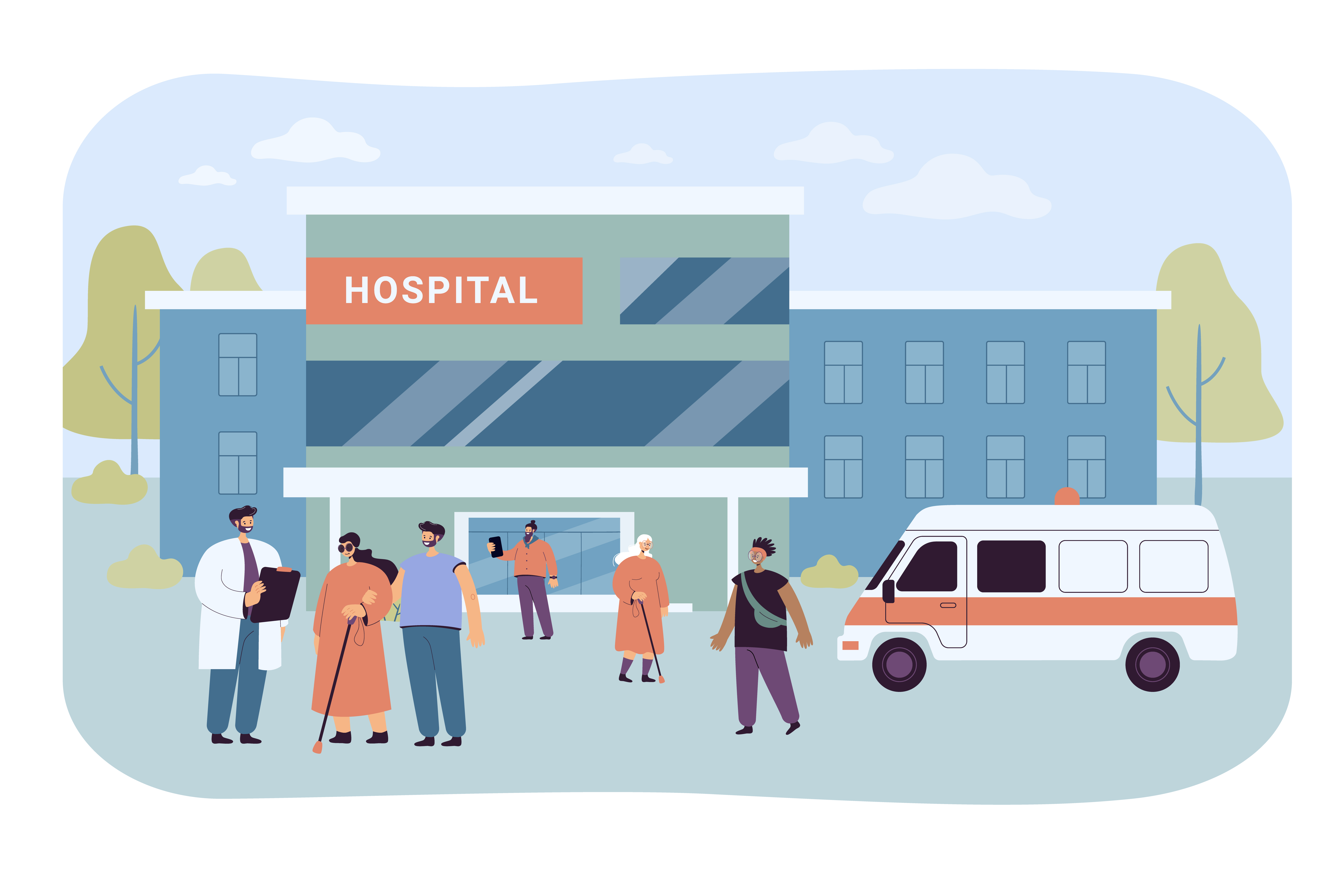
Hospital billing is a specialized process designed to handle the financial transactions that occur within a hospital setting. It covers inpatient and outpatient services, from emergency visits to surgeries and long-term stays. Because hospitals provide multidisciplinary care under one roof, their billing systems are far more complex than those of smaller practices.
Every patient encounter involves multiple departments: radiology, pharmacy, surgery, and lab testin, each generating its own charges. Hospital billers must consolidate all of these into one comprehensive claim. This claim is then submitted to insurance providers or government payers for reimbursement.
Key Characteristics of Hospital Billing
Inpatient and Outpatient Focus: Hospital billing covers both admitted patients and those receiving outpatient care, which increases administrative load.
Facility and Professional Fees: Claims typically include facility charges (for hospital resources) and professional fees (for physicians).
Complex Coding Requirements: Billing relies on UB-04 claim forms and uses Revenue Codes along with ICD and CPT codes.
Higher Documentation Standards: Hospitals must maintain extensive documentation for compliance, audits, and insurance purposes.
What Is Medical Billing?
Medical billing, by contrast, focuses on individual healthcare providers such as private practices, clinics, or group physicians. It involves converting medical services into billing claims to be reimbursed by insurance companies or patients.
Medical billers handle professional fees only, meaning they bill for the physician’s time and expertise—not the facility or equipment used. These claims are usually processed on CMS-1500 forms rather than the hospital UB-04 forms.
Key Characteristics of Medical Billing
Professional Services Only: Centers on physician-based services, usually outside of hospital settings.
Simpler Claim Structure: Claims are less complex, involving fewer departments.
CPT and ICD Codes Only: Focuses on standard coding without additional facility-related data.
Quicker Turnaround Time: Fewer claim elements mean faster submission and payment cycles.
Why the Difference Matters
The difference between hospital and medical billing isn’t just technical; it affects how healthcare organizations manage revenue, staffing, compliance, and patient experience.
For hospitals, billing involves integrating services from many departments and ensuring that each one is correctly documented. Any small error, such as a missing charge from the lab, can cause major financial discrepancies. Medical billing, meanwhile, requires closer collaboration between physicians and billers to ensure accuracy in individual claims.
Financially, hospitals rely heavily on structured billing systems to handle high patient volumes and diverse payment sources. Private practices, on the other hand, depend on streamlined processes to maintain consistent cash flow.
The Role of Compliance in Both Systems
Compliance plays a vital role in both hospital and medical billing. Hospitals face stricter regulatory oversight due to their size and the range of services they provide. They must follow guidelines set by Medicare, Medicaid, and private payers while maintaining HIPAA standards for patient data.
Medical billing also demands adherence to compliance rules, though on a smaller scale. Physicians must ensure their coding accurately reflects services provided, avoiding both underbilling (which causes revenue loss) and overbilling (which could lead to audits or penalties).
In both cases, ongoing staff training is critical to staying updated with frequent regulatory changes and payer requirements.
Technology and Automation in Modern Billing
Technology has transformed both hospital and medical billing. Advanced billing software now integrates with electronic health records (EHR), automating key parts of the billing process. These systems flag missing documentation, verify insurance eligibility, and even predict denial risks using artificial intelligence.
Automation not only increases efficiency but also minimizes human errors—one of the leading causes of claim rejections. Hospitals, in particular, benefit from AI-driven revenue cycle management tools that can analyze patterns and improve reimbursement rates.
Linking Hospital Billing to Specialty Billing
Billing doesn’t stop at general hospital or physician claims—it extends into specialized areas of care. For example, Pediatrics Billing Services are tailored specifically to pediatric practices, where coding accuracy is essential due to unique treatment protocols and age-specific procedures. Similarly, departments within hospitals often need specialty billing expertise to ensure compliance with payer policies.
Understanding how these niche billing processes connect with larger hospital billing frameworks helps healthcare organizations manage both general and specialty claims efficiently.
The Role of Professional Billing Companies
Because of the complexity involved, many healthcare providers outsource their billing tasks to professional service providers. Outsourcing ensures claims are managed by trained experts who understand payer requirements, coding systems, and compliance regulations.
Professional billing companies bring dedicated technology, expertise, and continuous monitoring to the revenue cycle. This allows hospitals and clinics to focus on their core responsibility, delivering quality patient care, while professionals handle financial and administrative details.
For instance, Dr Biller RCM provides end-to-end billing solutions that cover coding, claims submission, denial management, and compliance. By using data-driven strategies and automation, such companies help healthcare organizations streamline their revenue cycle while reducing errors and delays.
Challenges in Hospital and Medical Billing
Even with advanced technology, billing still faces challenges. Common issues include:
Frequent policy changes by insurance payers
Incomplete clinical documentation
Delays in claim submission
Miscommunication between departments
High denial rates due to missing modifiers or inaccurate codes
Addressing these issues requires a mix of human expertise and digital tools. Hospitals and clinics that invest in training, auditing, and technology are more likely to see consistent financial results.
Improving Billing Efficiency
Here are a few practical steps to improve billing efficiency in both hospitals and clinics:
Implement Regular Audits: Periodic reviews help identify common errors and fix them before they affect cash flow.
Train Staff Continuously: Keep billing teams updated with new coding standards and payer rules.
Use Integrated Systems: Ensure EHR and billing software communicate seamlessly.
Track Denial Trends: Identify repetitive issues to prevent future rejections.
Prioritize Communication: Encourage collaboration between medical, administrative, and billing staff.
The Future of Billing in Healthcare
The future of hospital and medical billing is increasingly digital and patient-centric. With automation, predictive analytics, and AI, billing will become faster, more transparent, and less prone to human error. Hospitals and clinics will also see a shift toward real-time claims processing and enhanced financial reporting capabilities.
Additionally, greater transparency for patients—through online billing portals and price estimates—will improve trust and satisfaction, aligning financial services with patient-centered care principles.
Conclusion
While both hospital and medical billing share the goal of managing healthcare payments, they operate in different ecosystems with unique challenges and requirements. Hospital Billing Services handle the complexity of multi-departmental care, while medical billing focuses on individual provider reimbursements.
Understanding these differences helps healthcare organizations choose the right systems, staff, and partners to maintain compliance and financial efficiency. For hospitals seeking expert assistance, partnering with a reputable medical billing company in USA can simplify the process, ensure accuracy, and improve overall revenue cycle performance, allowing healthcare professionals to stay focused on what truly matters: delivering quality care to every patient.