


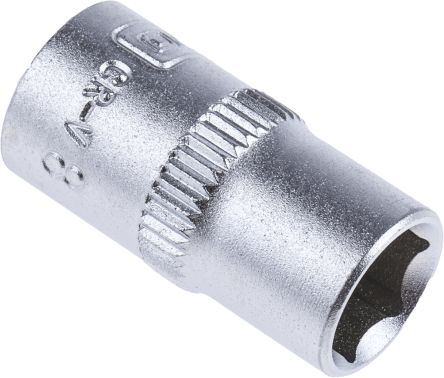
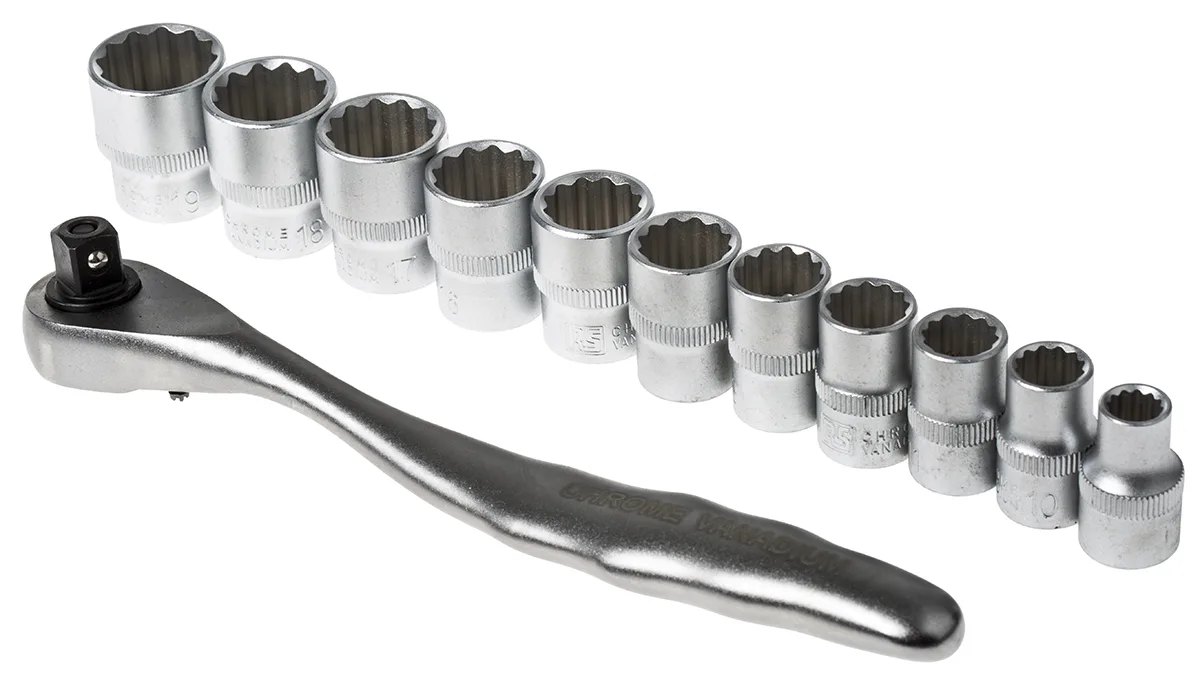
Sockets, Socket Handles are fundamental tools widely used in industries ranging from automotive to electronics. Their efficiency in tightening and loosening fasteners with precision and minimal effort makes them essential in both industrial maintenance and everyday applications. Designed for strength, accessibility, and repeatable use, these tools are built to accommodate various drive systems and fastener types, improving workflow across different sectors.
In this blog, we’ll explore the functionality, types, applications, and innovations in sockets and socket handles, and how they serve critical roles in engineering and electrical tasks.
What Are Sockets, Socket Handles and How Do They Work?
Sockets, Socket Handles form a detachable tool system where the socket grips the fastener, and the handle provides the force and direction needed to rotate it. This modular design allows users to interchange sockets on the same handle, offering a flexible solution for different fastener sizes and shapes.
These tools improve mechanical access, especially in compact or recessed spaces where conventional wrenches struggle. With proper selection, they allow professionals to apply controlled torque while minimizing damage to fasteners or surrounding components.
What Makes Socket Handles Indispensable?
Socket handles come in different forms, each tailored to specific operations and working conditions. Their primary function is to deliver torque efficiently while maintaining comfort and control.
Common socket handle types include:
- Ratchet handles for continuous rotation with directional control
- Breaker bars for high-torque applications requiring extra leverage
- Spinner handles for rapid turning of low-resistance fasteners
- Flex handles for reaching around obstructions in tight enclosures
- Sliding T-handles for adjustable grip positioning and torque balance
Each handle type enhances speed, ergonomics, and precision depending on the application and tool layout.
Which Socket Types Are Best Suited for Technical Use?
Sockets vary based on their depth, point configuration, and intended application. Selecting the right socket ensures secure fastening and prevents stripping or slippage.
Widely used socket types include:
- Hex sockets with 6 or 12-point profiles for common bolt heads
- Deep sockets for fasteners in recessed positions
- Torx sockets designed for star-shaped fasteners in electronics
- Spark plug sockets with rubber inserts for safe plug removal
- Insulated sockets rated for use in electrical installations
Specialty sockets also exist for high-voltage panels, mechanical subassemblies, and sensitive electronics, where safety and precision are paramount.
How Are Sockets, Socket Handles Manufactured?
Material strength and durability are crucial in the construction of sockets and their handles. Depending on the end-use and required performance, different metals and finishes are used.
Typical material choices include:
- Chrome vanadium steel for general-purpose sockets with rust resistance
- Carbon steel for cost-effective tools with moderate durability
- Chrome molybdenum for high-impact or industrial-grade tasks
- Stainless steel for corrosion resistance in harsh environments
Many tools feature polished or chrome-plated finishes that provide added protection and a clean surface for easy maintenance.
Where Are Sockets and Handles Typically Applied?
These tools are used in virtually every setting where components are fastened or assembled:
Automotive garages for engine tuning, brake jobs, and suspension work
- Electronics workshops for assembling casings and control panels
- Maintenance departments in factories and power plants
- Electrical installations where torque and insulation are essential
- Machinery servicing in production lines and manufacturing setups
Socket systems are also widely used in toolkits for electricians, HVAC technicians, aerospace engineers, and home repair professionals.
What Are the Advantages of Using Sockets, Socket Handles?
The use of sockets and socket handles brings measurable benefits to precision work and repetitive operations.
Key advantages include:
- Compact access to fasteners in confined spaces
- Controlled torque for sensitive or calibrated components
- Reduced hand fatigue through ergonomic handle designs
- Versatile compatibility with fasteners of different standards
- Secure fit minimizing rounding or wear on bolt heads
In electronic applications, these tools are invaluable for working around circuit boards, connectors, and enclosures where precision and control are non-negotiable.
How to Select the Right Socket and Handle Combination?
Selecting a compatible combination depends on several technical and practical factors:
- Match the drive size of the handle with the socket (commonly 1/4", 3/8", or 1/2")
- Choose socket profiles that match the fastener shape (hex, Torx, square)
- Opt for deep or standard sockets based on fastener position
- For electrical tasks, use tools certified for insulation and safety
- Consider torque demands and available working space when choosing handle type
Investing in a quality socket set that covers a range of sizes and styles ensures long-term usability and efficient task performance.
What Are the Safety Considerations When Using These Tools?
To prevent injury and ensure operational safety, users must follow basic tool-handling protocols:
- Avoid using damaged or cracked sockets
- Never use hand sockets with power tools unless specifically rated
- Use insulated tools when working near live electrical components
- Apply torque gradually to avoid sudden tool slips
- Store sockets and handles properly to avoid wear or contamination
Frequent inspection and proper use also protect surrounding components, especially in sensitive electronics and microcontroller-based systems.
What Trends Are Shaping the Future of Socket Tools?
As industries demand smarter, safer, and more efficient tools, manufacturers are introducing advanced designs in sockets and handles.
Current trends include:
- Ergonomic handle grips designed to reduce vibration and strain
- Quick-release mechanisms for faster socket swaps
- Digital torque handles for precision control in electronics
- Color-coded socket sets for easy identification
- Universal joints and swivel heads for complex mechanical layouts
These innovations support maintenance, repair, and production teams in evolving sectors such as renewable energy, robotics, and automation.
Conclusion
Sockets, Socket Handles are versatile, efficient, and essential for technicians, engineers, and maintenance teams. They empower professionals to work with speed and accuracy while ensuring secure fastening and easy disassembly. With advancements in design, material science, and ergonomics, these tools continue to evolve to meet the challenges of modern mechanical and electrical tasks. A well-chosen socket and handle set is not just a toolbox essential, but a cornerstone of reliable workmanship in every field.
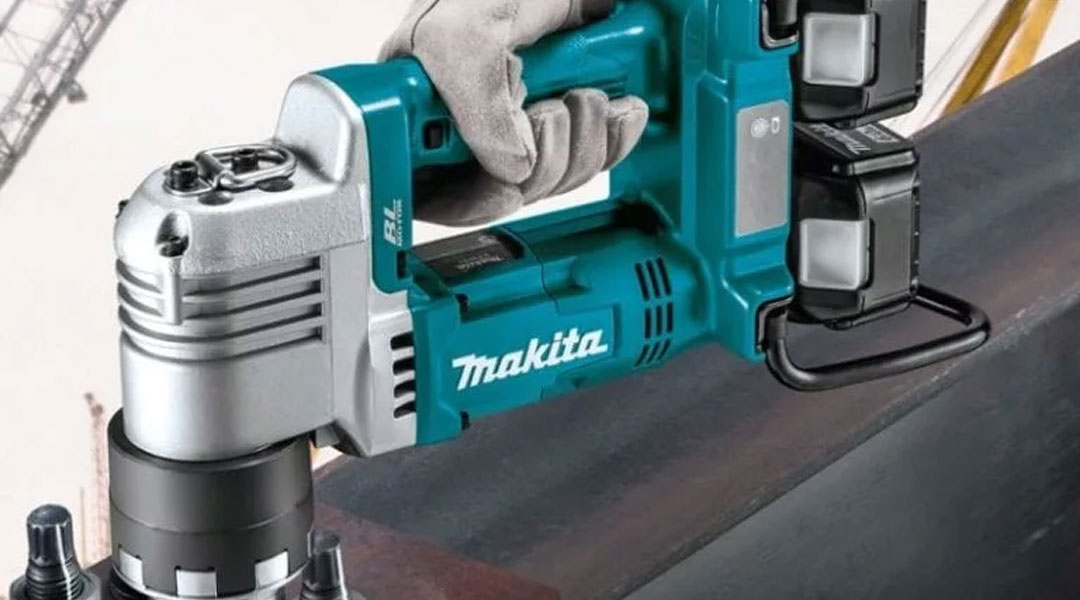
The design of the DISC-LOCK shear wrench uses an outer socket that engages the nut, the inner socket engage the bolt.
The two sockets rotate in counter force allowing the nut to turn while the bolt remains stationary; buy now at toptopdeal
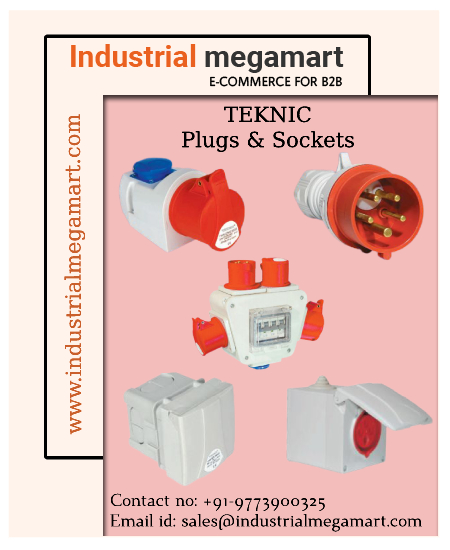
Industrial Megamart is one of the top distributors and suppliers of high-quality industrial Teknic plugs and sockets designed keeping in mind the sustainability, performance, cost-effectiveness, durability, protection and reliability.
Proper scrutinization and testing of the industrial plugs & sockets are done before supplying in the market.
Contact us on our website Industrial Megamart for Teknic plugs & sockets competitive pricing and offers or call us on (+91-9773900325).
Address: Industrial Megamartithum Tower B,Noida, UP.
India Pincode: 201301Contact no: +91-9773900325