


For many women, menopause represents a new chapter of life, a period of hormonal change that brings both comfort and adjustment. Beyond common symptoms such as hot flashes and mood fluctuations, these hormonal shifts during and after menopause can also impact the likelihood of developing breast cancer. Gaining insight into how hormones affect breast tissue empowers women to make better choices about prevention, early screening, and effective treatment.
Understanding Hormonal Changes After Menopause
Before menopause, a woman’s ovaries produce most of the estrogen and progesterone, two key hormones that regulate the menstrual cycle, fertility, and overall health. Once menopause occurs, ovarian function declines, and hormone production significantly decreases.
However, estrogen doesn’t disappear completely. It continues to be produced in smaller amounts by fat tissue and the adrenal glands. This postmenopausal estrogen still has biological effects, particularly on tissues sensitive to hormones such as the breasts.
The Link Between Estrogen and Breast Cancer
Estrogen plays a dual role in breast health. In healthy women, it supports breast tissue growth and repair. However, prolonged or excessive exposure to estrogen from natural production, hormone replacement therapy, or certain medications can promote the development of cancerous cells in hormone-sensitive breast tissue.
Research has shown that nearly two-thirds of breast cancers diagnosed after menopause are estrogen receptor-positive (ER-positive), meaning that estrogen fuels their growth. These cancers often respond to hormonal treatments that block estrogen’s effects or reduce its production.
After menopause, the body’s ability to metabolise estrogen changes. Fat cells become a key site for estrogen production, which is one reason why obesity is considered a risk factor for postmenopausal breast cancer.
Progesterone’s Role in Breast Cancer Development
While estrogen has long been the focus of breast cancer research, progesterone also plays a role. This hormone supports the menstrual cycle and prepares the body for pregnancy. However, combined exposure to estrogen and progesterone, such as through certain forms of hormone replacement therapy, has been associated with an increased risk of breast cancer in postmenopausal women.
Progesterone can stimulate breast cell proliferation, making them more susceptible to mutations. This is why long-term use of combined estrogen-progesterone therapy after menopause should be carefully discussed with a doctor.
Hormone Replacement Therapy (HRT) and Its Impact
Hormone replacement therapy is commonly used to relieve menopausal symptoms like hot flashes, sleep problems, and vaginal dryness. While it can significantly improve quality of life, HRT also comes with certain risks.
Studies indicate that estrogen-only therapy may slightly increase the risk of breast cancer after prolonged use (beyond 10 years), while combined estrogen-progesterone therapy carries a higher risk.
Doctors recommend using the lowest effective dose for the shortest possible duration. Regular screening and mammography remain essential for those undergoing HRT.
How Hormones Influence Cancer Progression
Hormones can affect breast cancer not only in terms of risk but also in how aggressively the disease behaves and responds to treatment.
Postmenopausal breast cancers are often hormone receptor-positive, meaning they rely on estrogen or progesterone for growth. These cancers tend to progress more slowly and respond well to hormonal therapies that block or reduce hormone effects.
On the other hand, hormone receptor-negative cancers, which do not depend on estrogen or progesterone, may grow faster and require chemotherapy or targeted therapies instead.
Understanding the hormone receptor status of a tumour helps doctors personalise treatment, leading to more effective and tailored outcomes.
Hormone-Blocking Therapies in Postmenopausal Breast Cancer
In postmenopausal women diagnosed with breast cancer, hormone-blocking medicines play a vital role in treatment. These medications either prevent estrogen from binding to receptors on cancer cells or reduce estrogen production in the body.
One commonly prescribed medication is Anastrozole, available under brand names like Arimidex 1mg. It belongs to a class of medicines known as aromatase inhibitors, which work by blocking the enzyme responsible for converting androgens into estrogen. This reduction in estrogen helps slow or stop the growth of hormone receptor-positive breast cancers.
Such medications are particularly beneficial for postmenopausal women, as they significantly lower the chance of cancer recurrence and improve survival rates. However, like all treatments, they can cause side effects such as joint pain, hot flashes, fatigue, or bone thinning. These can often be managed with lifestyle modifications and supportive care.
Lifestyle Factors That Influence Hormonal Balance
Although genetics and medical history largely influence breast cancer risk, postmenopausal lifestyle habits also play a crucial role in regulating hormone levels. Simple, consistent measures can help maintain balance and reduce risk:
- Maintain a healthy weight: Excess body fat can elevate estrogen levels.
- Stay physically active: Regular exercise helps control hormones and decreases inflammation.
- Limit alcohol: Drinking can raise estrogen and disrupt metabolism.
- Eat nutritiously: Include fruits, vegetables, whole grains, and lean proteins for hormonal support.
- Avoid smoking: Tobacco increases oxidative stress, harming DNA and disturbing hormone regulation.
These mindful choices not only improve overall well-being but also lower the risk of long-term health issues, including breast cancer.
Early Detection and Monitoring
Early detection is critical in improving outcomes for postmenopausal breast cancer. Women should perform regular self-examinations and attend routine screenings such as mammograms, especially if they have risk factors like a family history of breast cancer or prior radiation exposure.
Doctors may also recommend hormonal blood tests or imaging studies if symptoms such as breast pain, lumps, nipple discharge, or skin changes occur. The earlier a hormonal imbalance or tumour is identified, the more successful treatment tends to be.
Psychological and Emotional Support
Both menopause and breast cancer can bring emotional challenges that deeply influence mental well-being. Feelings of anxiety, fear of recurrence, and body image issues are often experienced by women during treatment.
Building emotional strength through counselling, therapy, and support groups can greatly help in managing these struggles. Involving family, educating patients, and connecting with others who share similar journeys can restore confidence and encourage healing.
Final Thoughts
Even after menopause, hormones continue to have a significant impact on a woman’s overall health. Recognising their role in the development and progression of breast cancer helps both patients and doctors make wiser decisions about prevention and care. With advancements in research, early detection, and targeted treatments, controlling hormone-related breast cancer after menopause has become far more precise, effective, and filled with renewed hope.



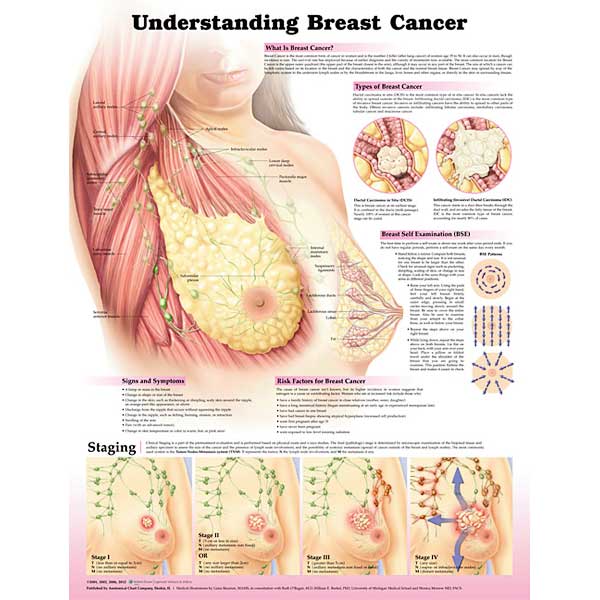
Breast cancer is cancer that forms in the cells of the breasts.After skin cancer, breast cancer is the most common cancer diagnosed in women in the United States.
Breast cancer can occur in both men and women, but it's far more common in womenhttps://www.egypttales.com/2021/10/health-breast-cancer.html