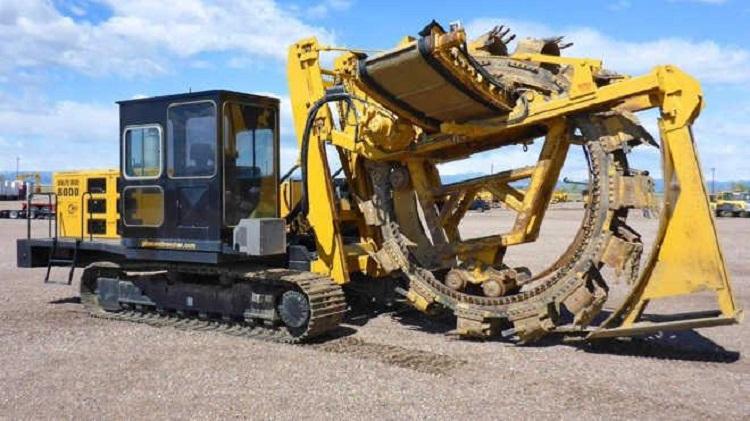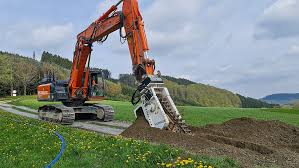
When it comes to trenching operations in the construction and utility sectors, choosing the right equipment can make all the difference. Two of the most widely used machines for trenching are the Chain Trencher and the Wheel Trencher. Both serve the same primary purpose — digging precise and uniform trenches — but they operate differently and are best suited for distinct site conditions. Understanding the strengths and limitations of each can help contractors select the right tool for their specific projects.

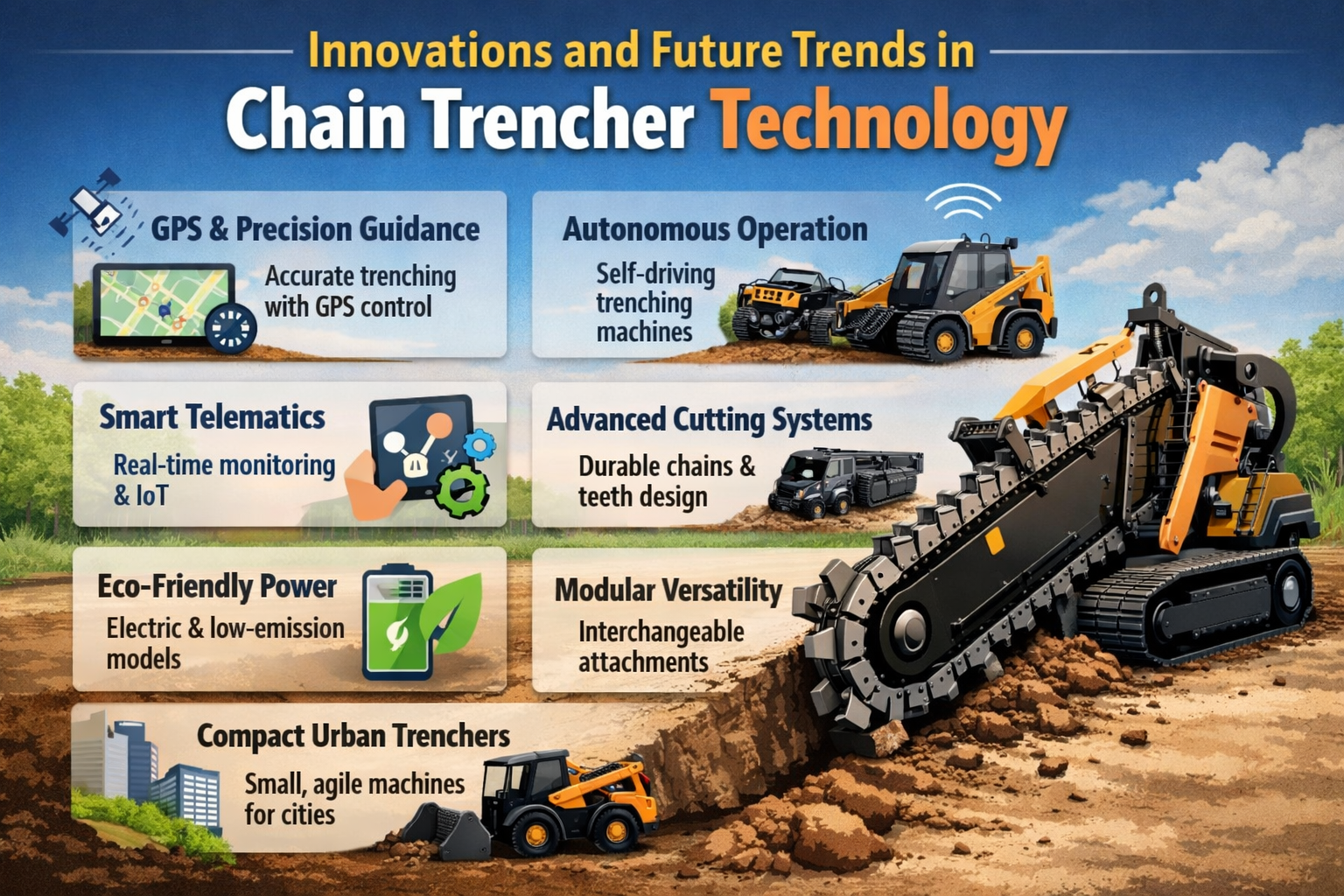
A Chain Trencher operates with a long, chainsaw-like digging mechanism equipped with teeth that cut through soil, rock, or asphalt. This design allows for deep and narrow trenches, making it ideal for laying pipes, cables, and drainage systems. The continuous chain motion ensures steady cutting, and the adjustable boom provides flexibility for varying trench depths. In contrast, a Wheel Trencher uses a large metal wheel with cutting teeth around its circumference. It’s better suited for projects requiring shallow to medium-depth trenches over longer distances.
One of the major advantages of a Chain Trencher is its precision. The ability to dig narrow and deep trenches reduces backfill volume and minimizes soil disturbance, which translates to time and cost savings. Additionally, the chain mechanism is effective in hard or compacted ground conditions where a Wheel Trencher might struggle. This makes the Chain Trencher a preferred choice for urban utility installations where precision and reduced site disruption are key factors.
However, a Wheel Trencher excels in speed and efficiency when working on softer ground and longer trench lines. Its large wheel can quickly cut through soil with less maintenance downtime, making it ideal for agricultural irrigation or road drainage applications. On the other hand, the Chain Trencher stands out in rocky terrains or confined spaces where control and accuracy are essential. The chain design provides a smoother and more stable trenching process, especially when dealing with uneven ground or mixed materials.
Another factor to consider is maintenance. A Chain Trencher typically requires more attention due to the moving chain components that experience wear and tear. Regular lubrication, inspection, and timely replacement of worn teeth are necessary to maintain optimal performance. Nevertheless, with proper care, the machine delivers consistent, high-quality results that justify the maintenance effort.
In terms of cost-effectiveness, choosing between a Chain Trencher and a Wheel Trencher depends on project type, soil condition, and trench dimensions. For short, deep, and precise trenching tasks, the Chain Trencher proves more efficient and economical in the long run. For large-scale, shallow trenching across uniform terrain, the Wheel Trencher might be the faster option.
Ultimately, both machines have their place in the construction industry, but for contractors seeking depth, precision, and versatility, the Chain Trencher remains the superior choice. Its adaptability to various ground conditions and capacity to deliver clean, controlled trench cuts make it indispensable for modern infrastructure projects.
For durable and high-performance trenching equipment that meets professional standards, choose Monty Products.