Living with bipolar disorder can feel like navigating a constant rollercoaster of emotions. One day, you might feel energized and invincible, and the next, completely drained and hopeless. Understanding how to manage this condition effectively is essential not just for stability but for overall quality of life. In this guide, we’ll explore everything you need to know about bipolar disorder treatment and management how it works, what options exist, and how to create a plan that fits your lifestyle. Whether you’re newly diagnosed or have been managing symptoms for years, this guide aims to provide clarity and direction on Bipolar Disorder Treatment in NY and beyond.
Understanding Bipolar Disorder: What It Really Means
Bipolar disorder is a complex mental health condition marked by dramatic mood changes ranging from manic highs to depressive lows. It’s not just about being “moody” these shifts can significantly impact energy, sleep, relationships, and daily functioning. The two main types Bipolar I and Bipolar II differ in severity and symptom patterns, but both require ongoing care and attention.
Manic episodes often include increased energy, reduced need for sleep, impulsive decisions, and a heightened sense of confidence or euphoria. Depressive episodes, in contrast, can involve feelings of sadness, fatigue, hopelessness, and disinterest in daily activities. Recognizing these patterns early is crucial for effective management and preventing relapse.
Why Early Diagnosis Matters
Like most mental health conditions, bipolar disorder responds best to early intervention. The longer symptoms go untreated, the greater the risk of complications such as job loss, substance abuse, or strained relationships. Early diagnosis helps set a foundation for effective therapy, medication management, and lifestyle changes.
If you or someone you love suspects bipolar symptoms, seeking a professional evaluation is the first step. Psychiatrists and therapists trained in mood disorders can conduct comprehensive assessments that go beyond surface-level symptoms, ruling out other possible causes such as thyroid issues or trauma-related disorders.
The Cornerstones of Bipolar Disorder Treatment
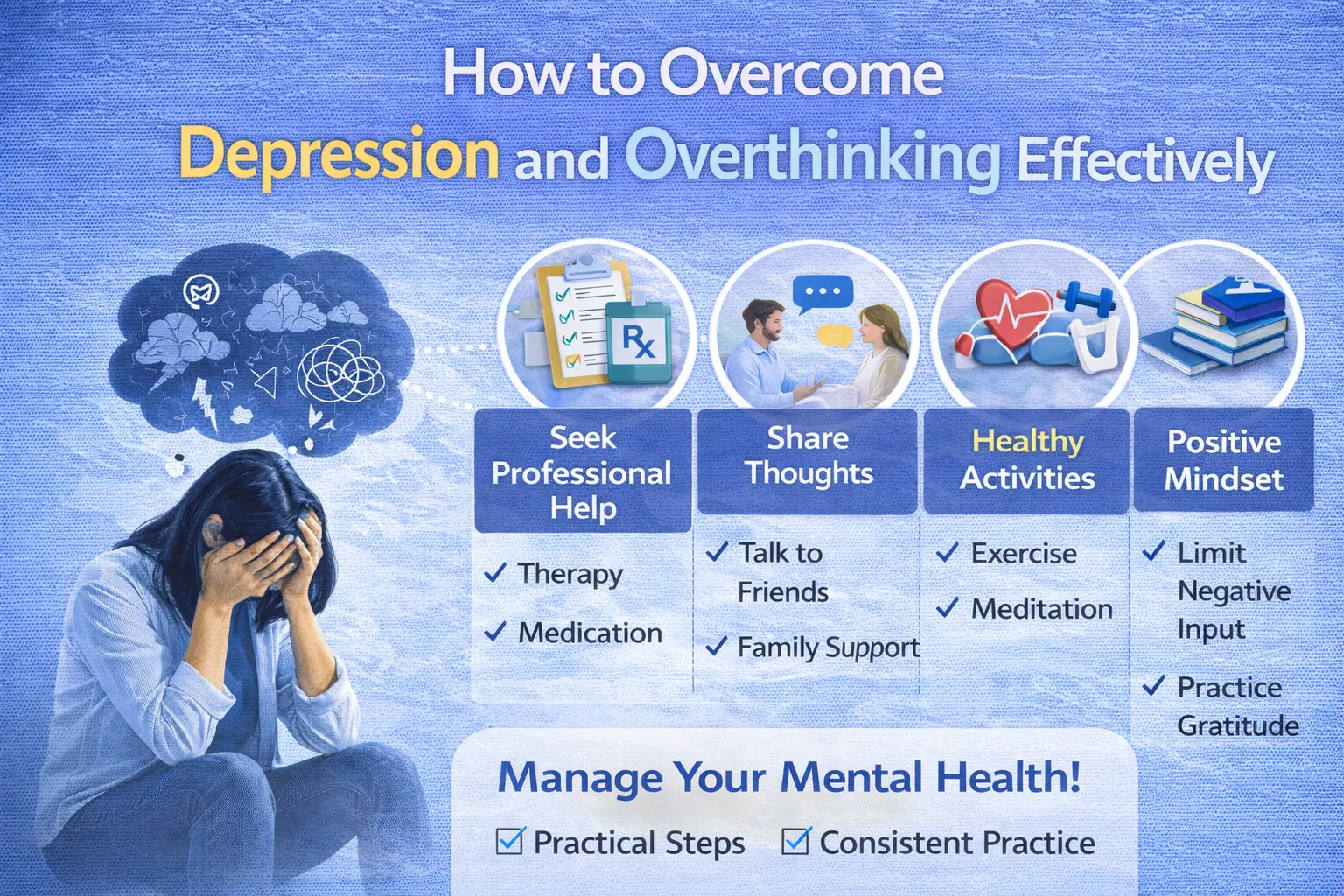
Effective treatment for bipolar disorder typically combines several approaches. Medication, therapy, and lifestyle adjustments all play an essential role. Each person’s plan may look different, but the key is consistency and open communication with healthcare providers.
1. Medication Management
Medication forms the backbone of most bipolar treatment plans. Common options include mood stabilizers like lithium, anticonvulsants, and atypical antipsychotics. These medications help regulate mood swings and prevent episodes from spiraling out of control.
It’s important to note that finding the right medication or dosage may take time. Regular follow-ups and honest communication about side effects can make a significant difference in long-term success.
2. Psychotherapy and Counselling
Therapy helps individuals understand triggers, manage stress, and develop coping skills. Cognitive Behavioral Therapy (CBT) is especially effective for identifying unhelpful thought patterns and replacing them with healthier ones.
Family therapy and psychoeducation can also be valuable, allowing loved ones to learn how to offer support without enabling unhealthy behaviors.
3. Lifestyle and Routine
Consistency is critical when managing bipolar disorder. Establishing a regular sleep schedule, maintaining balanced nutrition, and incorporating daily exercise can all help stabilize mood. Avoiding alcohol and drugs is equally essential, as these substances can interfere with medication and intensify symptoms.
Building a Personalized Management Plan
Every person’s experience with bipolar disorder is unique, which means management should be individualized. Some may respond well to therapy and medication alone, while others might benefit from mindfulness practices, journaling, or group support.
Setting small, achievable goals helps maintain momentum. For example, establishing a daily routine, tracking mood changes in a journal, or scheduling regular check-ins with your psychiatrist can promote long-term stability.
The Role of Support Systems
No one should have to face bipolar disorder alone. A reliable support system—whether family, friends, or peer groups—can make a world of difference. Loved ones can help identify early signs of mood changes, provide emotional encouragement, and assist with accountability when following a treatment plan.
Connecting with others who understand your experience also helps reduce feelings of isolation. Local support groups and online communities offer a safe space to share experiences, exchange tips, and celebrate progress. Understanding Bipolar Disorder If you’re seeking deeper insights into the condition itself, from its neurological foundations to its emotional impact, resources that focus on Understanding Bipolar Disorder can offer valuable perspective. Knowledge empowers you to make informed decisions about your care, communicate better with healthcare providers, and recognize when adjustments are needed in your treatment plan.
Managing Bipolar Disorder in Daily Life
Living with bipolar disorder doesn’t mean you can’t lead a fulfilling and stable life. With proper treatment and self-awareness, many people thrive both personally and professionally. Here are a few practical strategies for everyday management:
Prioritize Sleep
Sleep disruption can trigger manic or depressive episodes. Maintaining a consistent bedtime and wake-up time supports emotional balance.
Monitor Triggers
Recognizing early warning signs—like irritability, overspending, or changes in sleep patterns—can help prevent full-blown episodes.
Practice Stress Management
Techniques such as deep breathing, meditation, yoga, or mindful walks can calm the nervous system and improve focus.
Stay Connected
Isolation can worsen symptoms, so staying socially active and maintaining communication with trusted people is essential.
Follow Treatment Plans Strictly
Skipping medication or therapy sessions can lead to relapse. Always discuss any concerns with your doctor before making changes.
When to Seek Professional Help
Even with consistent management, there may be times when symptoms become overwhelming. Seek immediate professional help if you notice severe depression, thoughts of self-harm, uncontrollable mania, or drastic behavioural changes. Emergency support and crisis lines are available 24/7 for those in distress.
If you’re living in New York and searching for specialized support, mental health professionals in the area offer comprehensive evaluation and care designed for long-term stability. Many clinics and telehealth services now provide flexible access to therapists and psychiatrists, making treatment more accessible than ever.
The Future of Bipolar Disorder Care
Advancements in research are paving the way for better, more individualized treatments. Genetic testing, digital mood-tracking apps, and AI-assisted therapy models are helping doctors personalize treatment plans with greater accuracy. The goal is not just to manage symptoms but to help individuals achieve lasting wellness and improved quality of life.
Finding the Right Support in New York
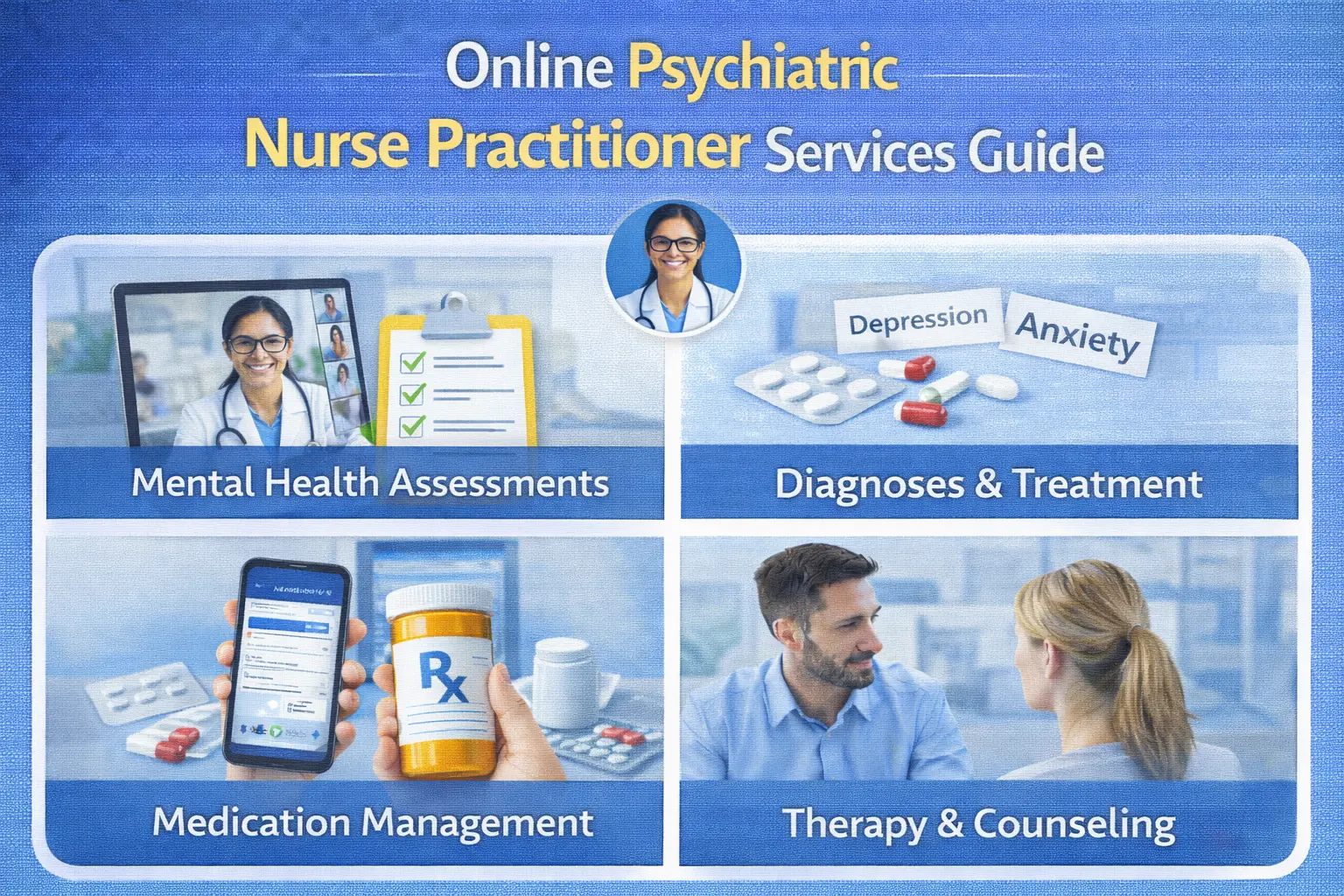
If you’re looking for a trusted partner in your mental health journey, Serenity Telehealth offers professional care with compassion and flexibility. As an Online Mental Health Provider in New York, they provide accessible psychiatric evaluations, medication management, and therapy all from the comfort of your home. Their team understands the nuances of bipolar disorder and tailors care to your unique needs.
Final Thoughts
Managing bipolar disorder takes patience, commitment, and the right support. Through a balanced approach that combines medication, therapy, lifestyle adjustments, and strong relationships, you can regain control and live a more stable, fulfilling life. Remember seeking help is not a sign of weakness but an important step toward wellness.
If you or someone you love is navigating bipolar disorder, take the first step today. Reach out to a qualified mental health professional who can guide you toward effective treatment options. Recovery is not about perfection t’s about progress, one step at a time.