Bipolar disorder affects millions of people across the United States, influencing mood, behaviour, and energy levels in ways that can be both unpredictable and challenging. Fortunately, New York has become a leading canter for mental health research, offering a wealth of educational opportunities for anyone seeking to understand this complex condition. Whether you’re newly diagnosed, supporting a loved one, or simply eager to expand your knowledge, there are countless ways to explore this topic in the state. In this guide, we’ll look at where and how to learn about Bipolar Disorder Treatment in NY, from professional resources and academic institutions to online platforms and community programs.
Understanding Bipolar Disorder: The Basics
Before diving into where to learn about treatment, it’s helpful to understand what bipolar disorder entails. This mental health condition is characterized by extreme mood swings that include emotional highs (mania or hypomania) and lows (depression). These fluctuations can affect sleep, energy, judgment, and overall daily functioning.
There are different types of bipolar disorder Bipolar I, Bipolar II, and Cyclothymic Disorder each with varying patterns of mood episodes and severity. Because of its complexity, effective treatment often requires a combination of medication, psychotherapy, and lifestyle adjustments.
Why Education Matters in Bipolar Disorder Treatment
Education is one of the most powerful tools for managing bipolar disorder. Understanding how the condition works helps individuals recognize triggers, anticipate episodes, and stay consistent with treatment plans. In New York, several organizations and medical centres have dedicated themselves to providing reliable, evidence-based information.
Learning about bipolar disorder also helps reduce stigma. When families, friends, and communities understand that it’s a medical condition not a character flaw they can offer more effective support and compassion.
Academic and Research Institutions in New York
New York is home to world-class universities and psychiatric research facilities that study bipolar disorder extensively. These institutions not only offer treatment but also provide educational programs, public resources, and community workshops.
1. Columbia University Department of Psychiatry
Located at the New York State Psychiatric Institute, Columbia University’s psychiatry department conducts groundbreaking research on mood disorders. They offer educational resources for patients and families, including webinars, fact sheets, and community lectures that cover diagnosis, treatment options, and the latest clinical findings.
2. NYU Langone Health’s Mood Disorders Program
NYU Langone Health offers a comprehensive mood disorders program focused on education, treatment, and research. Their workshops and online materials explain how different therapies—like cognitive behavioral therapy (CBT) and interpersonal and social rhythm therapy (IPSRT)—help regulate mood and reduce relapse risks.
3. Mount Sinai’s Depression and Bipolar Support Alliance
Mount Sinai collaborates with mental health organizations to host support groups and educational sessions. Their programs provide insights into both the science of bipolar disorder and the practical aspects of living with it.
Public Health Organizations and Non-profits
In addition to hospitals and universities, New York is rich in non-profit organizations that provide accessible information about bipolar disorder and mental wellness.
The National Alliance on Mental Illness (NAMI) New York State
NAMI offers free classes and resources for individuals living with bipolar disorder and their loved ones. Their programs, like “Family-to-Family” and “Peer-to-Peer,” provide education on symptoms, treatments, and coping strategies. Local chapters across New York City and upstate communities make it easy to connect with experts and peers.
Mental Health Association in New York State (MHANYS)
MHANYS promotes mental health education throughout the state. They host webinars and distribute learning materials about mental illnesses, including bipolar disorder, emphasizing early detection and ongoing management.
New York State Office of Mental Health (OMH)
The OMH website offers a wealth of educational resources, including guides to understanding bipolar disorder, state-funded treatment programs, and links to community-based support networks. This is one of the best places to start for anyone looking to understand mental health care options in New York.
Online Educational Platforms and Resources
In today’s digital world, online platforms provide accessible and trustworthy ways to learn about bipolar disorder. Many of New York’s medical centers and mental health organizations now offer virtual learning opportunities for the public.
Online Workshops and Webinars
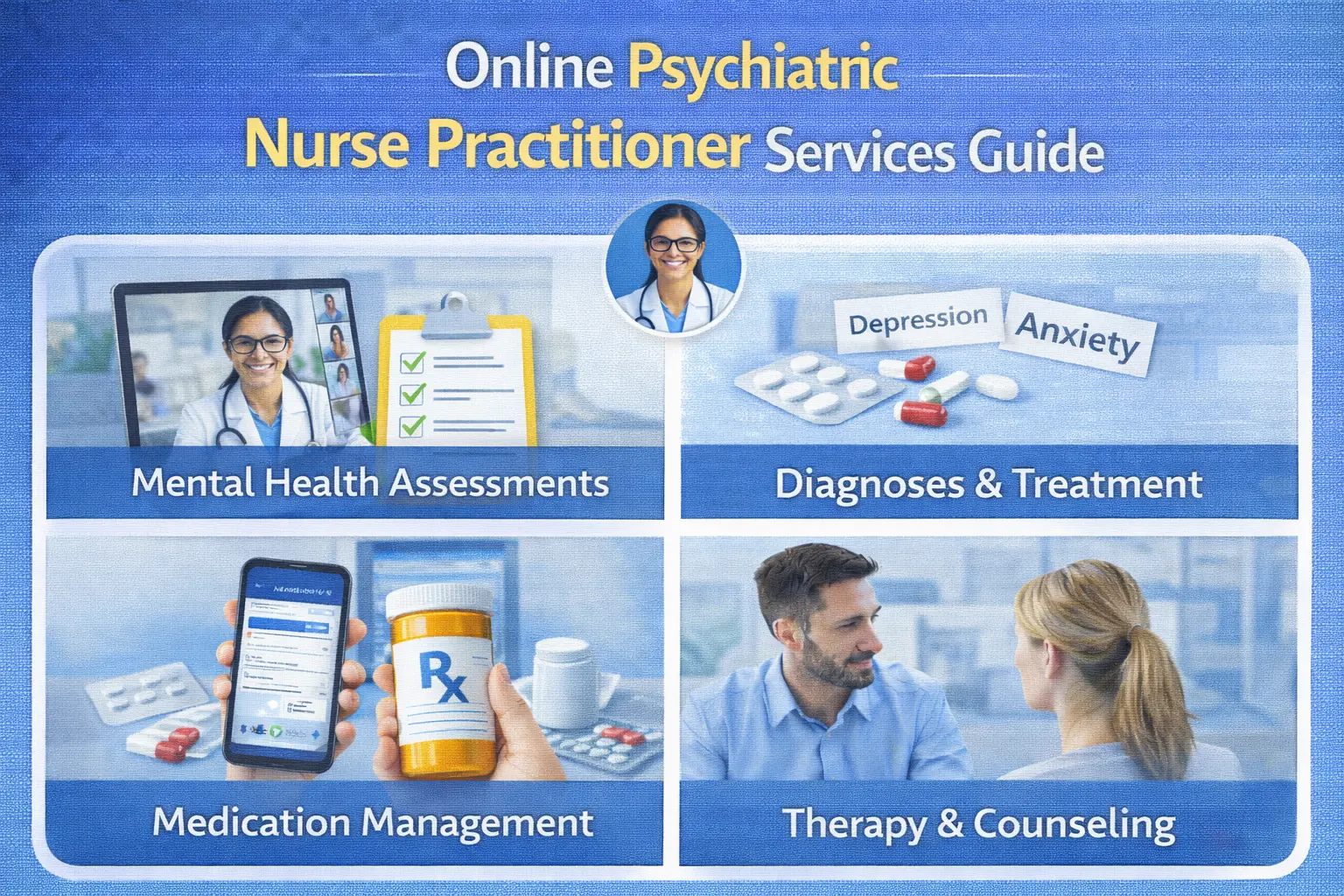
Several New York institutions regularly host live webinars and recorded lectures featuring psychiatrists, nurse practitioners, and researchers discussing treatment innovations. These sessions cover topics ranging from medication management to lifestyle-based therapies.
Digital Support Communities
Online support groups and learning communities allow individuals to share experiences, ask questions, and receive insights from others living with bipolar disorder. Many groups are moderated by mental health professionals who ensure discussions remain supportive and informative.
Understanding the Core of Bipolar Disorder Treatment
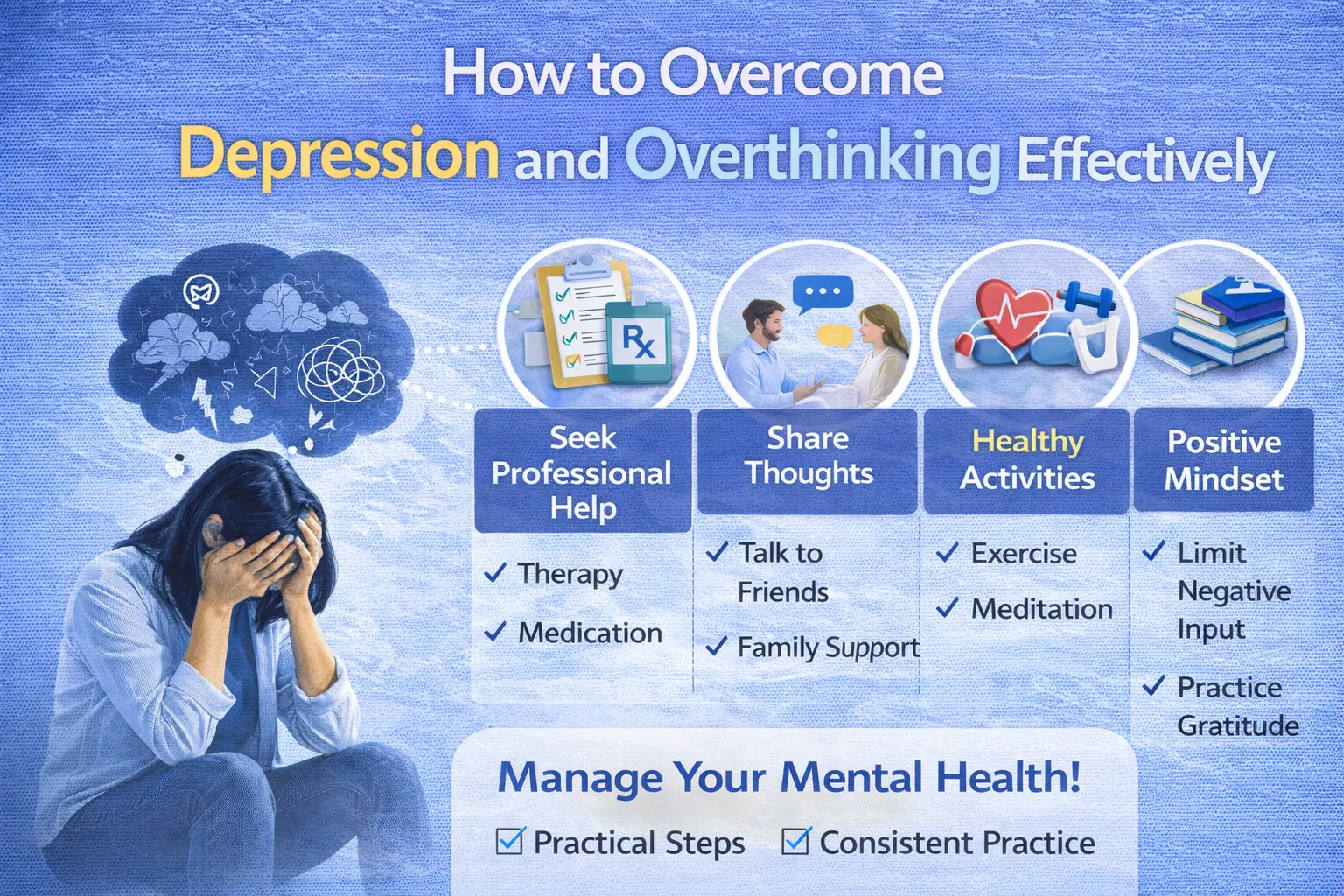
Learning about treatment approaches is central to understanding bipolar disorder. Treatment typically involves a combination of medication, psychotherapy, and self-management strategies.
Medication Management
Medications are often the foundation of bipolar disorder treatment. Mood stabilizers such as lithium, anticonvulsants, and atypical antipsychotics help regulate mood and prevent relapse. Recent research in New York emphasizes personalized care, where genetic testing and digital monitoring tools help determine the most effective medication regimen for each individual.
Psychotherapy and Counseling
Therapies such as CBT, family-focused therapy, and psychoeducation have proven effective in managing bipolar symptoms. They help individuals recognize thought patterns, improve relationships, and develop healthier coping mechanisms.
Lifestyle and Supportive Care
Maintaining a regular sleep schedule, reducing stress, and fostering supportive social connections can significantly enhance treatment success. Learning to recognize early signs of mood changes allows for timely intervention and improved stability.
Integrating Education with Personal Experience
Education doesn’t stop at understanding the disorder—it also involves developing self-awareness and emotional resilience. By combining professional guidance with personal insight, individuals can become active participants in their recovery.
Peer-led education programs in New York, such as those offered by NAMI and MHANYS, encourage individuals to share their journeys and strategies for staying well. These community-based learning experiences are invaluable for building empowerment and confidence.
The Link Between Anxiety and Bipolar Disorder
Anxiety often coexists with bipolar disorder, complicating both diagnosis and treatment. Understanding this overlap is essential for comprehensive care. While bipolar disorder focuses on mood regulation, anxiety can amplify stress and trigger mood episodes.
That’s why many providers in New York emphasize integrated care that addresses both conditions simultaneously. This is also why discussions around Medication for Anxiety often come up in bipolar treatment programs ensuring that all aspects of emotional health are managed effectively.
The Role of Telehealth in Learning and Treatment
One of the most significant advancements in mental health education and care is telehealth. Through virtual appointments and online learning platforms, patients in New York can access expert knowledge from home. Many providers now offer virtual consultations that include educational components helping patients understand their condition, medications, and lifestyle adjustments.
Telehealth also enables continuity of care, which is crucial for managing bipolar disorder over time. Patients can attend therapy sessions, track progress, and adjust medications without geographic or scheduling barriers.
Community Programs and Workshops
Many New York communities host workshops on mental wellness, often through libraries, schools, and local health centres. These programs bring together professionals, advocates, and individuals with lived experience to share practical information about bipolar disorder management.
Such workshops often focus on daily coping skills, crisis planning, and family support topics that empower people to navigate the challenges of bipolar disorder with confidence.
Final Thoughts
New York remains one of the most dynamic places to learn about and manage bipolar disorder. From renowned universities and hospitals to grassroots organizations and online learning opportunities, the state offers a wealth of reliable resources for education and support.
Whether you’re exploring treatment options, seeking community support, or simply want to deepen your understanding, access to trusted information is the key to managing this condition successfully.
For anyone seeking expert guidance, Serenity Telehealth provides professional, research-informed care that integrates education with treatment. Connecting with an Online Mental Health Provider in New York ensures that you can access credible information, compassionate support, and personalized care all from the comfort of your home.